



things cats hate Key Takeaways
If your cat hides, swats, or suddenly stops eating, it might be reacting to things cats hate that owners often ignore.
- Many things cats hate are easy to fix once you know what to look for: loud appliances, dirty litter, or even the scent of a new candle.
- Cat behavior issues owners ignore — like sudden aggression or hiding — are often cries for help rather than "bad attitude."
- Understanding common cat dislikes helps you create a calmer home and avoid costly vet visits caused by chronic stress.
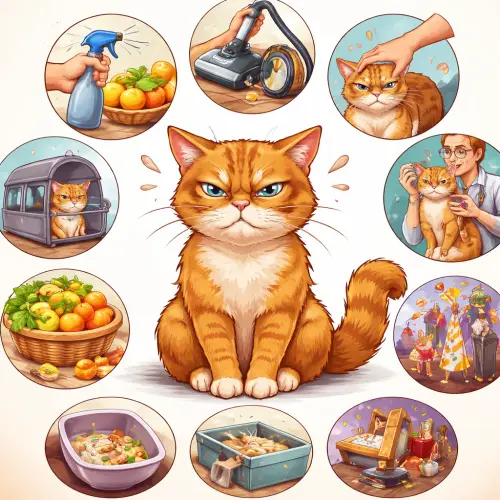
Why Recognizing Things Cats Hate Matters for Their Well-Being
Cats evolved as both predator and prey, which makes them hyperaware of their environment. Unlike dogs, they rarely show discomfort directly — they sulk, hide, or stop using the litter box. When owners ignore these subtle signals, stress builds up, leading to health problems like urinary tract infections, fur pulling, or aggression. The good news? Most things cats hate are simple to address once you know what to look for. For a related guide, see 10 Things Cats Hate That Owners Do – Avoid These Common.
Below, we break down 12 common cat behavior issues owners ignore and explain exactly what to do about each one.
1. Loud, Sudden Noises
Cats have hearing that’s far more sensitive than humans. A vacuum cleaner, blender, or slamming door can sound like a thunderclap to them. Over time, repeated exposure to loud noises causes chronic anxiety, which owners often mistake for “grumpiness.”
Actionable tip: Create a quiet room with a cozy bed and toys where your cat can retreat when you vacuum or host guests. Never chase a scared cat — let them come out on their own.
2. A Dirty Litter Box
One of the most overlooked things cats hate is a soiled litter box. Cats are fastidious groomers, and they expect the same cleanliness from their toilet area. If the box smells bad or is only scooped weekly, your cat may start eliminating on rugs or in corners.
Actionable tip: Scoop at least once daily and do a full litter change every week. Use unscented, clumping litter — perfumed litter can also be a turn-off.
3. Being Ignored or Overlooked
Despite their independent reputation, cats crave social interaction — on their terms. When owners work long hours or scroll through phones instead of engaging, cats can feel neglected. This is one of many cat behavior issues owners ignore until the cat starts knocking things off shelves or biting ankles for attention.
Actionable tip: Schedule 10–15 minutes of focused playtime daily using wand toys or laser pointers. Follow playtime with a small treat to reinforce the positive bonding.
4. Strong Smells (Especially Citrus and Essential Oils)
Cats have a sense of smell roughly 14 times stronger than humans. Many common cat dislikes revolve around overwhelming fragrances — citrus cleaners, lavender diffusers, and cinnamon candles can be genuinely irritating to their sensitive noses.
Actionable tip: Avoid using essential oil diffusers in rooms where your cat spends time. If you must use a scented cleaner, ventilate the room thoroughly before letting your cat back in.
5. Stale or Warm Water
In the wild, cats prefer moving, cool water sources because standing water can harbor bacteria. Many pet owners don’t realize that warm water in a plastic bowl can pick up a plasticky taste that cats dislike, leading to dehydration.
Actionable tip: Use a stainless steel or ceramic bowl, change the water twice a day, and consider a cat water fountain to keep water fresh and aerated.
6. Forced Handling or Restraint
Some owners insist on holding their cat like a baby, carrying it around, or hugging it tightly. While a few cats tolerate this, most find it deeply uncomfortable. This is one of the key things cats hate because it removes their ability to flee.
Actionable tip: Let your cat initiate cuddles. If they squirm or flick their tail, put them down immediately. Reward calm lap sitting with gentle chin scratches, not full-body restraint.
7. Lack of Vertical Space
Cats are semi-arboreal animals — they feel safest when they can climb up high. A home without cat trees, shelves, or window perches can make them feel trapped, leading to anxiety and territorial disputes.
Actionable tip: Install at least one tall cat tree or wall shelves that allow your cat to survey the room from above. Place perches near windows for outdoor views.
8. Other Cats (Especially Unfamiliar Ones)
Many owners assume cats are naturally social because they lived in feral colonies. In reality, most domestic cats prefer being the only cat in the house — or need slow, structured introductions. Forcing two cats together without proper integration is a major source of cat behavior issues owners ignore.
Actionable tip: When introducing a new cat, keep them in separate rooms for at least a week. Exchange bedding to let them get used to each other’s scent before face-to-face meetings.
9. Rough Petting or Belly Rubs
A cat rolling over and showing its belly is a sign of trust, not an invitation for a belly rub. In the wild, the belly is the most vulnerable area, and touching it can trigger a defensive bite or scratch. This is one of the most misunderstood common cat dislikes.
Actionable tip: Stick to petting areas cats typically enjoy: the base of the ears, under the chin, and along the cheeks. Stop petting if the tail starts twitching or ears flatten.
10. Mirror Reflections
Cats do not recognize themselves in mirrors. Instead, they see another cat staring at them, which can be confusing or frightening. Some cats hiss, puff up, or obsessively paw at mirrors — a behavior owners often dismiss as silly.
Actionable tip: Cover mirrors at floor level if your cat shows signs of distress. If the behavior persists, redirect your cat to a window bird-watching spot instead.
11. Being Woken Up Suddenly
Cats sleep around 12–16 hours a day, and they value uninterrupted rest just like humans do. If you frequently wake your cat for cuddles, photos, or to move them, they can become grumpy and avoid you.
Actionable tip: Create a dedicated sleeping spot — a quiet corner with a soft bed — where your cat won’t be disturbed. Resist the urge to pet them while they’re in deep sleep.
12. Changes in Routine
Cats are creatures of habit. A new work schedule, a moved litter box, or even rearranged furniture can stress them out. Many owners ignore the impact of routine changes, assuming their cat will “get over it.” But these disruptions are genuine things cats hate because they threaten the cat’s sense of security.
Actionable tip: When big changes are unavoidable (like a move or new baby), introduce them gradually. Keep feeding times and play sessions consistent. Use pheromone diffusers like Feliway to help your cat adjust.
Final Thoughts: Small Changes, Huge Impact on Your Cat’s Happiness
Understanding things cats hate isn’t about being a perfect owner — it’s about building a deeper relationship with your cat. Most of the triggers we covered are easy to fix once you see the world through your cat’s eyes. By minimizing loud noises, maintaining clean litter, offering respectful handling, and keeping routines consistent, you can prevent many common cat behavior issues owners ignore. Your cat will thank you with purrs, slow blinks, and a lifetime of trust. For a related guide, see 12 Common Cat Behavior Problems and Expert Fixes to Try.
Useful Resources
For more expert guidance on feline behavior, visit the ASPCA’s guide to common cat behavior issues and the International Cat Care advice on cat behaviour.
Frequently Asked Questions About things cats hate
Why do cats hate belly rubs?
The belly is a cat’s most vulnerable area. Showing it indicates trust, but touching it triggers a defensive reflex. Most cats prefer chin and cheek scratches instead.
Do cats hate being held?
Many cats dislike being restrained or lifted off the ground. Some tolerate brief holding if they feel secure, but forced cuddling is one of the top things cats hate.
Can cats hate each other?
Yes, especially if they are not properly introduced. Territorial disputes over resources like food bowls or litter boxes are common cat behavior issues owners ignore.
What smells do cats hate the most?
Citrus, lavender, eucalyptus, and cinnamon are among the strongest common cat dislikes. These scents can irritate a cat’s sensitive nose and cause stress.
Why does my cat hate the vacuum cleaner?
The combination of loud noise and sudden movement triggers a flight response. It’s one of the most universal things cats hate because it mimics a predator’s approach.
Do cats hate water?
Most domestic cats dislike being submerged because their fur becomes heavy and uncomfortable. However, some breeds (like Turkish Vans) enjoy water.
Why does my cat hate being brushed?
If the brush is too hard or pulls at tangles, it hurts. Introduce brushing slowly with a soft brush and reward with treats.
Do cats hate closed doors?
Yes, because cats need to patrol their territory. A closed door blocks access and creates frustration, especially if the cat can hear sounds on the other side.
Why does my cat hate the car?
Motion sickness and unfamiliar noises make car rides stressful. Most cats associate the carrier with vet visits, which compounds their anxiety.
Do cats hate being stared at?
Direct, unblinking eye contact is a sign of aggression in feline language. Slow blinking, on the other hand, signals trust and affection.
Why does my cat hate the litter box suddenly?
Common causes: it’s dirty, the litter brand changed, the box is in a noisy location, or your cat has a urinary tract infection. Rule out medical issues first.
Do cats hate other animals?
Not always, but sudden introductions can cause fear. Dogs that bark or chase, or even a new cat, are common triggers for cat behavior issues owners ignore.
Why does my cat hate being picked up?
Picking up removes a cat’s control over their environment. If they weren’t socialized to handling as kittens, it can feel threatening.
Do cats hate loud music?
Yes. Loud music, especially with bass, can be physically uncomfortable for cats. Keep volumes low when they are in the room.
What household items do cats hate?
Aluminum foil, double-sided tape, and sticky mats are commonly disliked because of their texture and sound. They’re often used to keep cats off counters.
Why does my cat hate being kissed?
Kissing involves close facial proximity and often a smacking sound, both of which can be startling. Many cats interpret it as a threat.
Do cats hate cold weather?
Most cats prefer warm environments. Drafty homes or cold floors can make them seek radiators or laps for warmth.
Why does my cat hate the ceiling fan?
The moving blades create flickering shadows and an odd whooshing sound that can frighten cats, especially if they haven’t seen one before.
Do cats hate change in general?
Yes, routine changes — new furniture, different feeding times, or even a new brand of treats — are significant things cats hate because they disrupt a cat’s sense of predictability.
Why does my cat hate the vet?
Vet visits combine car rides, strange smells, and handling by strangers. Use a pheromone spray on the carrier and ask your vet about fear-free handling techniques.