



behavior changes in older pets Key Takeaways
Each item below covers a common behavioral shift, the potential health concern behind it, and professional guidance on next steps.
- Behavior changes in older pets like increased hiding or sudden aggression often indicate pain, cognitive decline, or underlying disease rather than normal aging.
- Changes in appetite, thirst, and litter box habits are among the earliest and most reliable signs of illness in aging dogs and cats .
- Partnering with your veterinarian when you notice new behaviors — even subtle ones — leads to better outcomes and more comfortable senior years for your pet.
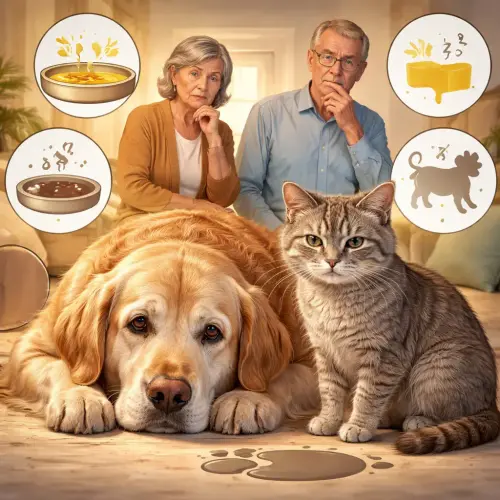
Why Monitoring Senior Pet Behaviors Matters
Our pets can’t tell us when something feels off, so they show us through actions. As animals enter their senior years — typically around age 7 for most dogs and cats — their bodies and brains undergo changes that can mimic disease. Being attuned to behavior changes in older pets helps you become their best advocate. Early detection of health issues in senior pets often means more treatment options and a better prognosis. This guide walks you through 14 specific changes worth noting and explains what each might mean for your pet’s well-being. For a related guide, see 10 Warning Signs of Dental Disease in Pets Every Owner Must Know.
14 Critical Behavior Changes and What They May Indicate
Each item below covers a common behavioral shift, the potential health concern behind it, and professional guidance on next steps. Remember, context matters — a single change may have multiple causes, so always consult your veterinarian for a full assessment.
1. Increased Sleeping or Lethargy
Senior pets sleep more — that’s normal. But if your once-energetic dog no longer greets you at the door or your cat refuses to move from her bed, something deeper may be happening. Excessive lethargy can signal health issues in senior pets such as arthritis, hypothyroidism, heart disease, or anemia. Track how many hours your pet sleeps and whether they seem difficult to wake. If lethargy persists for more than 24 hours alongside other symptoms, call your vet.
2. Sudden Changes in Appetite
A pet who suddenly stops eating or begins eating ravenously deserves attention. Signs of illness in aging dogs and cats often appear first at the food bowl. Loss of appetite may point to dental pain, kidney disease, or gastrointestinal upset. An increased appetite, especially if accompanied by weight loss, could indicate diabetes or hyperthyroidism in cats. Never force-feed a pet who refuses food; instead, note the duration and contact your veterinarian.
3. Increased Thirst and Urination
If you find yourself refilling the water bowl more often or your pet is asking to go outside frequently, take note. Polydipsia (excessive drinking) and polyuria (excessive urination) are classic signs of illness in aging dogs and cats. They often accompany kidney disease, diabetes mellitus, or Cushing’s disease. In older cats, increased thirst can also signal hyperthyroidism. A simple blood and urine test can help your vet pinpoint the cause.
4. Accidents in the House or Outside the Litter Box
A previously house-trained dog who starts having accidents or a cat who stops using the litter box is not being spiteful. This is a common behavior change in older pets and often relates to medical issues. Arthritis may make it painful to squat or climb into a box. Cognitive dysfunction can cause forgetfulness. Urinary tract infections, bladder stones, or kidney disease are also possible. Evaluate your pet’s environment — can they easily access their potty area? — and consult your vet.
5. Hiding or Withdrawing from Social Interaction
Dogs and cats who suddenly avoid family members, hide under furniture, or refuse to be petted may be experiencing pain or fear. This is particularly common in cats, who instinctively hide when unwell. In dogs, withdrawal can accompany arthritis, dental pain, or vision loss. This behavior change in older pets should never be ignored, as it often indicates discomfort or anxiety requiring veterinary attention.
6. Increased Vocalization — Whining, Howling, or Yowling
Excessive vocalization in senior pets can be unsettling. Dogs may whine or bark more at night, while cats often yowl — especially older cats with cognitive decline or hypertension. Pain, hearing loss, and separation anxiety are other possible causes. In some cases, increased vocalization is a sign of illness in aging dogs and cats related to sensory loss; they may be calling out because they feel lost or confused. Have your vet check blood pressure and neurologic function.
7. Stiffness, Limping, or Difficulty Rising
One of the most visible health issues in senior pets is arthritis. If your dog hesitates before climbing stairs, or your cat jumps less frequently, joint pain may be the culprit. Stiffness that worsens after rest or in cold weather is classic for osteoarthritis. Your vet can recommend pain management options, including joint supplements, anti-inflammatories, acupuncture, or physical therapy. Keeping your pet at a healthy weight reduces strain on aching joints.
8. Repetitive Behaviors or Pacing
Pacing, circling, or staring at walls are not normal parts of aging. These repetitive actions can indicate cognitive dysfunction syndrome (similar to dementia in humans), neurological issues, or pain. In dogs, pacing may also signal anxiety or gastrointestinal discomfort. If you observe this behavior change in older pets, record when it happens and what seems to trigger it. A veterinary behaviorist or neurologist can offer specialized guidance.
9. Aggression or Irritability
A sweet dog who growls when touched or a cat who hisses when approached may be in pain. This is a classic example of ‘pain-induced aggression’ and a common sign of illness in aging dogs and cats. Arthritis, dental abscesses, ear infections, or vision loss can make pets feel vulnerable and defensive. Never punish aggressive behavior without first ruling out medical causes. A veterinarian can help identify the source of discomfort and create a management plan.
10. Confusion, Disorientation, or Getting Stuck in Corners
If your pet seems lost in familiar rooms, walks into furniture, or forgets their routine, cognitive dysfunction may be setting in. This behavior change in older pets affects many senior dogs and, to a lesser extent, cats. Disorientation often worsens at night. While there is no cure, environmental enrichment, consistent routines, and certain medications or supplements can help manage symptoms. Talk to your vet about a cognitive health screening.
11. Changes in Sleep-Wake Cycles
Restlessness at night combined with excessive sleeping during the day is common in aging pets. This disrupted cycle is linked to cognitive decline, but also to pain, urinary issues, or sensory loss. Health issues in senior pets like incontinence can cause a pet to wake frequently. Keeping a log of sleep patterns helps your vet differentiate between normal aging and a problem requiring intervention. Consider adding night lights to help disoriented pets navigate after dark.
12. Excessive Grooming or Lack of Grooming
Cats are fastidious groomers, so a matted or greasy coat is a red flag. A cat who stops grooming may have arthritis, dental pain, or obesity that makes reaching certain spots difficult. Conversely, excessive licking of a specific area can indicate localized pain, allergies, or even nerve damage. In dogs, obsessive licking of paws is often linked to allergies or anxiety. These signs of illness in aging dogs and cats merit a veterinary skin and joint evaluation.
13. Weight Loss or Weight Gain Despite Normal Eating
Unexplained weight changes are significant health issues in senior pets. Weight loss despite a good appetite is typical of hyperthyroidism in cats and diabetes in both species. Weight gain, especially when accompanied by lethargy, may point to hypothyroidism in dogs or Cushing’s disease. Even without appetite changes, metabolic shifts occur as pets age. Regular weigh-ins at home and an annual senior wellness panel can catch these trends early. For a related guide, see 8 Warning Signs of Infection in Pets Every Owner Must Know.
14. Changes in Interaction with the Environment
Senior pets may become less interested in toys, walks, or outdoor exploration. This can be a subtle behavior change in older pets related to vision loss, hearing loss, or chronic pain. A dog who used to love fetch but now walks away may have painful joints. A cat who stops watching birds at the window may have failing eyesight. Assess your pet’s sensory health — your vet can test vision and hearing and recommend adjustments to keep them engaged and safe.
When to Seek Professional Help for Your Senior Pet
As a general rule, if a behavior change in older pets lasts longer than 48–72 hours or is accompanied by other worrying signs — vomiting, diarrhea, collapse, or difficulty breathing — contact your veterinarian promptly. Many health issues in senior pets are manageable when caught early. Schedule a senior wellness exam at least twice a year. These visits typically include blood work, urinalysis, blood pressure check, and a thorough physical exam. Keep a journal of any behavioral shifts to share with your vet; patterns often reveal the underlying problem. Your attentiveness is one of the most powerful tools for ensuring your pet’s golden years are comfortable and full of love.
Useful Resources
The American Veterinary Medical Association provides a helpful overview of senior pet care, including red flags for health issues in senior pets. Read more at AVMA Senior Pet Care.
Cornell University College of Veterinary Medicine offers a detailed guide on signs of illness in aging dogs and cats, with specific advice for feline health. Visit Cornell Feline Health Center for more information.
Frequently Asked Questions About behavior changes in older pets
At what age is a pet considered senior?
Most veterinarians classify small to medium dogs and cats as senior around age 7. Large and giant breed dogs reach senior status earlier, often at age 5 or 6. Regular wellness visits should begin at these milestones.
Is it normal for older pets to sleep more during the day?
Some increase in sleep is normal as metabolism slows, but excessive sleep — especially if your pet is hard to wake or seems depressed — warrants a vet check. It can signal pain, thyroid issues, or cognitive dysfunction.
Can dental problems cause behavior changes in older pets ?
Absolutely. Dental disease is very common in senior pets and can cause pain, drooling, reduced appetite, bad breath, and even aggression when touched near the mouth. Regular dental cleanings are important.
Why is my senior cat suddenly yowling at night?
Nighttime yowling in older cats often relates to cognitive dysfunction, hypertension, or sensory decline. It may also indicate hyperthyroidism. A veterinary exam including blood pressure measurement is recommended.
My older dog has started having accidents indoors. What should I do?
First, rule out medical causes like urinary tract infection, kidney disease, or diabetes. Arthritis can also make it hard for dogs to reach the door in time. A vet can run tests and suggest management strategies.
Can arthritis cause behavioral issues in senior pets?
Yes, chronic pain from arthritis often leads to irritability, decreased activity, aggression when touched, and reluctance to climb stairs or jump. Managing pain improves both mobility and mood.
What are the early signs of cognitive dysfunction in dogs?
Early signs include disorientation, forgetting house training, changes in sleep cycles, staring at walls, reduced interest in play, and altered interactions with family members. A veterinary behaviorist can help diagnose it.
Is sudden aggression in an older pet always pain-related?
Pain is a common cause, but not the only one. Vision or hearing loss can startle pets, leading to defensive aggression. Cognitive decline can also cause confusion that triggers aggression. A full medical workup is essential.
Should I be worried if my senior pet stops grooming?
Yes, especially in cats. Stopping grooming can indicate arthritis, dental pain, obesity, or systemic illness. A poor coat condition is a visible sign of illness in aging dogs and cats that should be evaluated.
How much water should a senior dog drink daily?
As a general rule, dogs should drink about 1 ounce of water per pound of body weight per day. Increased thirst or urination warrants testing for diabetes, kidney disease, or Cushing’s disease — common health issues in senior pets.
Can vision loss cause behavioral changes in older cats?
Yes, vision loss is common in aging cats, often due to hypertension or cataracts. Cats may become more cautious, startle easily, bump into furniture, or stop jumping. Their environment should be kept consistent to reduce stress.
My older pet has lost weight but eats normally. What could this mean?
Weight loss with a normal or increased appetite is a classic sign of illness in aging dogs and cats, most commonly hyperthyroidism in cats or diabetes. Your vet can run a simple blood panel to check.
How often should senior pets have a veterinary check-up?
Most experts recommend wellness exams every six months for senior pets. These visits allow for early detection of health issues in senior pets and adjustments to their care plan as they age.
Can hearing loss cause my dog to bark more?
Yes, dogs with hearing loss often bark more because they cannot hear themselves or their environment. They may also seem confused or anxious. A veterinary check can confirm hearing loss and help you adapt communication.
What should I do if my senior pet refuses to eat for 24 hours?
Contact your veterinarian immediately. Reduced appetite in senior pets can quickly lead to dehydration and other complications. It may indicate dental pain, gastrointestinal issues, or underlying disease requiring prompt care.
Why is my older cat suddenly drinking a lot of water?
Increased thirst in cats is often linked to kidney disease, diabetes, or hyperthyroidism. These are all common health issues in senior pets. Blood and urine tests can identify the cause and guide treatment.
Can environmental changes reduce stress for senior pets?
Absolutely. Providing ramps, non-slip flooring, low-sided litter boxes, night lights, and consistent routines can ease anxiety and help senior pets navigate their environment more comfortably.
Is it too late to start joint supplements for an old dog?
It’s never too late to start joint support, though results vary. Supplements containing glucosamine, chondroitin, and omega-3 fatty acids can help manage arthritis symptoms. Your vet can recommend the best product and dosage.
How do I know if my senior pet is in pain?
Signs of pain include limping, stiffness, reluctance to move, changes in posture, excessive panting, whining, aggression when touched, and changes in appetite or sleeping habits. If you suspect pain, see your vet.
What is the most common behavior change in older pets I should watch for?
Increased lethargy combined with reduced interest in favorite activities is one of the earliest and most universal changes. It can be subtle, so compare your pet’s current behavior to their baseline from a year ago. Any persistent shift deserves attention.