



emergency animal hospital care Key Takeaways
Knowing when your pet needs emergency animal hospital care can mean the difference between life and death.
- emergency animal hospital care is vital for conditions like poisoning, trauma, and breathing difficulties.
- Recognizing symptoms early—such as severe vomiting, sudden collapse, or bleeding—can save your pet’s life.
- Always have your veterinarian’s number and the nearest 24-hour animal hospital contact handy.
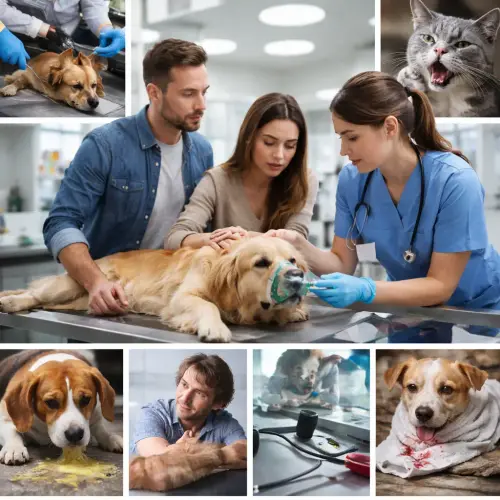
What Pet Owners Need to Know About Emergency Animal Hospital Care
Our pets can’t tell us when something is wrong, so it’s up to us to notice the warning signs. While minor issues can often wait for a regular vet appointment, some symptoms indicate a life-threatening emergency that requires immediate urgent pet emergencies intervention. Understanding these situations can help you remain calm and make the right call when every second counts. Below are the seven most common emergencies that warrant a trip to the nearest animal hospital without delay. For a related guide, see 8 Symptoms You Should Never Ignore: Expert Warning Signs.
1. Severe Trauma or Injury
Signs to Watch For
Obvious signs include being hit by a car, falling from a height, or being attacked by another animal. Less obvious symptoms include limping, swelling, reluctance to move, or whimpering when touched.
Why Immediate Care Is Critical
Internal injuries, fractures, and shock may not be visible externally. Prompt emergency animal hospital care can stabilize your pet and prevent complications like blood loss or organ damage. Even if your pet seems fine, internal injuries can worsen over time.
What to Do Until You Arrive
Keep your pet warm and still. Use a firm surface like a board or blanket as a stretcher, and avoid moving the neck or spine. Call the hospital ahead so they can prepare an emergency team.
2. Difficulty Breathing
Signs to Watch For
Labored breathing, coughing, gagging, blue or pale gums, open-mouth breathing (in cats), and exaggerated chest movements are all red flags.
Why Immediate Care Is Critical
Respiratory distress can quickly lead to oxygen deprivation, organ failure, and cardiac arrest. Causes include choking, asthma, pneumonia, heart failure, or a collapsed lung. Veterinarians can administer oxygen therapy and treat the underlying issue.
What to Do Until You Arrive
Keep your pet calm and restrict movement. Avoid placing anything near the mouth or nose. Drive safely and call the hospital so they can prepare a respiratory support unit.
3. Poisoning or Toxin Ingestion
Signs to Watch For
Vomiting, diarrhea, drooling, seizures, tremors, lethargy, disorientation, or collapse. Common toxins include chocolate, xylitol, grapes, raisins, antifreeze, human medications, and certain plants.
Why Immediate Care Is Critical
Many toxins are rapidly absorbed and can cause irreversible damage to the kidneys, liver, or nervous system. Quick urgent pet emergencies treatment—such as inducing vomiting (only if directed by a vet), administering activated charcoal, or providing IV fluids—can save your pet’s life.
What to Do Until You Arrive
Contact the ASPCA Animal Poison Control Center ((888) 426-4435) or a local emergency vet immediately. Do not induce vomiting unless instructed. Bring the substance’s packaging or a sample of the plant if possible.
4. Sudden Collapse or Unconsciousness
Signs to Watch For
Your pet falls over, cannot stand, is unresponsive, or appears disoriented and wobbly. Fainting, seizures, or stroke-like symptoms also qualify.
Why Immediate Care Is Critical
Collapse may signal a severe drop in blood pressure, internal bleeding, heart arrhythmia, or neurological emergency. Without rapid emergency animal hospital care, your pet could suffer brain damage or die.
What to Do Until You Arrive
Check for breathing and a heartbeat. If not present, begin CPR if trained. Place your pet on a flat surface, keep warm, and transport immediately. Call the hospital to alert them of the situation.
5. Severe Vomiting or Diarrhea
Signs to Watch For
Frequent vomiting (more than 2–3 times in a few hours), vomiting blood, diarrhea that is black or contains blood, signs of dehydration like sticky gums, sunken eyes, or loss of skin elasticity.
Why Immediate Care Is Critical
Severe gastrointestinal issues can quickly lead to dehydration, electrolyte imbalances, and shock. In some cases, persistent vomiting indicates a life-threatening intestinal blockage or pancreatitis. Veterinary fluids and anti-nausea medication can be life-saving.
What to Do Until You Arrive
Withhold food for 6–12 hours but provide small amounts of water or ice cubes. Do not offer any home remedies, especially human medications like ibuprofen or aspirin. Collect a sample of vomit or stool to show the vet.
6. Seizures or Convulsions
Signs to Watch For
A seizure lasting more than five minutes, clusters of seizures, or if your pet has a seizure for the first time. Other signs include paddling, uncontrolled shaking, foaming at the mouth, and loss of consciousness.
Why Immediate Care Is Critical
Prolonged seizures (status epilepticus) can cause permanent brain damage, overheating, and respiratory failure. In some cases, seizures indicate a brain tumor, poisoning, or metabolic disease. Emergency medication can stop the seizure and prevent recurrence.
What to Do Until You Arrive
Keep your pet away from stairs or sharp objects. Do not put your hand in their mouth—they cannot swallow their tongue. Time the seizure and call the vet. If the seizure stops but your pet remains confused or unsteady, seek care anyway.
7. Urinary Obstruction
Signs to Watch For
Straining to urinate with little or no output, frequent attempts, crying or whimpering when trying to pee, blood in the urine, vomiting, lethargy, or loss of appetite. This is most common in male cats but can occur in dogs and female cats too.
Why Immediate Care Is Critical
A blocked urethra prevents the bladder from emptying, causing toxic waste buildup in the bloodstream. Within 24–48 hours, this can lead to kidney failure, bladder rupture, and death. Catheters, flushing, and supportive care are essential.
What to Do Until You Arrive
Do not try to express the bladder yourself—this can cause rupture. Keep your pet comfortable and confine them to a small space to reduce stress. Transport immediately to a facility equipped for emergency feline or canine urinary care.
Preventive Tips to Reduce Urgent Pet Emergencies
While you can’t prevent every emergency, you can lower the risk. Keep toxic foods, plants, and chemicals out of reach. Always supervise your pet outdoors and use a leash or secure harness. Schedule regular wellness exams to catch underlying conditions early. Most importantly, create an emergency plan: know the location and hours of your nearest 24-hour animal hospital and post the emergency vet’s phone number on your fridge. For a related guide, see 8 Warning Signs of Heatstroke in Pets Every Owner Must Know.
Useful Resources
To further protect your pet, explore these trusted sources:
- ASPCA Emergency Care Guide — Detailed information on handling common pet emergencies at home until you reach a vet.
- VCA Animal Hospitals: Recognizing Pet Emergencies — A helpful list of symptoms that warrant immediate veterinary attention.
Frequently Asked Questions About emergency animal hospital care
What constitutes an emergency for a pet?
Any situation involving severe trauma, difficulty breathing, poisoning, collapse, prolonged seizures, urinary blockage, or uncontrolled bleeding requires immediate veterinary attention.
Should I call my regular vet or go straight to an emergency animal hospital?
For life-threatening emergencies, go directly to a 24-hour emergency animal hospital. Call your regular vet only if they have an emergency service.
Can I give my pet human pain medicine in an emergency?
No. Many human painkillers like ibuprofen and acetaminophen are toxic to pets and can make the situation worse. Only give medication prescribed by a veterinarian.
How do I transport an injured pet?
Use a firm surface like a board or folded blanket as a stretcher. Keep the pet immobilized, especially if a spinal injury is suspected. Avoid jerky movements.
What if my cat is straining to urinate but only a few drops come out?
This is a classic sign of urinary obstruction, a life-threatening emergency. Seek immediate veterinary care to prevent bladder rupture or kidney failure.
Is vomiting always an emergency?
Not always, but if vomiting is repeated, contains blood, or is accompanied by lethargy or diarrhea, it warrants emergency evaluation.
How can I tell if my dog is having a seizure?
Signs include uncontrolled shaking, paddling legs, foaming at the mouth, and loss of consciousness. First-time seizures or those lasting more than 5 minutes require immediate help.
What should I do if my pet eats chocolate?
Contact a veterinarian or the ASPCA Poison Control hotline immediately. The amount and type of chocolate matter—dark and baking chocolate are most dangerous.
Can a pet recover from poisoning without veterinary care?
Most poisoning cases require professional treatment. Without care, many pets suffer organ damage or death. Always seek veterinary help, even if symptoms seem mild.
What is the cost of emergency animal hospital care ?
Costs vary widely depending on the condition and treatments needed, often ranging from $100 for a basic exam to $2,000 or more for critical care. Many clinics accept pet insurance or payment plans.
How can I prepare for a pet emergency?
Save your vet’s number, the local emergency animal hospital’s address and phone, and the Animal Poison Control number in your phone. Keep a pet first aid kit at home.
Is it safe to muzzle my dog during an emergency?
Only if your pet is conscious and in pain—they may bite out of fear. Use a cloth muzzle or a strip of gauze, but never muzzle a pet that is vomiting or having trouble breathing.
What are signs of shock in pets?
Rapid breathing, pale gums, weak pulse, cold extremities, and lethargy. Keep your pet warm and calm while transporting to the hospital.
Can I treat a burn on my pet at home?
Minor burns may be treated with cool water, but deep or large burns require veterinary attention. Do not apply creams or ointments without veterinary approval.
What is the fastest way to get my pet to an emergency vet?
Drive safely but promptly. If you cannot transport your pet, call a pet ambulance service or ask a neighbor for help. Some areas have veterinary emergency transport services.
Do emergency animal hospitals accept walk-ins?
Most emergency hospitals accept walk-ins 24/7, but calling ahead allows them to prepare for your pet’s specific needs.
How do I know if my pet is in pain?
Signs include whimpering, restlessness, panting, hiding, aggression when touched, or not eating. Sudden behavior changes often indicate pain.
Can stress cause medical emergencies in pets?
Yes, extreme stress can trigger conditions like feline idiopathic cystitis, heart arrhythmias, or exacerbation of asthma. If stress leads to vomiting or collapse, seek help.
What items should be in a pet first aid kit?
Include gauze pads, adhesive tape, tweezers, a digital thermometer, hydrogen peroxide (for cleaning wounds, never without vet direction), a muzzle, and contact numbers for your vet and emergency hospital.
How can I find a 24-hour animal hospital near me?
Search online for “emergency animal hospital near me” or use the AAHA (American Animal Hospital Association) directory. Save the address and phone number in your phone today.