


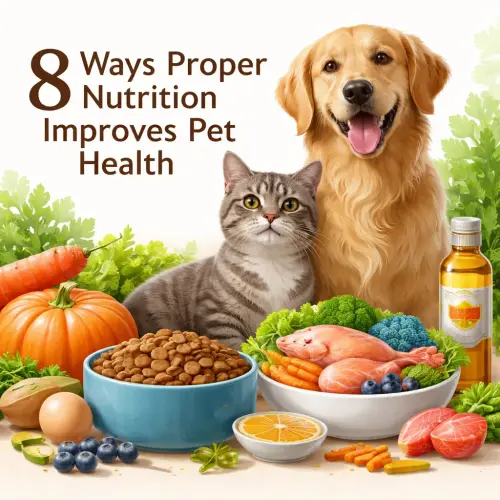
Ways Proper Nutrition Improves Pet Health Key Takeaways
Proper nutrition is the cornerstone of your pet’s well-being, affecting everything from energy levels and coat shine to digestion and longevity.
- The ways proper nutrition improves pet health include stronger immunity, healthier skin and coat, better digestion, and sustained energy.
- Balanced diets tailored to life stage and species reduce the risk of obesity, diabetes, and joint problems.
- High-quality ingredients and proper portion control are essential for maximizing pet nutrition benefits .
What Every Pet Owner Should Know About the Ways Proper Nutrition Improves Pet Health
As a pet parent, you want your furry friend to thrive. Food is more than just fuel — it’s the foundation for a long, active life. The ways proper nutrition improves pet health are backed by veterinary science and decades of research. From puppyhood to the senior years, every meal matters. For a related guide, see 10 Essential Questions to Ask Your Vet About Aging Cats.
In this guide, we break down eight science-backed benefits of a quality diet. Whether you’re a first-time pet owner or a seasoned animal lover, these healthy pet diet tips will help you make better choices at the food bowl.
1. Stronger Immune System Through Balanced Nutrition
A well-formulated diet packed with antioxidants, vitamins, and minerals directly supports your pet’s immune defenses. Omega-3 fatty acids, vitamin E, and zinc — often found in high-quality pet foods — help reduce inflammation and fight off infections.
Key Immune-Boosting Nutrients
Look for ingredients like fish oil, blueberries, spinach, and probiotics. These components work together to strengthen the gut microbiome, which is where 70% of the immune system resides. One of the clearest ways proper nutrition improves pet health is by reducing the frequency of illnesses.
2. Healthier Skin and a Shinier Coat
Dull, flaky fur and itchy skin often signal nutritional deficiencies. Diets rich in omega-6 and omega-3 fatty acids — from sources like chicken fat, flaxseed, and salmon — promote a glossy coat and supple skin. This is one of the first pet nutrition benefits you’ll notice after switching to a quality food.
Dry skin, hot spots, and excessive shedding can improve dramatically within weeks of dietary adjustment. For dogs and cats with allergies, limited-ingredient diets can further reduce skin irritation.
3. Optimal Digestion and Gut Health
Prebiotics (like chicory root), probiotics, and digestible proteins ease the workload on your pet’s digestive system. When the gut is healthy, your pet absorbs more nutrients and produces firmer, less smelly stools. This is one of the most noticeable ways proper nutrition improves pet health for new pet parents.
Signs of Good Digestion
- Regular, formed stools
- Minimal gas or bloating
- Healthy appetite without vomiting
4. Sustained Energy and Vitality
Carbohydrates from whole grains, sweet potatoes, or legumes provide steady energy throughout the day. High-quality animal protein supports lean muscle mass, while fats deliver concentrated fuel. Together, they ensure your pet stays playful, alert, and ready for walks — a clear example of how ways proper nutrition improves pet health translates into daily joy.
Avoid foods with fillers like corn gluten meal or excessive sodium, which can cause energy spikes followed by lethargy.
5. Healthy Weight Management
Obesity is the most common preventable health issue in pets. Properly portioned, nutrient-dense meals help maintain an ideal body condition. Calorie-controlled formulas with high protein and moderate fat keep your pet feeling full without overeating. Weight management is among the most important pet nutrition benefits, as it reduces the risk of arthritis, diabetes, and heart disease.
Use the feeding guide on the bag as a starting point, but adjust based on your pet’s activity level and body condition score (check with your vet).
6. Stronger Bones and Joints
Calcium, phosphorus, vitamin D, and glucosamine are essential for skeletal health. Large-breed puppies need carefully balanced minerals to avoid developmental bone disorders. Senior pets benefit from joint-supporting ingredients like chondroitin and MSM. Supporting long-term mobility is one of the lesser-known ways proper nutrition improves pet health. For a related guide, see 10 Vet-Approved Diet Tips: Essential Guide for Healthy Pets.
Feeding a diet formulated for the correct life stage (puppy, adult, senior) is critical — growing bones have very different requirements than mature ones.
7. Better Dental Health
Dry kibble’s abrasive texture can help reduce plaque buildup, and certain dental-specific diets are designed to mechanically clean teeth. Additionally, nutrients like vitamin C and antioxidants support gum tissue integrity. While not a substitute for brushing, a proper diet is a simple, effective part of oral care — another of the practical ways proper nutrition improves pet health.
8. Longer Lifespan and Better Quality of Life
Collectively, all the benefits above add up to one thing: your pet living longer and feeling better. Studies have shown that dogs fed a nutritionally complete diet have a median lifespan 1.8 years longer than those on subpar foods. The ways proper nutrition improves pet health are cumulative — every bowl of quality food contributes to more healthy years together.
How to Choose the Right Food for Maximum Pet Nutrition Benefits
With so many brands and formulas, picking the best diet can feel overwhelming. Follow these healthy pet diet tips to simplify the decision:
- Check the AAFCO statement — ensures the food is nutritionally complete for your pet’s life stage.
- Look for named protein sources — “chicken meal” or “salmon” rather than vague “meat by-products.”
- Avoid artificial colors, flavors, and preservatives — these offer no health value.
- Consult your veterinarian — especially for pets with medical conditions or special needs.
Useful Resources
For more in-depth guidance on pet nutrition benefits, visit these trusted sources:
- American Veterinary Medical Association – Pet Nutrition Basics
- PetMD – What’s in a Balanced Diet for Dogs and Cats
Frequently Asked Questions About Ways Proper Nutrition Improves Pet Health
What is the single most important nutrient for my pet?
High-quality animal protein is the most essential nutrient because it provides amino acids that dogs and cats cannot produce on their own. Protein supports muscle, immune function, and enzyme production.
How quickly will I see changes after switching to a better diet?
You may notice improvements in energy and coat shine within 2–4 weeks. Digestive changes, like firmer stools, can appear in as little as a few days.
Are grain-free diets healthier for pets?
Not necessarily. Grain-free diets are only beneficial for pets with confirmed grain allergies, which are rare. In some cases, grain-free diets have been linked to dilated cardiomyopathy (DCM) in dogs. Always consult your vet.
Can proper nutrition prevent allergies?
While diet cannot cure environmental allergies, a high-quality diet with novel proteins (like duck or venison) can reduce food-related allergic reactions. Omega-3s also help control inflammation.
Is wet food better than dry food?
Both have pros and cons. Wet food provides more moisture — helpful for urinary tract health — while dry food is more convenient and may support dental health. A combination can work well.
How do I know if my pet is overweight?
You should be able to feel your pet’s ribs without pressing hard. From above, the waist should be visible. Your veterinarian can assess body condition score (BCS) accurately.
Do senior pets need different nutrition?
Yes. Senior formulas often have lower calories, higher fiber, and added joint supplements like glucosamine. They also adjust phosphorus levels to support kidney health.
Can I feed my cat a vegan diet?
Cats are obligate carnivores and require taurine and arachidonic acid — nutrients only found in animal tissues. A vegan diet is not recommended without intensive veterinary supervision.
How much should I feed my puppy?
Follow the feeding guide on the food label based on your puppy’s expected adult weight. Divide the daily portion into 3–4 meals for small breeds, 2–3 for larger breeds. Adjust as needed.
What are common signs of poor nutrition in pets?
Dull coat, flaky skin, low energy, poor muscle tone, bad breath, soft or irregular stools, and frequent illness can all indicate nutritional deficiencies.
Is raw feeding safe?
Raw diets can carry risks of bacterial contamination (Salmonella, E. coli) both for pets and their human families. If you choose raw, follow strict hygiene protocols and consult a veterinary nutritionist.
Should I give my pet supplements?
Only if recommended by your veterinarian. Many commercial diets are already complete. Over-supplementing, especially with calcium or fat-soluble vitamins, can be harmful.
How do I transition my pet to a new food?
Mix increasing amounts of the new food with the old over 7–10 days. Start with 25% new / 75% old, then 50/50, then 75/25, until fully switched. This prevents digestive upset.
Can nutrition affect my pet’s behavior?
Yes. Diets low in tryptophan or high in carbohydrates can affect serotonin levels. Some pets become more anxious or hyperactive on poor-quality food. Balanced nutrition supports stable mood.
What should I look for in a cat food label?
Look for a named animal protein as the first ingredient, guaranteed taurine levels, and an AAFCO statement for the correct life stage. Avoid high carbohydrate content — cats need more protein.
Are “human-grade” pet foods better?
“Human-grade” means ingredients are fit for human consumption, which implies higher quality control. However, the term is not strictly regulated, so research the brand’s sourcing and manufacturing standards.
How does nutrition affect my pet’s dental health?
Kibble’s abrasive texture can reduce plaque, and some dental diets use a special shape to clean teeth as the pet bites. Nutrients like vitamin C and antioxidants also support gum health.
Can I make homemade pet food safely?
Yes, but it requires careful formulation to meet AAFCO standards. Many homemade diets lack essential nutrients. Work with a board-certified veterinary nutritionist to create a balanced recipe.
Is it okay to give my pet table scraps?
Occasional plain, cooked meats or vegetables (no onions, garlic, grapes, or xylitol) are fine. But regular table scraps can unbalance the diet and lead to obesity or pancreatitis.
What is the role of water in pet nutrition?
Water is the most essential nutrient. It aids digestion, regulates body temperature, and flushes toxins. Always provide fresh, clean water. Wet food can increase your pet’s water intake.