



Ways to Protect Pets During Rainy Season in the Philippines Key Takeaways
The Philippines monsoon season brings heavy rains, flooding, and a spike in parasites and illnesses that can harm your pets.
- Prioritize indoor shelter and flood-proofing to keep pets safe from rising waters and lightning storms.
- Stay vigilant with parasite prevention, especially for fleas, ticks, and heartworm, which thrive in wet conditions.
- Develop a rainy-season hygiene routine to prevent skin infections and respiratory issues in your furry companions.
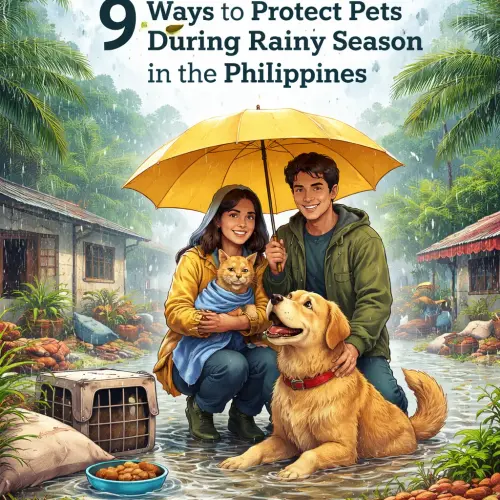
Understanding the Risks of the Philippine Rainy Season for Pets
Before diving into the specific ways to protect pets during rainy season in the Philippines, it helps to understand the unique dangers. The combination of high humidity, stagnant water, and sudden temperature changes creates a perfect storm for health issues. Leptospirosis, for example, spikes during this time because it spreads through floodwater contaminated with animal urine. Skin infections, respiratory problems, and even anxiety from loud thunder are all common concerns for pet owners across the archipelago. For a related guide, see 7 Common Rainy Season Diseases in Pets: Essential Prevention.
Why Local Weather Patterns Matter
The Philippines experiences an average of 20 tropical cyclones per year. This means that even indoor pets face risks from mold, damp bedding, and drafts. Recognizing these threats is the first step in implementing effective Ways to Protect Pets During Rainy Season.
1. Create a Dry and Flood-Proof Indoor Sanctuary
The most critical step in rainy season pet care Philippines is ensuring your pet has a safe, dry space. When the rain pours, even covered outdoor kennels can become damp and uncomfortable. Your goal should be to bring pets inside whenever possible.
Practical Tips for an Indoor Haven
- Identify the highest floor or area in your home—perfect for flood-prone zones. Move pet beds, food, and water to this safe zone.
- Use waterproof or washable pet beds. In the tropics, moisture seeps into everything. Choose beds with removable, machine-washable covers.
- Place absorbent mats near entryways so paws are dried immediately before your pet walks around the house.
Relatable Example
Maria, a rescue pet parent from Marikina, remembers the Typhoon Ondoy floods. Now, every June she moves her two dogs’ beds and food bowls to the second floor, right next to a supply of towels and a first-aid kit. She says it gives her peace of mind knowing they are safe even if the water rises quickly.
2. Keep Up with Parasite Prevention Year-Round
Fleas, ticks, and mosquitoes breed faster in warm, wet weather. This is why protect pets from rain strategies must include a robust antiparasitic program. Heartworm disease, transmitted by mosquitoes, is a serious threat to dogs and cats across the Philippines.
What to Do
- Administer monthly heartworm preventive medication (consult your vet for the right brand, like Heartgard or Revolution).
- Use a vet-recommended flea and tick collar or topical treatment. Avoid cheap market brands that may be ineffective.
- After every walk, check your pet’s fur and skin for ticks. They love hiding in ears, between toes, and under collars.
3. Master the Wet-Paw Drying Routine
One of the simplest yet most effective pet safety rainy season habits is thorough drying after any exposure to rain or puddles. Moisture trapped between paw pads is an invitation for fungal and bacterial infections.
A Step-by-Step Drying Process
- Blot, don’t rub: Use a soft microfiber towel to gently press moisture out of the fur and paws.
- Check the crevices: Dry between toes and under the tail. For long-haired breeds like Shih Tzus, consider a pet-safe blow dryer on low heat.
- Apply a paw balm: A natural wax-based balm (like Musher’s Secret) forms a protective barrier against water and mud.
4. Watch for Floodwater Hazards—Especially Leptospirosis
Leptospirosis is a bacterial disease that can be fatal to dogs and transmissible to humans. It spreads through the urine of infected animals, which is commonly found in floodwater and puddles. This makes it one of the most urgent reasons to follow ways to protect pets during rainy season in the Philippines.
Preventive Measures
- Never let your dog drink from or walk through stagnant water. Bring a portable water bowl on walks.
- Vaccinate your dog against leptospirosis. This is an annual shot that many Philippine vets strongly recommend before the rainy season starts, usually around May or June.
- If your pet shows symptoms like fever, vomiting, or lethargy after exposure to floodwater, bring them to the vet immediately.
5. Adjust Your Walk Schedule and Gear
Walking your pet during the monsoon season requires a bit of planning. Sudden downpours and lightning can spook even the calmest dogs. Adopting flexible ways to protect pets during rainy season means being smart about timing.
Smart Walking Tips
- Walk after the heaviest rain has passed, usually early morning or late evening when streets are less crowded.
- Invest in a waterproof leash and a raincoat for short-haired breeds like Beagles or Chihuahuas.
- Avoid metal retractable leashes during lightning storms. Use a standard nylon or leather leash instead.
6. Maintain a Clean and Dry Living Environment
Dampness inside the home can lead to mold, mildew, and respiratory problems for both pets and people. A clean environment is a core part of rainy season pet care Philippines.
Housekeeping Strategies
- Use a dehumidifier in rooms where your pet sleeps. This helps prevent fungal growth on bedding and carpets.
- Wash your pet’s blankets and toys at least once a week with hot water and pet-safe detergent.
- Wipe down floors with a diluted bleach or pet-safe disinfectant solution (1 part bleach to 32 parts water) to kill any leptospira bacteria tracked inside.
7. Manage Anxiety During Thunderstorms
Many pets experience severe anxiety during typhoons and thunderstorms. Recognizing this as a genuine welfare issue is part of responsible pet safety rainy season planning. A panicked dog may hurt itself trying to escape or hide.
Calming Techniques
- Create a “den” using a crate covered with a heavy blanket. This muffles sound and provides a sense of security.
- Play white noise, calming music, or a thunderstorm soundtrack for pets before the real storm hits.
- Consider natural calming aids like L-theanine chews (e.g., Zesty Paws Calming Bites) or a Thundershirt, which applies gentle pressure.
8. Inspect and Maintain Your Pet’s Food and Water
Humidity can quickly spoil dry kibble, making it rancid or moldy. Paying attention to food storage is an often-overlooked piece of the puzzle when looking for ways to protect pets during rainy season in the Philippines.
Storage Best Practices
- Store dry food in a sealed, airtight container (avoid the original bag—it’s not moisture-proof).
- Pour only a day’s worth of kibble into the bowl at a time. Discard any uneaten food after a few hours.
- Change your pet’s water two or three times a day, and wash the bowl daily to prevent bacterial slime.
9. Schedule an Early Rainy-Season Vet Visit
The most proactive of the ways to protect pets during rainy season in the Philippines is to visit your veterinarian before the rain starts. A checkup can catch hidden problems and ensure vaccinations and preventives are up-to-date.
What a Rainy Season Checkup Covers
- Leptospirosis and Distemper booster vaccines.
- Fecal exam to check for intestinal parasites.
- Prescription refill for heartworm prevention.
- General health assessment, especially for senior pets with arthritis that may worsen in damp weather.
Comparison of Common Rainy Season Health Risks for Pets
| Health Risk | Primary Cause | Prevention Method |
|---|---|---|
| Leptospirosis | Bacteria in floodwater | Vaccination + avoid puddles |
| Flea/Tick Infestation | Humidity, tall grass | Monthly topical/oral preventives |
| Heartworm Disease | Mosquito bites | Monthly chewable + mosquito control |
| Fungal Skin Infection | Prolonged wet fur | Thorough drying after rain |
| Thunderstorm Anxiety | Loud noises, pressure change | Calming aids, safe den space |
Final Reminder: Your Pet Depends on You
The 9 Ways to Protect Pets During Rainy Season in the Philippines covered here are designed to give you a complete action plan. The rainy season doesn’t have to mean sleepless nights or sick pets. With some advance preparation and daily attention to hygiene, shelter, and parasite control, you can keep your fur babies happy and healthy no matter how hard it rains.
Every pet owner’s situation is slightly different. Your veterinarian knows your pet’s specific health profile and can tailor advice that goes beyond general recommendations. If any of the ways to protect pets during rainy season in the Philippines seem unfamiliar or if your pet has a health change, schedule a vet visit today. We’d love to hear your own rain-season tips in the comments below! For a related guide, see 12 Common Pet Diseases in the Philippines Every Owner Should Know.
Useful Resources
For more detailed information on leptospirosis prevention and pet disaster preparedness, visit the CDC guide on leptospirosis in pets. For local weather advisories and flood safety tips, check the PAGASA official website for real-time updates during typhoon season.
Frequently Asked Questions About Ways to Protect Pets During Rainy Season in the Philippines
What is the most important way to protect pets during rainy season in the Philippines?
Keeping your pet indoors and dry is the most reliable first step. Combine that with leptospirosis vaccination and monthly parasite prevention for full coverage.
Can dogs get leptospirosis from puddles?
Yes, leptospirosis bacteria thrive in standing water contaminated by the urine of infected animals, often rats and stray dogs. Avoid letting your dog drink or wade through puddles and street floods.
When should I start preparing my pet for the rainy season?
Start in May or early June, before the monsoon rains fully arrive. This gives you time for vet checkups, vaccine boosters, and stocking up on flea/heartworm preventives.
Do I need to bathe my pet more often during rainy season?
Not necessarily. Over-bathing strips natural oils. Instead, rinse muddy paws and belly with clean water and towel dry thoroughly. Bathe only if your pet is visibly dirty or smelly.
Is it safe to walk my dog in light rain?
Light rain is usually safe, but watch for lightning and rising puddles. Use a raincoat for short-haired breeds and always dry your pet completely after the walk.
What should I do if my pet gets wet in a heavy downpour?
Bring them inside immediately. Towel-dry thoroughly, focusing on paws, ears, and belly. Keep them warm with a dry blanket, and monitor for signs of chilling or stress.
Can cats get sick from rainy weather?
Yes, cats can catch respiratory infections from damp and drafty environments. Indoor-only cats are safer. Outdoor cats should have a dry shelter or be brought inside during storms.
How do I dry a pet that hates towels?
Use a non-slip mat and a calm voice. Try a microfiber towel that absorbs quickly without heavy rubbing. For extremely anxious pets, a pet-safe blow dryer on low heat can work better.
Are natural flea remedies effective during the rainy season?
Natural remedies like essential oils often lack sufficient efficacy and may be toxic to cats. Vet-approved spot-on treatments or oral tablets are far more reliable in our tropical climate.
What is heartworm disease in pets?
Heartworm is a serious parasitic infection spread by mosquitoes that attacks the heart and lungs. It is preventable with monthly medication, but treatment is expensive and risky for dogs.
Can I use human raincoats for my dog?
Human raincoats do not fit a dog’s body shape and can restrict movement. Invest in a properly fitted pet raincoat that leaves the legs and tail free.
How often should I wash my pet’s bedding in rainy season?
Ideally once a week using hot water and a pet-safe detergent. This prevents mold, dust mites, and bacterial buildup from the increased humidity.
Is it okay to leave my dog outside on a covered porch during rain?
Not for extended periods. Even a covered porch can get damp from wind-driven rain and humidity. Legally and ethically, pets should have access to dry indoor shelter during severe weather.
What are signs of a skin infection in pets during rainy weather?
Watch for excessive scratching, red or inflamed skin, foul odor, hair loss, scabs, or moist patches (hot spots). Schedule a vet visit if you notice these signs.
Should I trim my dog’s fur shorter for the rainy season?
Trimming fur shorter can help with faster drying, but do not shave double-coated breeds like Huskies or Shih Tzus. Their undercoat provides insulation and protection.
Can thunderstorm anxiety harm my dog?
Yes. Extreme panic can cause dogs to injure themselves by crashing through windows or doors. Chronic anxiety also raises cortisol levels, weakening their immune system over time.
What if I cannot afford monthly heartworm prevention?
Philippine veterinary clinics sometimes offer bulk pricing or multi-pet discounts. Some animal welfare organizations (e.g., PAWS) provide low-cost clinics for core preventives.
Are bamboo blinds or curtains helpful during storms?
Heavy curtains can help insulate windows and reduce noise from rain and wind. Bamboo shades, however, let moisture seep through and are less effective for sound dampening.
Can I make my own pet-safe disinfectant for floors?
Yes. Mix 1 part household bleach with 32 parts water (1/3 cup bleach per gallon of water). This solution kills leptospira bacteria. Rinse thoroughly before your pet walks on the surface.
How do I know if my pet has a fever after getting wet in the rain?
Signs include warm ears and nose, lethargy, shivering despite being dry, loss of appetite, and glassy eyes. Use a pet thermometer to check temperature—normal is 101–102.5°F (38.3–39.2°C).