



stressed cat signs Key Takeaways
Recognizing stressed cat signs early can prevent serious health issues and improve your cat’s quality of life.
- Early detection of stressed cat signs helps avoid chronic anxiety and related illnesses.
- Common triggers include changes in routine, new pets, and environmental stressors.
- Simple adjustments like enriching the environment and using pheromone diffusers can significantly reduce stress.
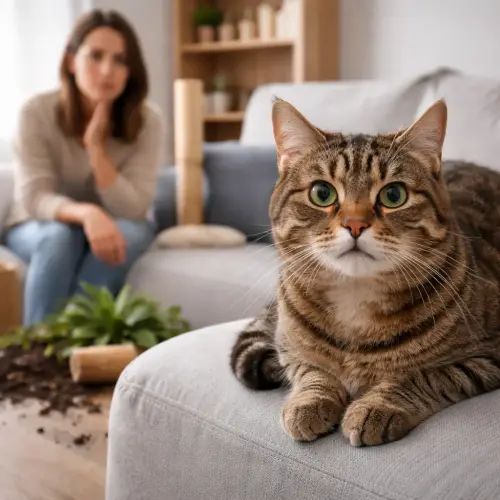
What Are the Most Common Stressed Cat Signs?
Cats are masters of hiding discomfort, but stressed cat signs often reveal themselves through subtle changes in behavior, body language, and daily habits. Unlike dogs, cats tend to internalize stress until it manifests physically or through avoidance. Knowing what to look for empowers you to intervene early and restore balance. For a related guide, see 10 Things Cats Hate That Owners Do – Avoid These Common.
The following seven indicators are among the most reliable cat stress signs reported by veterinarians and feline behavior specialists. Each sign carries its own context, and a combination of them often points to an underlying issue. Signs your cat is stressed may appear gradually or suddenly, depending on the trigger.
1. Excessive Grooming or Fur Loss
When a cat feels anxious, it may groom excessively as a self-soothing mechanism. This often results in bald patches, thinning fur, or irritated skin, especially on the belly, inner thighs, or along the back.
Why This Happens
Overgrooming releases endorphins that temporarily calm the nervous system. However, it can lead to dermatitis, hot spots, or even skin infections. Veterinary dermatology specialists note that this behavior is one of the most overlooked stressed cat signs because owners often mistake it for allergies.
What You Can Do
Provide interactive toys and vertical spaces to redirect nervous energy. Use a Feliway diffuser near the cat’s resting area to release calming pheromones. If fur loss persists, consult a veterinarian to rule out medical causes.
2. Hiding More Than Usual
A stressed cat frequently retreats to closets, under beds, or behind furniture. While all cats enjoy occasional solitude, prolonged hiding signals that the environment feels unsafe.
Recognizing Isolation Patterns
If your cat no longer greets you at the door or avoids previously enjoyed spots, that’s a strong indicator. This is especially concerning when combined with other cat stress signs like decreased appetite or aggression.
Creating Safe Zones
Place a cardboard box with a soft blanket in a quiet corner. Install cat shelves or a tall cat tree to offer elevated retreats. Keep the hiding area consistent and never force your cat out.
3. Sudden Aggression or Irritability
Stress-lashing out is a defensive reaction. A previously friendly cat may hiss, swat, or bite when approached, even by familiar family members.
Understanding the Shift
This stressed cat sign often stems from fear, pain, or territorial insecurity. Redirected aggression can occur when an outdoor cat passes by a window, triggering an internal threat response.
Calming Techniques
Never punish aggression; it escalates anxiety. Instead, offer distance and use treats to rebuild positive associations. The ASPCA recommends gradual desensitization and providing multiple resources like food bowls and litter boxes to reduce competition.
4. Changes in Vocalization
Excessive meowing, yowling, or, conversely, complete silence can indicate distress. Each cat has a unique vocal baseline, so any major shift warrants attention.
Reading the Sounds
Low-pitched growls often accompany fear, while high-pitched yowls may signal pain or disorientation. This sign your cat is stressed is especially common in senior cats with cognitive decline or hearing loss.
Practical Steps
Keep a log of when vocalizations occur to identify triggers. Provide predictable routines for feeding and play. If the behavior is new, schedule a veterinary exam to rule out medical issues like hyperthyroidism.
5. Inappropriate Urination or Defecation
Don’t ignore this one. Urinating outside the litter box is one of the most frustrating yet telling stressed cat signs. It is rarely a spiteful act; instead, it reflects anxiety about the box itself, its location, or territorial pressure.
Common Triggers
A dirty box, a new brand of litter, or placing the box in a high-traffic area can cause avoidance. Multi-cat households may also see marking behavior as a stress response.
Solutions
Follow the rule: one box per cat plus one extra. Scoop daily and wash boxes weekly with mild soap. Place boxes in quiet, accessible spots away from food and water. Use an enzymatic cleaner to remove odors from accident sites.
6. Decreased Appetite or Sudden Weight Loss
Stress suppresses appetite in many cats. A cat that turns away from food or eats significantly less for more than 24 hours is showing a clear stressed cat sign.
When to Worry
Prolonged anorexia can lead to hepatic lipidosis, a serious liver condition. Combine this observation with changes in water intake and energy levels.
Encouraging Eating
Warm wet food slightly to enhance aroma. Offer small, frequent meals. Use puzzle feeders to engage their hunting instincts. If the behavior persists beyond 48 hours, a veterinary visit is essential.
7. Repetitive or Compulsive Behaviors
Pacing, circling, tail chasing, or excessive scratching at surfaces are compulsive actions that indicate chronic stress. These behaviors arise when a cat feels trapped or under-stimulated.
Identifying Compulsive Patterns
Unlike playful behavior, compulsive actions are repetitive and lack an obvious goal. For example, a stressed cat may pace the same path for minutes without stopping.
Environmental Enrichment
Provide window perches, cat-safe grass, and interactive wand toys. Rotate toys weekly to maintain novelty. Consider clicker training to channel focus and build confidence.
Conclusion: Prioritize Your Cat’s Emotional Health
Recognizing stressed cat signs is the first step toward a happier, healthier pet. Each sign offers a clue about what your cat is experiencing internally. By addressing triggers early and creating a calm, predictable environment, you can prevent chronic stress from undermining their well-being. For a related guide, see 8 Proven Signs Your Dog Has Anxiety: Essential Owner Guide.
If you observe multiple signs your cat is stressed that persist despite your efforts, consult a veterinarian or a certified feline behavior consultant. Professional guidance can make a profound difference, especially for complex cases involving multi-cat dynamics or past trauma.
Useful Resources
- Catster: Stress in Cats – Signs and Solutions – A comprehensive list of stress indicators with input from veterinary behaviorists.
- International Cat Care: Stress in Cats – Evidence-based advice on preventing and managing feline stress from a leading cat welfare charity.
Frequently Asked Questions About stressed cat signs
What are the most common stressed cat signs?
Common signs include excessive grooming, hiding, aggression, changes in vocalization, inappropriate elimination, appetite loss, and repetitive behaviors.
Can stress cause a cat to stop eating?
Yes, stress is a common cause of decreased appetite in cats. If it lasts over 24 hours, consult a veterinarian to avoid serious complications.
How can I tell if my cat is stressed or just tired?
A stressed cat often shows tension in its body, flattened ears, dilated pupils, and a tucked tail. Tired cats are relaxed and respond when approached.
Why does my cat suddenly hide all the time?
Sudden hiding often signals that something in the environment feels threatening, such as a new pet, loud noises, or a change in routine.
Is overgrooming always a sign of stress?
Not always, but it is a top suspect. Overgrooming can also result from allergies, parasites, or pain. A vet can help differentiate.
What should I do if my cat pees outside the litter box?
First, rule out medical issues. Then examine the litter box setup: cleanliness, location, type of litter, and number of boxes in the home.
Can a stressed cat become aggressive?
Yes, stress frequently triggers defensive aggression. It’s a fear-based reaction, not a personality change. Address the underlying stressor.
How long does it take for a stressed cat to calm down?
It varies. Mild stress may resolve in a few days with routine adjustments, while chronic cases may take weeks or months with behavior modification.
Does my cat need medication for stress?
Medication is usually reserved for severe or chronic cases that don’t respond to environmental changes. A veterinarian can prescribe if needed.
Can stress cause a cat to vomit?
Yes, stress can trigger digestive upset, including vomiting or diarrhea, especially in sensitive cats.
What is a cat stress pheromone diffuser?
It’s a plug-in device that releases synthetic facial pheromones (like Feliway) to help create a sense of security for cats.
How do I reduce stress in a multi-cat household?
Provide separate resources (food, water, litter, perches) for each cat, use vertical space, and offer calm introductions for new additions.
Can a new baby or pet cause cat stress?
Absolutely. Changes in family structure are major stressors. Use gradual introductions and maintain the cat’s routines.
Is it normal for a stressed cat to sleep more?
Yes, many stressed cats sleep more to escape their environment. However, excessive sleep combined with other signs warrants concern.
Can a cat hide being stressed?
Cats are experts at hiding stress, which is why subtle behavioral changes are so important to catch early.
What does a stressed cat’s tail look like?
A stressed cat may hold its tail low, tucked between legs, or flick it rapidly. A puffed tail can also indicate fear.
How do I know if my cat is stressed or in pain?
Both show overlapping signs. Pain often includes limping, vocalizing when touched, or guarding a body part. A vet exam is safest.
Should I change my cat’s diet if it’s stressed?
Only if recommended by a vet. Some prescription diets help with stress-related digestive issues, but environment should be addressed first.
Can playing with my cat reduce stress?
Yes, regular interactive play mimics hunting and releases endorphins, significantly lowering stress levels.
When should I see a vet about my cat’s stress?
If signs persist for more than a few days, include appetite loss, or are accompanied by vomiting, diarrhea, or lethargy, see a vet promptly.