


healthy foods you can feed your pet Key Takeaways
Choosing the right healthy foods you can feed your pet is one of the best ways to boost their energy, coat health, and overall happiness.
- Adding healthy foods you can feed your pet like blueberries and pumpkin supports digestion and immunity naturally.
- Always introduce new foods slowly and in small portions to avoid stomach upset.
- Some human foods are toxic to pets—this list focuses only on safe, nutritious choices for dogs and cats.
Why Healthy Foods You Can Feed Your Pet Matter for Their Well-Being
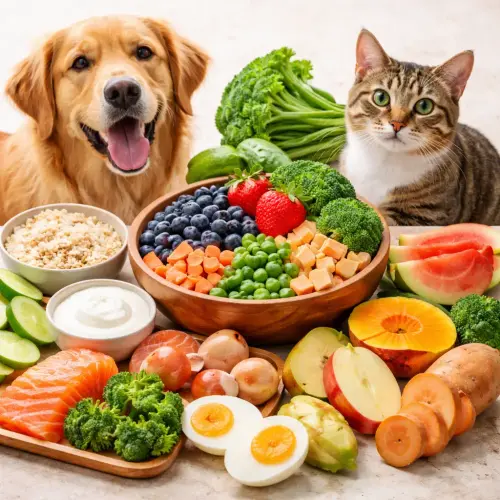
Your pet’s diet directly impacts their energy, coat shine, and long-term health. By incorporating a few whole foods into their meals, you can provide essential vitamins, minerals, and antioxidants that commercial kibble sometimes lacks. Many pet parents wonder what can I feed my pet that is both safe and beneficial—this list answers that question with expert-backed choices. For a related guide, see 7 Proven Ways to Improve Your Cat’s Health and Happiness.
Always check with your veterinarian before making significant dietary changes, especially if your pet has existing health conditions. The following 10 options are generally safe for most dogs and cats when served correctly.
The Top 10 Healthy Foods for Pets, One by One
1. Blueberries
Blueberries are packed with antioxidants, fiber, and vitamins C and K. They make a crunchy, low-calorie treat that supports immune function and can even help aging pets with cognitive health. Serve them fresh or frozen, and limit to a few berries per day for small pets. For a related guide, see 15 Common Pet Owner Mistakes and How to Avoid Them (Expert.
2. Carrots
Carrots are rich in beta-carotene and vitamin A, which promote healthy vision and a strong immune system. The natural crunch also helps clean your pet’s teeth. Slice them into bite-sized sticks or buy baby carrots—avoid whole large carrots for small dogs or cats.
3. Pumpkin (plain, cooked)
Plain canned pumpkin (not pumpkin pie filling) is a fantastic source of fiber and beta-carotene. It helps regulate digestion, whether your pet has diarrhea or constipation. Start with one teaspoon for small pets and up to two tablespoons for large dogs.
4. Cooked Salmon
Salmon is loaded with omega-3 fatty acids, which support a shiny coat, healthy skin, and joint function. Always cook salmon thoroughly to kill parasites, remove all bones, and serve in small flaked portions. Avoid smoked or seasoned salmon.
5. Sweet Potatoes
Sweet potatoes provide dietary fiber, vitamin B6, vitamin C, and beta-carotene. They are gentle on the digestive system and make a satisfying treat. Bake or steam them without any butter, salt, or spices, then mash or cube before serving.
6. Green Beans
Green beans are low in calories and high in fiber, vitamins C and K, and manganese. They make excellent low-calorie snacks for overweight pets. Offer them steamed, raw (cut into small pieces), or as a frozen treat—just skip any salt or seasoning.
7. Eggs (cooked)
Eggs are a complete protein source containing essential amino acids, riboflavin, and selenium. They support muscle maintenance and a healthy coat. Serve eggs scrambled, boiled, or poached without any oil, butter, or seasoning. One egg a day is plenty for most dogs; cats can have half an egg a few times a week.
8. Watermelon (seedless, rind removed)
Watermelon is hydrating and provides vitamins A, B6, and C along with lycopene. Remove all seeds and the hard rind, then cut the flesh into small cubes. It’s a refreshing summer treat—but never feed the rind or seeds, as they can cause blockages.
9. Plain Yogurt (unsweetened)
Plain, unsweetened yogurt contains probiotics that aid digestion and calcium for strong bones. Look for live active cultures and avoid any with artificial sweeteners (especially xylitol, which is toxic). A tablespoon for small pets and two tablespoons for larger pets is a good starting point.
10. Apples (sliced, seeds removed)
Apples are a crunchy source of vitamins A and C and fiber. They help clean teeth and freshen breath. Always remove the core and seeds (which contain trace cyanide), and slice into edible pieces. One or two slices a day is enough for most pets.
How to Safely Introduce Healthy Foods You Can Feed Your Pet
Even the healthy pet foods on this list can cause digestive upset if introduced too quickly. Follow these simple steps to ensure a smooth transition:
- Start small: Offer a tiny piece (about the size of a pea) and wait 24 hours to see how your pet reacts.
- Watch for signs: Vomiting, diarrhea, or itching may indicate a food allergy or intolerance.
- Stick to plain: Never add salt, sugar, butter, garlic, onion, or spices to any food you share.
- Portion control: Treats (including healthy ones) should make up no more than 10% of your pet’s daily calorie intake.
Comparison Table: Quick Serving Guide for 10 Healthy Foods for Pets
| Food | Key Nutrient | Serving Suggestion for Dogs | Serving Suggestion for Cats |
|---|---|---|---|
| Blueberries | Antioxidants | 3-5 berries | 1-2 berries |
| Carrots | Vitamin A | 2-3 baby carrots | 1 thin slice |
| Pumpkin | Fiber | 1-2 tbsp | 1 tsp |
| Cooked Salmon | Omega-3 | 1 oz | 1-2 bites |
| Sweet Potatoes | Beta-carotene | 2-3 small cubes | 1 small cube |
| Green Beans | Fiber | 5-6 pieces | 1-2 pieces |
| Eggs | Protein | 1 egg | ½ egg |
| Watermelon | Hydration | 1-2 cubes | 1 small cube |
| Plain Yogurt | Probiotics | 1-2 tbsp | 1 tsp |
| Apples | Vitamin C | 1-2 slices | 1 small slice |
Useful Resources
For more detailed guidance on safe feeding practices, check these reputable sources:
- AKC: Human Foods Dogs Can and Can’t Eat — a comprehensive list from the American Kennel Club.
- VCA Hospitals: Nutrition and Feeding Guidelines for Cats — veterinary-reviewed advice on safe treats and portion sizes.
Frequently Asked Questions About healthy foods you can feed your pet
Can I feed my dog blueberries every day?
Yes, a few blueberries daily are fine for most dogs. They are low in calories and high in antioxidants, but stick to the serving size for your dog’s weight.
Are carrots better cooked or raw for pets?
Both are safe. Raw carrots provide a crunchy texture that can help clean teeth, while cooked carrots are softer and easier to digest. Avoid adding any seasoning.
Can cats eat pumpkin like dogs do?
Yes, plain canned pumpkin is safe for cats. It can help with hairball management and digestive regularity. Start with a small teaspoon.
Is it safe to give my pet raw salmon?
No, raw salmon may contain parasites and bacteria that can cause serious illness. Always cook salmon thoroughly before serving it to your pet.
How much sweet potato can I give my dog?
A few small cubes (about 1-2 tablespoons) is a safe serving for most dogs. Too much can cause digestive upset due to the high fiber content.
Can green beans cause gas in pets?
Some pets may experience mild gas if they eat too many green beans at once. Introduce them slowly and serve in small amounts.
Are scrambled eggs with milk safe for dogs?
Plain scrambled eggs (without milk, butter, or seasoning) are safe. Many dogs are lactose intolerant, so adding milk may cause stomach upset.
Can I feed watermelon rind to my dog?
No, watermelon rind is very tough and can cause intestinal blockage. Only the flesh (red part) with seeds removed is safe.
Is Greek yogurt better than regular yogurt for pets?
Greek yogurt has more protein and less lactose, making it a good option. Just ensure it’s plain and free from added sugars or artificial sweeteners.
Can cats eat apples?
Yes, a small slice of apple (without seeds or core) is safe for cats. Cats may not be as interested due to their limited sweet taste receptors, but it’s non-toxic.
What fruits are toxic to dogs?
Grapes, raisins, cherries (pits contain cyanide), and citrus fruits in large amounts can be toxic. Always research before sharing any fruit.
Can I feed my dog frozen blueberries?
Yes, frozen blueberries are a great warm-weather treat. They provide the same nutrients and can help soothe teething puppies.
How do I know if my pet has a food allergy?
Common signs include itching, ear infections, excessive licking, vomiting, or diarrhea. Introduce one new food at a time and monitor for 24-48 hours.
Are canned green beans safe for pets?
Only if they are no-salt-added and free from seasonings. Rinsing canned green beans can help reduce sodium levels. Fresh or frozen is generally better.
Can I give my cat cooked eggshells for calcium?
Eggshells are a source of calcium, but they must be thoroughly cleaned, boiled, dried, and ground into a fine powder. Consult your vet before adding supplements.
What vegetables should pets avoid?
Onions, garlic, leeks, chives, and mushrooms (wild varieties) are toxic. Also avoid avocado and raw potatoes, which contain solanine.
Can I mix pumpkin into my dog’s regular food?
Absolutely. A tablespoon of plain pumpkin mixed into your dog’s kibble can aid digestion and add moisture. Start with smaller amounts to avoid loose stools.
Is it okay to feed my pet eggs every day?
For most pets, a small serving of cooked eggs a few times a week is safer than daily. Too much may cause weight gain or pancreatitis due to high fat content.
Can puppies eat the same foods as adult dogs?
Most of these foods are safe for puppies in even smaller portions. However, puppies have sensitive stomachs, so introduce new foods very slowly and prioritize their balanced puppy food.
Are these foods safe for senior pets?
Yes, many of these foods (like pumpkin and blueberries) are excellent for senior pets. However, adjust portions based on activity level and consult your vet if your pet has kidney or dental issues.