



things to prepare before getting a pet Key Takeaways
Checklist: Adoption fee, initial vet visit, spay/neuter surgery, food and treats, litter or poop bags, toys and bedding, pet insurance or savings fund.
- The most important things to prepare before getting a pet include budgeting for upfront and monthly costs, choosing the right species for your lifestyle, and scheduling a vet visit within the first week.
- Pet-proofing your home and stocking essential supplies (bed, bowls, food, litter/grooming tools) ahead of time makes the transition smooth for everyone.
- Planning for time commitments, training classes, and emergency care ensures you are ready for the everyday joys and unexpected challenges of pet ownership.
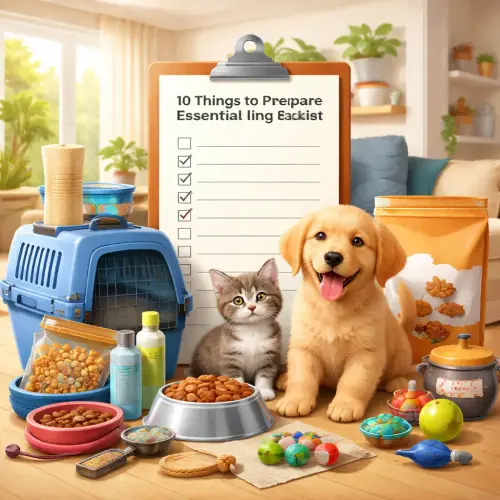
Why Planning Matters: The Cost of Not Preparing for a Pet
Every year, shelters see animals surrendered because their owners weren’t ready. Rushing into pet ownership without considering finances, space, or time often leads to heartbreak. By understanding the things to prepare before getting a pet, you can avoid common pitfalls and create a stable environment. Preparation isn’t just about buying a leash — it’s about building a routine that supports your pet’s physical and emotional health from day one. For a related guide, see 8 Common Grooming Mistakes You Should Avoid for Better Style.
Your Complete New Pet Preparation Checklist
Below are the ten must-do items to tackle before your new family member arrives. Each includes a quick tip or mini checklist so you can track your progress.
1. Research the Right Pet for Your Lifestyle
Not every pet suits every home. A high-energy dog will struggle in a small apartment without daily walks, while a shy cat might hide from a house full of kids. Take time to match your daily routine, activity level, and living space with a pet’s needs. For a related guide, see 10 Essential Cat Care Tips for Busy Owners – Easy Guide.
Tip: Visit local shelters and talk to foster families. They can give you honest insight into a pet’s personality and energy level.
2. Set a Realistic Pet Budget
Many new owners underestimate ongoing costs. Beyond the adoption fee, you will need money for food, vet checkups, vaccinations, parasite prevention, grooming, training, and emergency care. A small unexpected illness can cost hundreds or even thousands of dollars. For a related guide, see 10 Essential Home Grooming Tips for a Flawless DIY Look.
Checklist: Adoption fee, initial vet visit, spay/neuter surgery, food and treats, litter or poop bags, toys and bedding, pet insurance or savings fund.
3. Choose a Veterinarian Before You Bring Your Pet Home
Having a vet lined up before day one means you can schedule a wellness exam within 48 hours. This is critical for catching hidden health issues and starting a vaccination or prevention plan. A good vet also becomes your go-to resource for behavior and nutrition questions.
Tip: Ask friends or your local shelter for recommendations. Look for clinics that offer new-pet packages to save on the initial visit.
4. Pet-Proof Your Home Thoroughly
Pets explore the world with their mouths. Cords, toxic plants, small objects, cleaning supplies, and exposed trash can all be dangerous. Get down to floor level and see what your new pet might find interesting.
Checklist: Secure loose wires, move toxic plants out of reach, lock cabinets with chemicals, install baby gates if needed, and create a designated safe zone (like a crate or cozy corner).
5. Stock Up on Essential Supplies
Don’t wait until the last minute to buy supplies. Having everything ready helps your pet settle in without stress. For dogs, that means a properly fitted collar, leash, ID tag, bed, bowls, and appropriate toys. Cats need a litter box, litter, scratching post, and a quiet place to hide.
Tip: Buy two sets of bowls — one for food and one for fresh water. Stainless steel or ceramic are easier to keep clean than plastic.
6. Plan for Time Commitments
Pets need daily attention — feeding, exercise, play, training, and cleaning. A young puppy requires potty breaks every few hours, while a cat needs daily play and litter box scooping. Being honest about your schedule prevents resentment and neglect.
Checklist: Block out time for morning and evening walks (dogs), feeding schedule, play sessions, training practice, and grooming (brushing, nail trims).
7. Arrange Training and Socialization Early
Training isn’t just for dogs. Cats benefit from positive reinforcement too, especially for using a scratching post or carrier. Enroll in a basic obedience class before or right after adoption. Socialization — exposing your pet to different people, animals, and environments — builds confidence and reduces fear.
Tip: Look for force-free trainers who use positive methods. The American Veterinary Society of Animal Behavior recommends early socialization starting at 7-8 weeks.
8. Prepare Your Family and Other Pets
Introduce your current pets to the idea of a new arrival gradually. Swap bedding or use scent transfer so they get used to each other before meeting face-to-face. Hold a family meeting to assign responsibilities — feeding, walking, vet visits — so no one feels overwhelmed.
Tip: For multi-pet households, create separate feeding stations and quiet retreats where each animal can escape.
9. Line Up Pet Care for Vacations and Emergencies
What happens when you go on a trip or have a late meeting? Knowing your backup plan ahead of time reduces stress for everyone. Research local pet sitters, dog walkers, or boarding facilities. Ask about their experience, rates, and whether they have emergency procedures in place.
Checklist: Identify a trusted neighbor, friend, or professional sitter. Have a list of emergency contacts (vet, poison control, 24-hour animal hospital) posted on your fridge.
10. Schedule a First Vet Visit and Microchip Registration
Within the first week, take your new pet to the vet for a full exam, parasite check, and initial vaccinations. Confirm that a microchip has been placed (or arrange one) and update the registration with your current contact info. This is the single best step you can take to ensure your pet stays safe and healthy.
Tip: Ask your vet for a written vaccination schedule and a copy of the microchip registration form. Keep these with your pet records.
What Happens When You Skip Pet Preparation?
Without planning, new owners often face behavioral problems, high vet bills, and even the painful decision to rehome a pet. The main risk is overwhelm: a puppy that hasn’t been crate-trained may destroy furniture, while a cat that isn’t introduced properly might stop using the litter box. Knowing the things to prepare before getting a pet helps you anticipate these issues and address them calmly. Preparation turns a chaotic first month into a smooth transition.
Useful Resources
- ASPCA New Pet Checklist — A comprehensive guide from the American Society for the Prevention of Cruelty to Animals covering vet visits, supplies, and safety tips.
- PetMD: New Pet Checklist and Supplies — Detailed veterinary-reviewed advice on what to buy and how to prepare your home for a dog or cat.
Frequently Asked Questions About things to prepare before getting a pet
What are the most important things to prepare before getting a pet?
The most important things to prepare before getting a pet include budgeting for upfront and recurring costs, pet-proofing your home, choosing a veterinarian, stocking essential supplies, and planning for time commitments. These steps ensure your pet stays healthy and happy from day one.
How much should I budget for a new pet?
Initial costs can range from $200 to $1,000 depending on the species and adoption fees, plus $50–$200 per month for food, litter, toys, and routine vet care. An emergency fund or pet insurance is strongly recommended to cover unexpected illnesses or injuries.
Do I need to buy supplies before bringing my pet home?
Yes. Having a bed, bowls, food, collar, leash, ID tag, litter box, and toys ready reduces stress for both you and the pet. A prepared home helps your new companion settle in faster and feel secure.
How do I pet-proof my home?
Get down to floor level and look for loose cords, toxic plants, small swallowable objects, and accessible chemicals. Secure cabinets, use baby gates to block off dangerous areas, and create a quiet safe zone where your pet can retreat.
When should I take my new pet to the vet?
Schedule a wellness exam within the first 48 hours of bringing your pet home. This allows the vet to check for hidden health issues, parasitical infections, and start a vaccination or prevention plan.
Should I get pet insurance before adoption?
It’s smart to research pet insurance before you adopt, but most policies have a waiting period for coverage. Pet insurance can help manage unexpected vet bills, especially for accidents or chronic conditions.
How do I introduce a new pet to my current pets?
Use gradual introductions. Start by swapping bedding or using a baby gate so they can smell and see each other without direct contact. When they seem calm, do short supervised meetings in neutral territory. Reward calm behavior with treats.
What training should I start first?
For dogs, start with house training, crate training, and basic cues like sit, stay, and come. For cats, focus on litter box training and positive reinforcement for using a scratching post. Early socialization is equally important for both species.
How do I find a good veterinarian?
Ask local shelters, friends, or family for recommendations. Look for a clinic that offers new-pet packages and has good reviews. Schedule a tour to see if the environment feels clean and welcoming, and if the staff answers your questions clearly.
What is the best way to prepare my home for a puppy?
Puppies need a crate for safe confinement, puppy pads or a designated potty area, chew toys, and a schedule. Remove rugs that might get soiled, block off stairs, and hide electrical cords. Set up a feeding station away from high-traffic areas.
What are the first things to prepare before getting a cat?
For a cat, you need a litter box (plus extra scoops), unscented litter, food and water bowls, a scratching post, a cozy bed or perch, and interactive toys. Also, set up a quiet room with a hiding spot for the first few days to help your cat feel safe.
Do I need a microchip for my pet?
Yes, microchipping is the most reliable way to reunite with a lost pet. Collars and tags can fall off. Always register the microchip with your current phone number and address. Many shelters include microchipping in the adoption fee.
How can I tell if my home is ready for a pet?
Walk through each room with a critical eye. Are there exposed wires, toxic plants, or breakable items at mouth level? Do you have storage space for food and supplies, and a designated area for feeding and sleeping? If yes, you are likely ready.
Is it better to adopt from a shelter or buy from a breeder?
Adopting from a shelter saves a life and is generally less expensive. Many shelter animals are already spayed/neutered, vaccinated, and microchipped. Breeders may be appropriate if you have specific needs (allergies, working line), but always research reputable breeders thoroughly.
What supplies do I need for a small pet like a hamster or guinea pig?
Small pets require a large cage with solid flooring, bedding, a hideout, a water bottle, a food dish, and chew toys. Guinea pigs also need vitamin C supplements and hay. Research the specific needs of the species before purchasing.
How do I prepare for a pet with special needs?
Special needs pets (senior, disabled, or chronically ill) require extra planning. Set up a budget for ongoing meds or veterinary visits, create a comfortable and accessible living space, and connect with a vet who has experience with your pet’s condition.
How can I teach my children to be safe around a new pet?
Teach children to approach pets slowly and gently, to never disturb a sleeping or eating animal, and to respect the pet’s safe zone. Supervise all interactions until both child and pet are comfortable. Positive reinforcement works for kids and pets alike.
What should I do if my new pet is scared or hiding?
Give them space. Do not force interaction. Provide a quiet room with their bed, food, and litter or potty area. Let them come out on their own schedule. Soft toys and treats can help build trust. Most pets adjust within a few days to a week.
How do I choose the right food for my new pet?
Consult your veterinarian for food recommendations based on your pet’s age, breed, and health status. Look for brands that meet AAFCO (Association of American Feed Control Officials) standards. Avoid sudden food changes — mix new food with the old over a 7–10 day period.
What is the most overlooked thing to prepare before getting a pet?
Many people overlook organizing a backup care plan for vacations, late work nights, or emergencies. Without a reliable pet sitter or boarding option, owners face last-minute scrambling. Also, forgetting to update microchip registration after a move is a common oversight.