



essential pet supplies Key Takeaways
Walking into a pet store without a plan is a recipe for impulse buys and forgotten necessities.
- The 12 essential pet supplies every new owner must have, from basics to often-overlooked items
- Practical tips for choosing each item based on your pet’s age, size, and personality
- Common beginner mistakes and how to avoid overspending on gimmicks
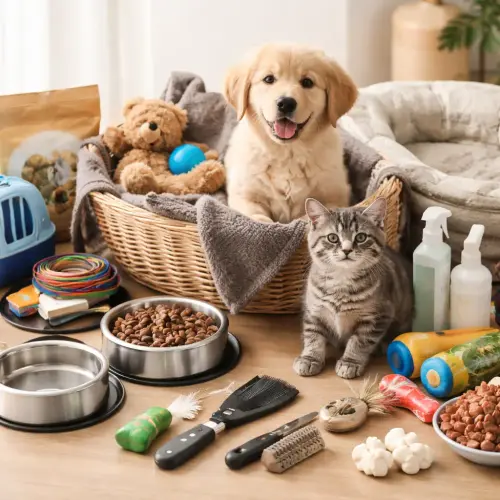
Why Preparing Your Essential Pet Supplies Ahead of Time Matters
Walking into a pet store without a plan is a recipe for impulse buys and forgotten necessities. Having the right must-have pet items ready before adoption day reduces anxiety for both you and your animal. A prepared home means fewer middle-of-the-night runs to the store and a smoother transition for your new companion.
Beyond convenience, having the correct gear from day one supports your pet’s health and training. A proper crate can prevent accidents, a suitable collar avoids injuries, and the right food prevents digestive upset. This new pet owner checklist will make sure you haven’t missed anything critical. For a related guide, see 12 Essential Questions First-Time Pet Owners Ask Vets.
The 12 Essential Pet Supplies You Can’t Skip
1. Food and Water Bowls
Start with sturdy, non-slip bowls that are easy to clean. Stainless steel is durable and dishwasher safe, while ceramic adds weight to prevent tipping. Avoid plastic bowls—they can harbor bacteria and cause chin acne in some pets. Look for raised feeders if you have a large breed dog or a senior cat with joint issues.
2. High-Quality Pet Food
Choose a food that matches your pet’s life stage (puppy/kitten, adult, senior) and has an AAFCO statement on the bag. Consult your vet for brand recommendations, but stick to well-known brands with transparent sourcing. Buy a small bag first to test your pet’s preference and digestion before committing to a large size.
3. Collar, ID Tag, and Leash
A properly fitted collar should allow two fingers to slide comfortably underneath. Attach a durable ID tag with your phone number—this is the single most important safety item for any pet. For leashes, a 4- to 6-foot nylon or leather leash gives you control without being too restrictive. Retractable leashes can be dangerous for training, so skip them as a beginner.
4. Comfortable Bed
Your pet needs a dedicated spot to feel secure. Look for a bed with a removable, machine-washable cover. For dogs, consider a bolsters bed if they like to lean on something; for cats, a cave-style bed mimics a den. Place the bed in a quiet corner away from drafts and heavy foot traffic.
5. Crate or Carrier
Crates help with house training and provide a safe space during travel or stressful events. Choose a crate large enough for your pet to stand, turn around, and lie down flat. For cats, a hard-sided carrier with a removable top makes vet visits easier. Never use the crate as punishment—it should feel like a den.
6. Grooming Tools
Grooming is about health, not just looks. A slicker brush removes loose fur and prevents mats, while a nail clipper or grinder keeps nails at a safe length. Start grooming early so your pet gets used to being handled. For short-haired pets, a rubber curry brush works well; long-haired pets need a metal comb and dematting tool. For a related guide, see 10 Essential Grooming Tips to Keep Pets Clean and Happy.
7. Litter Box and Supplies (for Cats)
If you’re getting a cat, the litter box is non-negotiable. One box per cat plus one extra is the rule of thumb. Choose an unscented clumping litter—most cats prefer fine-textured sand. Place the box in a quiet, accessible spot away from food and water bowls. Scoop daily and deep-clean weekly.
8. Poop Bags and Waste Disposal System
Dog owners need an endless supply of poop bags. Biodegradable options are better for the environment. A small bag dispenser that attaches to the leash means you’ll never be caught without one. For cat owners, a litter genie or similar odor-trapping container makes daily scooping much more pleasant.
9. Toys for Mental and Physical Stimulation
Rotate a small collection of toys to keep your pet engaged. For dogs, include a sturdy rubber toy (like a Kong) that you can stuff with treats, a tug rope, and a fetch ball. For cats, wand toys, crinkle balls, and laser pointers satisfy hunting instincts. Avoid toys with small parts that can be swallowed.
10. First Aid Kit
A basic pet first aid kit should include gauze, non-stick bandages, antiseptic wipes (not alcohol), tweezers, and a digital thermometer. Add a pet-specific first aid guide and your vet’s emergency number. You can buy a pre-assembled kit or make your own with a small tackle box.
11. Identification and Health Records Folder
Beyond the collar tag, microchipping is the most reliable form of identification. Keep your contact info updated with the microchip registry. Also start a folder for vaccination records, vet receipts, and adoption papers. Having everything in one place saves panic later.
12. Cleaning Supplies for Accidents
Enzymatic cleaners are a must for eliminating stains and odors from urine, vomit, and feces. Regular household cleaners often fail to remove the enzymatic smell, which encourages repeat accidents. Buy a large bottle and keep a roll of paper towels nearby. A handheld spot cleaner (like a Bissell Pet Stain Eraser) is worth the investment.
How to Choose the Best Essential Pet Supplies Without Overwhelm
Start by writing out your new pet owner checklist based on your specific animal. A Great Dane has different needs than a Chihuahua, and a kitten is not a miniature cat—they have unique nutritional and behavioral requirements. Stick to the basics for the first week, then add extras as you learn your pet’s preferences.
Prioritize Safety and Comfort First
Every item on this list serves a purpose related to safety, health, or mental well-being. If you’re on a tight budget, invest in the collar, ID, crate, and high-quality food first. Fancy toys and extra beds can come later. Remember that cheap collars can break, and low-quality food can lead to expensive vet bills down the road.
Avoid Common Beginner Mistakes
New owners often buy too many toys or the wrong size crate. A common mistake is assuming a puppy’s adult size from a photo—always check breed standards or ask a vet. Another pitfall is buying a bed that isn’t washable. Pets have accidents, drool, and shed, so machine-washable covers are worth the extra cost.
Useful Resources
For more detailed guidance on pet nutrition, the PetMD website offers vet-reviewed articles on feeding, health, and behavior. When selecting grooming tools, the American Kennel Club provides breed-specific recommendations that help you choose the right brush, comb, and clipper for your dog’s coat type.
Frequently Asked Questions About essential pet supplies
What is the first essential pet supply I should buy?
A collar with an ID tag is the most important safety item—it’s your best chance of being reunited if your pet gets lost.
Do I really need a crate for a cat?
Yes, a hard-sided carrier is essential for vet visits, travel, and emergencies. Cats feel safer in a confined space during stressful events.
How many toys should I buy for a new puppy?
Start with 3 to 5 different types—a chew toy, a fetch toy, a tug toy, and a treat-dispensing toy. Rotate them to keep things interesting.
Can I use human shampoo on my dog?
No, human shampoo disrupts a dog’s skin pH and can cause dryness and irritation. Use a shampoo specifically formulated for pets.
What type of food bowl is best for a cat with whisker fatigue?
Shallow, wide bowls (like saucers or flat dishes) prevent whiskers from touching the sides, reducing stress during meals.
How often should I replace my pet’s bed?
Replace when the filling becomes lumpy, flattened, or smelly—usually every 1 to 2 years depending on the quality and washing frequency.
Is a retractable leash safe for a new dog owner?
Not recommended for beginners. Retractable leashes reduce control, can cause burns, and tangle easily. A fixed 6-foot leash is safer for training.
What size crate do I need for a puppy who will grow large?
Buy a crate sized for the adult dog, but use a divider panel to limit space while the puppy is small. This helps with house training.
Do cats need a scratching post?
Absolutely. Scratching is a natural behavior that marks territory and maintains claw health. Provide a sturdy post or pad to save your furniture.
Should I buy a water fountain for my cat?
Many cats prefer moving water, which encourages them to drink more. A fountain can help prevent urinary tract issues in cats.
What’s the best way to clean pet accident stains?
Use an enzymatic cleaner specifically designed for pet urine. Blot the stain, apply the cleaner, and let it sit for 10–15 minutes before blotting again.
Do I need a pet first aid kit even if I have a human one?
Yes. Pet-specific items like a muzzle (for injured animals), a rectal thermometer, and styptic powder (to stop nail bleeding) are not in human kits.
How do I choose between a leather and nylon leash?
Leather is more durable and comfortable on hands, but nylon is lighter and easier to clean. Both are good—choose based on your dog’s pulling strength.
Is it okay to use a harness instead of a collar?
For dogs that pull or have delicate necks (like greyhounds), a harness is safer. For cats, always use a specifically designed cat harness, not a dog one.
What essential supplies do I need for a senior pet?
Orthopedic bed, raised food bowls, non-slip floor mats, joint supplements, and a harness for easier support during walks are key additions.
Should I buy a slow feeder bowl?
If your pet eats too fast and then vomits, a slow feeder bowl is a great investment. It encourages slower eating and reduces bloat risk in deep-chested dogs.
How do I know if a toy is safe?
Check that the toy is too large to be swallowed, has no loose parts or squeakers that can be pulled out, and is made from non-toxic materials.
Do I need a litter box enclosure?
Not required, but an enclosure can reduce scattered litter and odor. Make sure the entrance is large enough for your cat to enter comfortably.
What is the most forgotten essential pet supply?
Enzymatic cleaner is often overlooked until the first accident happens. Keep a bottle on hand from day one to properly clean messes.
How can I save money on essential pet supplies ?
Buy in bulk for food and litter, use auto-ship discounts from online retailers, and skip trendy items your pet may ignore. Focus on high-quality basics first.