



rainy season pet care tips Key Takeaways
Monsoon rains might bring you a cozy evening indoors, but for your four-legged friend, they can spell trouble.
- Master rainy season pet care tips to prevent skin infections and joint stiffness.
- Learn how to adjust your pet’s daily routine for indoor comfort and safety.
- Discover simple hygiene hacks that reduce the risk of fungal and bacterial issues.
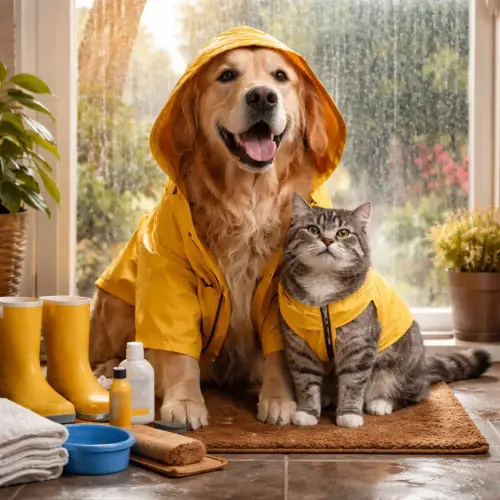
Why Every Pet Owner Needs Reliable Rainy Season Pet Care Tips
Monsoon rains might bring you a cozy evening indoors, but for your four-legged friend, they can spell trouble. Damp paws, wet fur, and stagnant water create ideal conditions for fungal infections, tick infestations, and digestive upsets. Without proper rainy season pet care tips, your pet may develop skin rashes, ear infections, or even respiratory issues. The good news? Most of these problems are preventable with a few proactive habits.
Tip #1: Keep Your Pet’s Coat and Paws Completely Dry
Moisture trapped in your pet’s fur is the single biggest culprit behind skin infections during monsoon. After every walk, use a microfiber towel to soak up water from the coat, paying special attention to paw pads, belly, and between the toes. A pet-safe blow dryer on a low, cool setting can help finish the job, especially for thick-coated breeds.
For dogs who love splashing in puddles, keep a designated “muddy paws” mat by the door. Teach them to stop and wait while you wipe each paw thoroughly. This simple routine dramatically reduces the spread of mud and bacteria inside your home.
Choosing the Right Drying Tools
Not all towels are equal. Microfiber towels absorb up to seven times their weight in water and dry quickly, preventing mildew growth. Avoid using human hair dryers on high heat — they can burn sensitive skin. Instead, invest in a pet-specific dryer with adjustable temperature and noise levels that won’t startle your furry friend.
Tip #2: Upgrade Your Pet’s Grooming Routine for Monsoon
Regular brushing becomes even more critical in the rainy season. Dead fur traps moisture and provides a breeding ground for fungus and bacteria. Brush your pet at least every other day to remove loose hair and allow the skin to breathe. For long-haired breeds, consider a sanitary trim around the paws, belly, and tail to reduce matting and drying time.
Give your pet a bath with a medicated, antifungal shampoo once every 10–14 days, or as recommended by your veterinarian. Over-bathing strips natural oils, so find a balance that keeps the coat clean without causing dryness. Always rinse thoroughly — leftover shampoo residue can irritate skin.
Tip #3: Protect Against Fleas, Ticks, and Mosquitoes
Rainy season creates a perfect environment for parasites. Fleas and ticks thrive in damp grass, while mosquitoes — carriers of heartworm disease — multiply in stagnant water. Apply a veterinarian-approved topical or oral preventive treatment year-round, but double-check the dosage and schedule before monsoon sets in.
Inspect your pet’s skin after every walk, especially around the ears, neck, and groin. If you spot a tick, remove it promptly with tweezers or a tick-removal tool, grasping as close to the skin as possible. Clean the area with antiseptic and monitor for signs of infection.
Tip #4: Adjust Exercise and Outdoor Time Smartly
Your pet still needs daily exercise, but the timing matters. Walk early in the morning or after the rain has stopped for at least an hour, when fewer puddles remain and grass is less wet. Shorten walks if the rain is heavy — your pet’s safety and comfort come first.
On days of continuous downpour, bring the fun indoors. Use puzzle toys, hide treats around the house, or teach a new trick. Mental stimulation can be just as tiring as a walk. Interactive games like fetch in a hallway or scent-tracking games keep your pet’s body and mind active without braving the storm.
Tip #5: Maintain a Clean and Dry Living Environment
Your pet’s bed, blankets, and favorite resting spots must stay dry. Wash bedding weekly in hot water to kill bacteria and dust mites. Place their bed in a draft-free area away from windows and doors where rainwater might seep in.
Use a dehumidifier in rooms where your pet spends the most time — it reduces overall moisture in the air, discouraging mold growth. Wipe down floors and surfaces with a pet-safe disinfectant regularly. If your pet has access to a balcony or patio, sweep away standing water immediately.
Tip #6: Watch for Signs of Joint Stiffness and Arthritis
Colder, damp weather can aggravate arthritis and joint discomfort in older pets. Watch for subtle signs: reluctance to climb stairs, stiffness after resting, or limping after walks. If you notice any of these, consult your vet about safe anti-inflammatory medications, joint supplements like glucosamine, or physical therapy options.
Provide extra cushioning for your pet’s bed — orthopaedic foam beds can relieve pressure on joints. Keep them warm with a lightweight dog sweater during cooler rainy days. Gentle, low-impact exercise like swimming (in a clean pool, not a puddle) helps maintain muscle strength without stressing joints.
Tip #7: Safeguard Food and Water from Contamination
Humidity and warmth accelerate bacterial growth in pet food. Store dry kibble in an airtight container in a cool, dark place. Never leave wet food out for more than an hour — bacteria multiply rapidly in warm, moist conditions. Wash your pet’s food and water bowls daily with hot, soapy water.
Change your pet’s water at least twice a day. If your pet drinks from outdoor bowls, check for mosquito larvae or debris. Stagnant water also attracts rodents and other pests, so keep all water sources clean and fresh.
Tip #8: Know When to Call the Veterinarian
Even with the best precautions, emergencies can happen. Seek veterinary help if your pet shows symptoms like persistent coughing, sneezing, lethargy, vomiting, diarrhoea, or sudden loss of appetite. Skin infections that don’t improve within a week also need professional attention.
Keep your vet’s number and the nearest emergency clinic address handy. Monsoon often brings power outages and flooding, so plan a backup route to the clinic. If your area experiences heavy storms, have a pet first-aid kit ready, including antiseptic wipes, bandages, tweezers, and any prescribed medications.
Your Monsoon Pet Care Checklist
| Area | Daily Task | Weekly Task |
|---|---|---|
| Coat and paws | Dry thoroughly after walks | Brush fur; bathe with antifungal shampoo |
| Parasite control | Check for ticks and fleas | Apply preventive treatment |
| Exercise | Short walks in dry spells; indoor play | Assess joint health; adjust activity |
| Environment | Remove standing water; clean bowls | Wash bedding; run dehumidifier |
| Health monitoring | Observe appetite and behaviour | Weigh pet; check for skin issues |
Useful Resources
Learn more about preventing monsoon-related pet illnesses from these trusted sources:
- American Veterinary Medical Association — Rainy Season Pet Safety
- VCA Hospitals — Keeping Your Pet Safe During Storms
Frequently Asked Questions About rainy season pet care tips
Can rainy weather make my pet sick?
Yes, excessive moisture and dampness can lead to skin infections, ear infections, and respiratory issues. With proper care, you can reduce these risks significantly.
How often should I bathe my dog during monsoon?
Once every 10 to 14 days using a vet-recommended antifungal shampoo is ideal. Avoid over-bathing as it strips natural oils.
Is it safe to walk my dog in light rain?
Light rain with no thunder is generally safe, but always dry your pet thoroughly afterward. Avoid walking in heavy downpours or when there’s lightning.
What should I do if my pet gets wet in the rain?
Dry them immediately with a microfiber towel, paying attention to paws, belly, and armpits. Use a pet-safe dryer on low heat if needed.
Do I need to increase parasite prevention during monsoon?
Yes, the rainy season is peak flea, tick, and mosquito activity. Ensure your pet is on a year-round preventive plan, and check for parasites after every walk.
How can I keep my pet entertained indoors on rainy days?
Puzzle toys, hide-and-seek, indoor fetch, and training new tricks are excellent ways to keep your pet physically and mentally active.
Should I change my pet’s diet in the rainy season?
No drastic changes are needed, but store food in airtight containers to prevent spoilage. Ensure fresh water is available at all times.
How do I prevent my pet from getting a urinary infection during monsoon?
Encourage regular bathroom breaks, keep the living area dry, and ensure your pet drinks plenty of clean water. Contact your vet if you notice frequent urination or discomfort.
Can I use a raincoat for my pet?
Yes, a well-fitted, breathable raincoat can help keep your pet dry during walks. Ensure it doesn’t restrict movement or cause overheating.
What are signs of a fungal skin infection in pets?
Look for red, itchy patches, hair loss, dandruff, or a musty odour. If you notice these, consult your vet for appropriate treatment.
Is it normal for my pet to sleep more during rainy weather?
Some increase in sleep is normal due to lower activity levels, but excessive lethargy combined with loss of appetite warrants a vet visit.
How can I protect my pet’s paws from wet grass and mud?
Use pet-safe paw wipes or rinse with clean water after walks. Drying between the toes prevents fungal growth. Booties can also help in muddy areas.
Can pets get colds from being in the rain?
Pets don’t catch human colds, but prolonged wetness can lower their immunity and make them more susceptible to respiratory infections. Always dry them thoroughly.
Should I keep my cat indoors during monsoon?
It’s safer to keep cats indoors during heavy rain to prevent accidents, exposure to parasites, and hypothermia. Provide plenty of indoor enrichment.
How do I clean my pet’s ears after a rainy walk?
Use a vet-recommended ear cleaner on a cotton ball. Gently wipe the outer ear — never insert anything into the ear canal. Dry ears prevent infections.
What home remedies can I use for minor skin irritation?
A diluted solution of apple cider vinegar (1:1 with water) can be applied sparingly to affected areas, but always test on a small patch first. For persistent issues, see your vet.
Does rain affect my pet’s behaviour?
Some pets become anxious during storms due to thunder or pressure changes. Create a safe, quiet space with comforting items like their bed and favourite toys.
How can I tell if my pet has a tick?
Feel for small bumps on the skin, especially around the neck, ears, and armpits. Ticks can be brown or grey and vary in size. Remove them promptly with tweezers.
Is it safe to let my pet drink from puddles?
No, puddles may contain bacteria, parasites, chemicals, or stagnant water that can cause stomach upset or infections. Always bring fresh water for your pet.
When should I take my pet to the vet during monsoon?
Seek veterinary care if you notice persistent coughing, vomiting, diarrhoea, lethargy, loss of appetite, skin sores that don’t heal, or any sudden change in behaviour.