



keep pets cool in summer Key Takeaways
As temperatures rise, knowing how to keep pets cool in summer is essential for every pet owner.
- Learn the top 12 ways to keep pets cool in summer , including indoor cooling stations and outdoor safety tips.
- Understand the critical difference between heat exhaustion and heatstroke — and how to respond in an emergency.
- Discover breed-specific risks and how to adjust cooling methods for brachycephalic dogs, senior cats, and small pets.
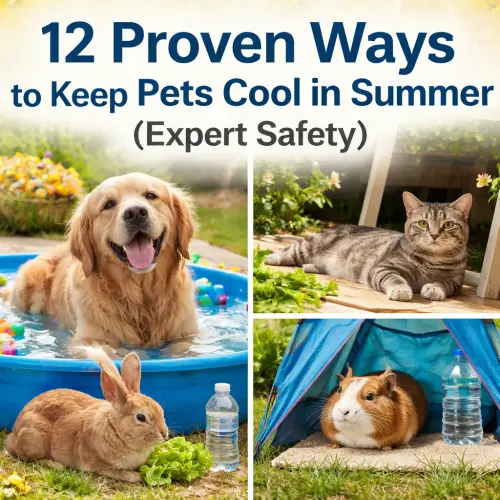
Understanding Why You Need to Keep Pets Cool in Summer
Pets regulate body temperature differently than humans. Dogs and cats primarily cool themselves through panting and limited sweat glands in their paw pads. This makes them far more vulnerable to high heat and humidity. When ambient temperature approaches or exceeds their body temperature (around 100–102°F for dogs and cats), they lose the ability to cool down effectively.
Brachycephalic breeds like Bulldogs, Pugs, and Persian cats are at even higher risk due to their narrowed airways. Senior pets, overweight animals, and those with heart or respiratory conditions also struggle more in hot weather. Understanding these vulnerabilities is the first step to preventing heat-related illness.
Know the Signs of Overheating
Early signs include excessive panting, drooling, lethargy, and bright red gums. As heatstroke progresses, you may see vomiting, diarrhea, disorientation, and collapse. Immediate veterinary care is crucial if you suspect heatstroke. While waiting for help, move the pet to a shaded area and apply cool (not cold) water to the body to lower temperature gradually.
12 Proven Ways to Keep Pets Cool in Summer
1. Provide Constant Access to Fresh, Cool Water
Hydration is the foundation of any plan to keep pets cool in summer. Change water at least twice a day and use stainless steel or ceramic bowls, which stay cooler than plastic. Place multiple bowls around the house and yard so your pet always finds water easily. Consider adding ice cubes on especially hot afternoons — many pets love playing with them, which encourages drinking.
2. Set Up Indoor Cooling Stations
Create a dedicated cool zone inside your home. Use a fan aimed at a tile floor or a cooling mat (self-cooling or gel-based) for your pet to lie on. A damp towel layered over a crate floor or bed also works well. For cats, a window perch with a fan nearby can be a popular spot. Rotate cooling mats between the freezer to keep them effective throughout the day.
3. Avoid Peak Heat Hours for Walks and Exercise
Walk your dog early in the morning or after sunset when pavement temperatures drop below 85°F. Place the back of your hand on the pavement for five seconds — if it’s too hot for your hand, it’s too hot for your dog’s paw pads. Stick to grass or dirt trails when possible. For cats, encourage indoor play during midday and save outdoor time for cooler hours.
4. Use Cooling Apparel and Accessories
Cooling vests, bandanas, and collars use evaporative cooling technology to lower body temperature naturally. Soak them in water, wring out excess, and place on your pet before outdoor activity. These are especially helpful for dogs who need mid-day bathroom breaks or for long car rides. For small pets, a chilled ceramic tile in their cage offers a cool resting surface.
5. Never Leave Pets in a Parked Car
Cars heat up rapidly even in mild weather. On a 75°F day, the interior can reach 100°F within 10 minutes. Cracking windows does not help significantly. If you must run an errand, leave your pet safely at home. Many states have laws that allow bystanders to break a car window to rescue an animal in distress — heatstroke in a hot car is fatal in minutes. For a related guide, see 15 Common Pet Owner Mistakes and How to Avoid Them (Expert.
6. Offer Frozen Treats and Enrichment
Frozen treats are a fun way to keep pets cool in summer while also providing mental stimulation. Freeze low-sodium chicken broth (without onions or garlic) in ice cube trays, or blend plain yogurt with pet-safe fruits like blueberries and freeze in silicone molds. For dogs, try stuffing a Kong toy with wet food, pumpkin puree, or peanut butter (xylitol-free) and freezing it. Cats enjoy frozen tuna water cubes or small pieces of cooked chicken. For a related guide, see 12 Essential Bathing Tips for Dogs and Cats: Expert Advice.
7. Provide Shade in Outdoor Spaces
If your pet spends time in the yard, ensure there is adequate shade throughout the day. A tree, awning, or doghouse with proper ventilation works, but remember that shade moves. A well-placed pop-up canopy provides consistent coverage. Never tether a pet in direct sunlight. For small pets like rabbits or guinea pigs, move their hutch to a shaded area and cover part of it with a light towel.
8. Groom Smart for Summer
Brushing your pet regularly removes loose fur and improves air circulation to the skin. However, avoid shaving double-coated breeds like Huskies, Golden Retrievers, and Pomeranians. Their coat insulates against both cold and heat. Shaving can disrupt temperature regulation and increase sunburn risk. Instead, ask a groomer for a “summer trim” that leaves at least an inch of fur. For cats, regular brushing reduces hairballs during shedding season.
9. Use Cooling Mats and Damp Towels
Cooling mats — both pressure-activated and gel-based — are simple, non-toxic tools to keep pets cool in summer. They require no electricity and stay cool for hours. Place one near your pet’s favorite resting spot. A damp towel (not soaking wet) placed directly on the floor works similarly. Avoid using ice packs or very cold water, which can constrict blood vessels and actually slow heat loss.
10. Keep Indoor Air Moving
A stagnant, humid room traps heat. Use fans or air conditioning to create a comfortable environment. Ceiling fans combined with floor fans can create a cross-breeze. If you don’t have AC, keep curtains and blinds closed during the hottest part of the day. A cheap portable air conditioner or swamp cooler in the room your pet occupies most can make a significant difference.
11. Make Water Play Safe and Fun
Many dogs love splashing in a kiddie pool or running through a sprinkler. Supervise water play to prevent slipping or drinking pool water, which can contain bacteria or chemicals. For cats, a dripping faucet or a shallow dish with a few floating toys can encourage interest. Always dry your pet’s ears thoroughly after water play to reduce the risk of ear infections.
12. Know Emergency First Aid for Heatstroke
Despite your best efforts, emergencies can happen. If your pet shows signs of heatstroke, move them to a cool area immediately. Apply cool (not ice-cold) water to their body, especially the head, neck, and paw pads. Use wet towels under the armpits and between the hind legs. Offer small amounts of water or let them lick ice cubes. Do not force large amounts of water — it can cause vomiting. Transport to a veterinarian as quickly as possible for monitoring and fluid therapy.
When to Check With Your Veterinarian
If your pet has a pre-existing condition such as heart disease, kidney issues, or breathing difficulties, always consult your vet before implementing new cooling methods. Some medications can also affect temperature regulation. A quick phone call can help you tailor the strategies above to your pet’s specific needs.
Useful Resources
For more detailed guidance on heat safety for pets, visit the American Veterinary Medical Association’s Hot Weather Pet Safety page. The ASPCA also offers a helpful Hot Weather Tips article covering additional tips for dogs, cats, and small pets.
Frequently Asked Questions About keep pets cool in summer
How can I keep my dog cool during the summer?
Provide plenty of fresh water, walk during cooler hours, use a cooling vest, and never leave them in a parked car. Indoor cooling stations with fans and cooling mats are also effective.
What temperature is too hot for dogs?
Generally, temperatures above 85°F are risky, especially with humidity. For brachycephalic breeds and senior dogs, risks increase above 75°F. Always check pavement temperature before walks.
Can I give my dog ice cubes in hot weather?
Yes, ice cubes are safe for most dogs and can encourage hydration. Some dogs enjoy crunching them, but offer small amounts initially to prevent choking. Flavored ice cubes with low-sodium broth can be extra appealing.
How do I know if my cat is too hot?
Signs include open-mouth panting, rapid breathing, lethargy, drooling, and seeking cool surfaces like tile or bathtubs. Cats are masters at hiding discomfort, so monitor closely during heat waves.
Is shaving my double-coated dog safe for summer?
No, shaving a double-coated dog can disrupt natural insulation and increase sunburn risk. A professional “summer trim” that leaves 1–2 inches of fur is safer. Regular brushing to remove loose undercoat is better.
Can I use a fan to cool my rabbit in summer?
Yes, but ensure the fan is not pointing directly at the rabbit for extended periods. Place a damp towel over part of the cage so the fan blows across it, creating a gentle cooling effect without drafts.
What are the signs of heatstroke in dogs?
Excessive panting, dark or bright red gums, drooling, vomiting, diarrhea, weakness, disorientation, and collapse. Heatstroke is a medical emergency — immediate veterinary care is required.
How can I keep my outdoor cat cool?
Provide shaded areas, multiple water bowls, and a sheltered spot with airflow. A shallow dish of water for paw dipping can help. Consider bringing them indoors during extreme heat.
How long does it take for a dog to overheat in a car?
On a 75°F day, a car can reach 100°F within 10 minutes, and over 120°F within 30 minutes. Cracking windows does little to slow this. Never leave a pet in a parked car, even for a short errand.
Can I use a cooling mat for my guinea pig?
Yes, guinea pigs are very sensitive to heat. A ceramic tile or a gel cooling mat placed in a shaded part of the cage works well. Check the tile temperature with your hand first to ensure it’s not too cold.
What is the best time to walk my dog in summer?
Early morning before 8 a.m. or evening after sunset, when temperatures are lower and pavement cools down. Use the hand test: if pavement is too hot for your hand for 5 seconds, it’s too hot for your dog’s paws.
How do I make frozen treats for my pet?
Mix plain yogurt, pumpkin puree, or low-sodium chicken broth with pet-safe fruits like blueberries. Pour into ice cube trays or silicone molds and freeze. For dogs, KONG stuffers work great. For cats, use tuna water or chicken broth.
Should I use a cooling vest for my dog?
Yes, cooling vests are effective for active dogs, especially during outdoor activities. Look for vests that use evaporative cooling and require soaking in water. Supervise your dog to ensure they don’t overheat while wearing it.
How can I keep my hamster cool in summer?
Place the cage in a well-ventilated area away from direct sunlight. Provide a ceramic hideout or a small piece of tile for your hamster to lie on. Never use a fan directly on the cage. Offer fresh, cool water daily.
What are the best cooling mats for pets?
Pressure-activated mats like The Green Pet Cool Mat and gel-filled mats such as the K and H Pet Products Cool Bed are highly rated. Both types are chew-resistant and require no electricity. Always follow the manufacturer’s instructions.
Can I give my pet a cold bath to cool them down?
A cool (not cold) bath can help lower body temperature safely. Avoid ice water or very cold water as it can constrict blood vessels and trap heat. Use lukewarm to cool water and dry your pet well afterward.
How do I protect my pet from sunburn?
Pets with short, light-colored fur are most at risk. Apply pet-safe sunscreen to areas with less fur: ears, nose, and belly. Avoid zinc oxide and oxybenzone. Use a physical sun barrier like a UV-blocking shirt for dogs who spend time in the sun.
What should I do if my pet is panting excessively?
Move your pet to a cool area, offer fresh water, and use a fan to create airflow. If panting continues for more than a few minutes or is accompanied by other symptoms, contact your veterinarian immediately.
Can I exercise my dog in the heat?
Yes, but keep exercise levels low during peak heat. Stick to short walks in the morning or evening, and avoid high-intensity activities like running or fetch. Watch for signs of heat stress and take breaks in the shade.
How do I keep my pet cool without air conditioning?
Use fans strategically, keep curtains closed during the day, and provide cooling mats or damp towels. Freeze water bottles and wrap them in a towel for your pet to lean against. Offer frozen treats and multiple water bowls.