



warning signs of heatstroke in pets Key Takeaways
Heatstroke is a life-threatening emergency that can strike any pet in minutes—especially dogs and cats with flat faces, thick coats, or underlying health conditions.
- The warning signs of heatstroke in pets include excessive panting, drooling, weakness, vomiting, and collapse. Acting fast can prevent organ damage.
- Not all pets show the same symptoms: cats often hide while dogs may become restless or disoriented first.
- Immediate cooling methods (not ice water) and transport to a veterinarian are the only safe responses once moderate to severe signs appear.
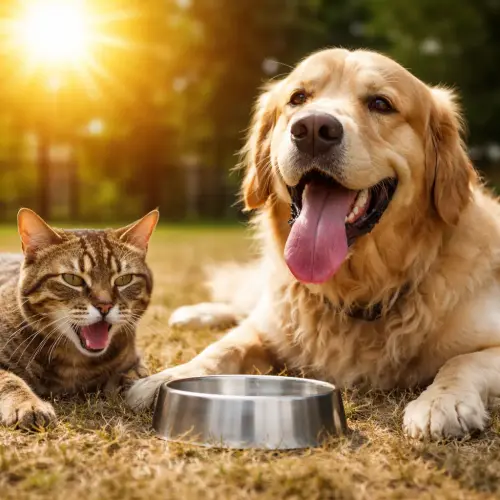
Why Every Pet Owner Must Know the warning signs of heatstroke in pets
In just 10 to 15 minutes of exposure to high heat, a pet’s body temperature can rise from a normal 101–102°F to a critical 106°F or higher. At that point, internal organs begin to fail, and the chance of survival drops dramatically. That is why learning the warning signs of heatstroke in pets is not optional—it is a core part of responsible pet ownership during warmer months. For a related guide, see 8 Signs Your Dog Is Sick: A Trusted Checklist for Pet Owners.
Keep in mind that heatstroke does not only happen when a pet is left in a parked car. It can also occur during an afternoon walk on hot pavement, while playing fetch in the backyard without shade, or even inside a poorly ventilated home during a heatwave.
Which Pets Are Most at Risk
While any pet can overheat, certain groups need extra vigilance. Brachycephalic (flat-faced) breeds such as Bulldogs, Pugs, Persian cats, and Shih Tzus have shorter airways that make panting less efficient. Senior pets, overweight animals, and those with heart or respiratory conditions are also more vulnerable. Even young, healthy pets can develop heatstroke if they overexert themselves in hot conditions.
The 8 Critical warning signs of heatstroke in pets You Should Never Ignore
The progression of heatstroke can be subtle at first. Watch for these signs in order of severity, and remember: if you see more than one, it is time to act immediately.
1. Excessive Panting and Open-Mouth Breathing
Panting is normal after exercise, but when it becomes rapid, loud, or continuous even after resting in the shade, it signals that your pet is struggling to cool down. A dog or cat that cannot catch its breath and refuses water may be in the early stage of overheating.
2. Thick, Sticky Saliva or Excessive Drooling
Profuse drooling, especially with thick or ropey saliva, is a common pet heatstroke symptom. Cats may drool less noticeably, but look for wetness around the mouth and chin combined with other signs.
3. Bright Red or Pale Gums and Tongue
Healthy gums should be pink and moist. In heatstroke, the gums and tongue can turn bright red (due to blood vessel dilation) and then become pale or blue-tinged as shock sets in. This change is a serious indicator that the body is losing its ability to regulate temperature.
4. Weakness, Stumbling, or Difficulty Standing
When a pet becomes wobbly or unwilling to stand up, it means muscle function is already compromised. This is one of the clearest heatstroke warning signs that separates simple overheating from a medical emergency. For a related guide, see 8 Warning Signs Your Pet Needs Emergency Care in Manila.
5. Vomiting or Diarrhea (Often with Blood)
Gastrointestinal upset is a direct response to internal organ stress. Vomiting or diarrhea, particularly with streaks of blood, indicates that the intestinal lining is being damaged. Do not wait to see if it passes—this requires immediate veterinary care.
6. Disorientation or Mental Dullness
A pet that seems confused, stares blankly, does not respond to its name, or walks in circles is suffering from brain swelling. This is one of the most alarming warning signs of heatstroke in pets because it means the central nervous system is affected.
7. Rapid Heart Rate or Irregular Pulse
You may feel your pet’s heart racing through the chest wall. A normal resting heart rate for dogs ranges from 60 to 140 beats per minute (smaller dogs faster, larger dogs slower). Heatstroke can push it far above that. A weak or irregular pulse is even more concerning.
8. Collapse, Seizures, or Unconsciousness
If your pet collapses, has a seizure, or loses consciousness, you are in a code-red emergency. At this stage, cooling at home is not enough—they need a veterinarian trained in heatstroke management and IV fluids immediately.
Immediate First Aid for pet heatstroke symptoms
The moment you spot any combination of these signs, stop all activity. Move your pet to a shaded or air-conditioned area. Offer small amounts of cool (not cold) water. You can place cool, wet towels on the neck, armpits, and groin area, but never use ice or extremely cold water—that constricts blood vessels and traps heat inside. Use a fan to increase airflow.
Do not force water into a pet that is unable to swallow, and do not submerge them in cold water, which can cause shock. Once you have started cooling, call your veterinarian or the nearest emergency clinic and transport the pet safely.
When to Seek Emergency Veterinary Care
Any pet that shows signs 4 through 8, or that does not improve within 10 minutes of first aid, needs to see a vet. Even pets that seem to recover after cooling can have delayed organ damage. A veterinarian will check for secondary complications such as kidney failure, clotting abnormalities, or brain swelling.
Preventing Heatstroke: Practical Tips for Hot Weather
The best treatment for heatstroke is prevention. Use this simple checklist to keep your pets safe when temperatures climb.
| Preventive Measure | Why It Matters |
|---|---|
| Never leave a pet in a parked car | Temperatures inside a car can reach 120°F in minutes, even with windows cracked. |
| Walk early morning or late evening | Pavement can be hot enough to burn paw pads and raise body temperature. |
| Provide constant access to fresh, cool water | Hydration helps regulate internal temperature. |
| Use cooling mats or bandanas | Active cooling products can keep body temperature in the safe range during outdoor time. |
| Never leave a pet confined to an unventilated room | Heat can build up indoors without air movement. |
| Know your pet’s breed-specific risks | Flat-faced breeds and thick-coated breeds overheat faster. |
Cooling Accessories Worth Considering
Products like the Green PetShop Cool Pet Mat or Ruffwear Swamp Cooler evaporative vest can provide extra safety margin during walks. While they are not a replacement for common sense, they help lower baseline body temperature on hot days.
Useful Resources
For more detailed information on heatstroke prevention and treatment, the American Veterinary Medical Association provides a comprehensive guide for pet owners. Visit their resource at AVMA Pet Heatstroke Tips.
The American Kennel Club also offers breed-specific advice for managing heat sensitivity. Check their article Heatstroke in Dogs for additional warning signs and safety recommendations.
Recognizing the warning signs of heatstroke in pets is one of the most valuable skills you can learn as a pet owner. By acting quickly and knowing when to go to the vet, you can turn a potential tragedy into a story of survival. Stay safe, and keep your pets cool all summer long.
Frequently Asked Questions About warning signs of heatstroke in pets
What is the first thing you should do if you suspect heatstroke in your pet?
Move the pet to a cool, shaded or air-conditioned area immediately. Offer cool (not ice-cold) water. Place cool, wet towels on the neck, armpits, and groin. Do not use ice. Then call your veterinarian for further instructions.
Can cats get heatstroke as easily as dogs?
Yes, though cats often hide symptoms until the condition becomes serious. They are less likely to pant vigorously, so watch for lethargy, drooling, vomiting, and hot ears or paw pads.
How long does it take for a pet to develop heatstroke?
It can happen in as little as 10–15 minutes in a hot car or during intense exercise on a warm day. Factors like humidity, lack of shade, and the pet’s health status alter the timeline.
Is it safe to put ice water on my overheated pet?
No. Ice or extremely cold water causes blood vessels to constrict, which traps heat inside the body. Use cool (not cold) water and fan-assisted airflow for safer cooling.
What temperature is considered heatstroke for a dog or cat?
A normal body temperature for pets is between 100°F and 102.5°F. Any reading above 104°F is a cause for concern, and above 106°F is considered an emergency requiring immediate veterinary care.
What are the early warning signs of heatstroke in dogs?
Early signs include excessive panting, heavy drooling, bright red gums, restlessness, and seeking cool surfaces. If you notice these, stop activity and provide water and shade.
Can a pet recover from heatstroke on its own?
Mild cases can resolve with prompt cooling and rest, but moderate to severe heatstroke damages organs and requires veterinary treatment. Even if your pet seems better, internal damage may still be present.
How do veterinarians treat heatstroke in pets?
Treatment typically includes IV fluids, oxygen therapy, cooling measures, and monitoring of kidney and liver function. In severe cases, plasma transfusions or medications to protect organs may be needed.
What should I do if my pet stops breathing from heatstroke?
Start CPR if you are trained, and continue cooling efforts at the same time. Have someone call your veterinarian and an emergency clinic while you perform rescue breathing and chest compressions.
Are flat-faced dogs more prone to heatstroke?
Yes. Breeds like Bulldogs, French Bulldogs, Pugs, and Cavalier King Charles Spaniels have shortened airways that make panting less effective. They overheat more quickly and should be kept cool during hot weather.
Can my pet get heatstroke even if he is inside the house?
Yes. During extreme heatwaves, homes without air conditioning can reach dangerous temperatures. Make sure your pet has access to a cool room, fans, and fresh water. Never confine a pet to a closed room with no air circulation.
What is the difference between heat exhaustion and heatstroke in pets?
Heat exhaustion is the milder stage with heavy panting, drooling, and fatigue. Heatstroke involves body temperature above 106°F, organ stress, vomiting, and disorientation. Heatstroke is a life-threatening emergency.
How can I prevent heatstroke during walks in summer?
Walk early in the morning or after sunset when temperatures are lower. Avoid hot pavement by touching it with your palm—if it is too hot for your hand, it is too hot for paw pads. Bring water and take frequent breaks in the shade.
Are cooling vests or bandanas effective for dogs?
Yes, products like evaporative cooling vests and bandanas help lower body temperature during outdoor activity. They are not a substitute for common sense, but they add an extra layer of safety on moderate heat days.
Can I give my dog ice cubes to cool down?
Small ice cubes are fine for most dogs to lick or crunch, but avoid large blocks that could cause choking. Offer cool water as the primary method—ice alone is not enough for moderate to severe overheating.
How do I check my pet’s temperature at home?
Use a rectal digital thermometer lubricated with petroleum jelly. Insert about one inch and hold for the recommended time. Normal is between 100°F and 102.5°F. Ear thermometers are less reliable for this purpose.
What are the long-term effects of untreated heatstroke in pets?
Untreated heatstroke can cause permanent kidney damage, neurological deficits, clotting disorders, or even death. Some pets may survive but require lifetime management of organ dysfunction.
Is it safe to travel with a pet in the car during summer?
Yes, with precautions: never leave the pet unattended, use sun shades on windows, keep the air conditioning on, and stop for water breaks. Consider travel crates with good ventilation.
Can certain medications make a pet more prone to heatstroke?
Yes. Diuretics, some heart medications, and certain thyroid treatments can affect a pet’s ability to regulate temperature. Always ask your veterinarian about heat sensitivity risks when starting a new medication.
What should I tell the veterinarian when I arrive with a heatstroke emergency?
Tell them the time of exposure, the pet heatstroke symptoms you observed in order, how long the cooling efforts lasted, and whether the pet vomited or lost consciousness. This helps them choose the right treatment fast.