



Signs Your Pet Needs More Attention Key Takeaways
Our pets can’t speak our language, but they communicate their emotional and physical needs constantly.
- Common warning behaviors like destructive chewing, excessive barking, and sudden clinginess are clear Signs Your Pet Needs More Attention .
- Ignoring these signs can lead to stress, anxiety, and even health problems for your furry friend.
- Simple daily changes, like dedicated playtime and mental enrichment, can dramatically improve your pet’s well-being.
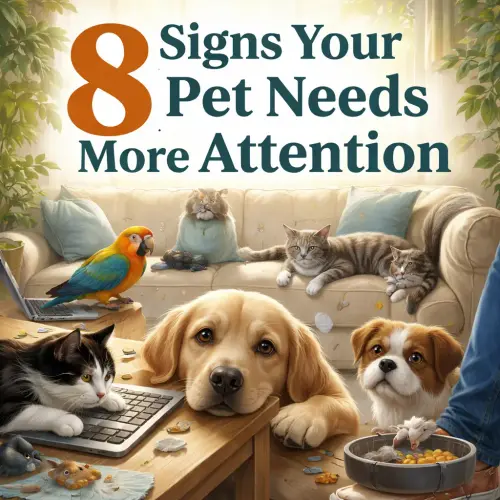
Why Recognizing Signs Your Pet Needs More Attention Matters
Pets thrive on routine, companionship, and mental stimulation. When that balance tips — perhaps due to a new work schedule, a move, or a new family member — they often signal their distress. Missing these signals can lead to behavior problems and a strained relationship. Conversely, acting promptly on Signs Your Pet Needs More Attention deepens trust and prevents long-term issues. For a related guide, see 10 Reasons Pets Develop Behavioral Issues – Avoid These.
Veterinarians and animal behaviorists agree that most behavioral problems stem from unmet social, physical, or mental needs. By learning what to watch for, you become a more empathetic and effective pet parent. Below are the eight most telling behaviors that indicate your pet is asking for more of your time.
1. Excessive Barking, Whining, or Meowing
Vocalization is a primary tool for pets. A dog that barks at the door or a cat that meows at dawn isn’t necessarily being annoying — they may be saying, “I’m lonely.” When quiet pets suddenly become noisy, or when vocalizations seem directed at you, it’s often one of the first Signs Your Pet Needs More Attention.
What to Look For
Is the barking constant or triggered by your departure? Does your cat follow you meowing even after feeding? If the behavior subsides when you engage, it’s likely attention-seeking rather than a medical issue.
Actionable Advice
Schedule a short “connection session” before you leave: five minutes of cuddles or a quick game. For cats, a puzzle feeder can shift their focus from vocalizing to a rewarding task.
2. Destructive Chewing, Scratching, or Digging
When a dog shreds a couch cushion or a cat claws the curtains, it’s easy to get frustrated. Yet destruction is often a cry for engagement. Boredom and pent-up energy are classic Signs Your Pet Needs More Attention. Without an outlet, they create their own — usually your furniture.
Redirect the Energy
Provide appropriate outlets like durable chew toys, scratching posts, and interactive games. Increase daily exercise or add a second walk. A tired pet is a well-behaved pet.
3. Clinginess or Following You Everywhere
A pet that shadows your every step — even to the bathroom — may feel insecure about your presence. While some breeds are naturally Velcro-like, a sudden increase in clinginess is worth noting. This is one of the more subtle Signs Your Pet Needs More Attention.
Finding Balance
Encourage independence by offering a cozy bed near your workspace. Use a treat-filled toy to keep them occupied while you’re busy. Reward calm, separate moments so they learn that solitude can be safe and enjoyable.
4. Accidents in the House (After Being House-Trained)
A house-trained pet that starts urinating or defecating inside is communicating stress, not rebellion. Medical issues should always be ruled out first, but separation anxiety is a common cause. Accidents are a strong indicator among Signs Your Pet Needs More Attention. For a related guide, see 10 Warning Signs Your Pet Is Dehydrated – Expert Checklist.
Addressing the Root
Review your pet’s daily schedule. Is someone home less often? Has playtime been cut short? Re-establish a consistent routine and consider a dog walker or pet sitter for longer absences. Patience and positive reinforcement are critical.
5. Excessive Licking, Grooming, or Pacing
Repetitive behaviors like paw licking, tail chasing, or pacing are often stress displacement activities. When these persist without an apparent physical cause, they are reliable Signs Your Pet Needs More Attention — and possibly anxiety.
Break the Cycle
Introduce mental enrichment: scent games, trick training, or a new walking route. For dogs, a frozen Kong or snuffle mat can provide soothing distraction. If the behavior doesn’t improve, consult a veterinarian or certified animal behaviorist.
6. Sudden Aggression or Irritability
A normally friendly pet that growls, hisses, or snaps when approached may be overwhelmed by loneliness or frustration. Aggression can be redirected frustration from unmet needs. This is a serious indicator among Signs Your Pet Needs More Attention and should not be punished.
Safety and Solutions
Never scold an aggressive outburst. Instead, evaluate recent changes in routine. Increase interactive play and consider calming aids like pheromone diffusers. A veterinary behaviorist can help if aggression is escalating.
7. Lack of Interest in Play or Food
Depression affects pets just as it does people. When your once-playful dog ignores their favorite ball or your cat snubs treats, they may be suffering from emotional neglect. Withdrawal is a quieter but poignant set of Signs Your Pet Needs More Attention.
Re-Engage Gently
Start with short, low-pressure play sessions. Use high-value treats to spark interest. For cats, wand toys can reignite the hunting instinct. If lethargy persists beyond a few days, consult a vet to rule out illness.
8. Hyperactivity or Zoomies at Odd Times
While a burst of energy (zoomies) is normal, chronic hyperactivity — especially right when you return home — can signal a backlog of excitement and need for engagement. These explosions of energy are often overlooked Signs Your Pet Needs More Attention.
Channel the Energy
Incorporate structured play at predictable times each day. A tired pet is less likely to bounce off walls. Consider agility, fetch, or a flirt pole for dogs; for cats, laser pointer sessions or climbing trees can burn off steam.
How to Respond When You Spot Signs Your Pet Needs More Attention
Noticing these behaviors is only half the battle. A thoughtful response makes all the difference. Here are three actionable steps to strengthen your bond.
Step 1: Audit Your Daily Routine
Track how much focused time you spend with your pet each day. Aim for at least 15–20 minutes of dedicated, distraction-free interaction. This doesn’t include passive co-existence in the same room.
Step 2: Increase Mental and Physical Enrichment
Add puzzle toys, training sessions, new walking routes, or playdates with other animals. A mentally stimulated pet is significantly less likely to develop attention-seeking problems.
Step 3: Rule Out Medical Causes
Always consult a veterinarian when behaviors change suddenly. Pain, illness, or cognitive decline can mimic Signs Your Pet Needs More Attention. Health comes first.
Useful Resources
For more in-depth guidance on pet behavior, the ASPCA’s guide to common dog behavior issues offers practical solutions. Cat owners can benefit from the Catster behavior archive, which covers everything from scratching to separation anxiety.
Frequently Asked Questions About Signs Your Pet Needs More Attention
Paying attention to Signs Your Pet Needs More Attention is not about perfection — it’s about showing up consistently. Small adjustments in your daily routine can transform a stressed pet into a secure, joyful companion. Your pet depends on you to read their signals, so listen closely and respond with love.
Frequently Asked Questions About Signs Your Pet Needs More Attention
What are the most common signs my pet needs more attention?
The most common Signs Your Pet Needs More Attention include excessive barking, destructive chewing, clinginess, potty accidents, repetitive licking, sudden aggression, withdrawal, and hyperactivity. Each behavior signals unmet emotional or physical needs. For a related guide, see 8 Signs Your Pet Is Bored: Simple Ways to Spot and Fix It.
How much attention does a dog need daily?
Most dogs benefit from at least 30 to 60 minutes of focused interaction each day. This includes walks, playtime, training, and cuddles — not just co-existing in the same room.
Can a cat show signs of needing more attention?
Absolutely. Cats may meow excessively, scratch furniture, follow you, or stop using the litter box. They need mental stimulation, vertical space, and quality time with their humans.
Is destructive behavior always a sign of neglect?
Not always. It can also stem from teething, boredom, or medical issues. However, when destruction coincides with other Signs Your Pet Needs More Attention, it’s worth evaluating your pet’s daily engagement.
What should I do if my pet suddenly becomes aggressive?
Do not punish aggression. Consult a veterinarian to rule out pain, then work with a certified animal behaviorist. Inconsistent attention can sometimes trigger frustration-based aggression.
How can I tell if my pet is depressed?
Signs of pet depression include loss of interest in play, decreased appetite, excessive sleeping, hiding, and changes in vocalization. These can also be Signs Your Pet Needs More Attention or a medical issue.
Does my pet need attention every single day?
Yes. Pets are social creatures and routine interaction is essential for their mental health. Even 15 minutes of focused time can make a significant difference.
What is the best way to give my pet attention?
Quality trumps quantity. Engage in activities your pet loves — fetch, tug, hide-and-seek, training, or grooming. The key is being fully present, not distracted by screens or work.
Can too much attention be bad for my pet?
Constant attention without boundaries can create over-dependence and separation anxiety. Balance affection with independent play and alone time for a well-adjusted pet.
What are the signs of separation anxiety in pets?
Signs include excessive barking when you leave, destructive behavior near exits, potty accidents despite being trained, and frantic greetings when you return. These are serious Signs Your Pet Needs More Attention and possible anxiety.
Do different breeds have different attention needs?
Yes. High-energy breeds like Border Collies and Siberian Huskies need more physical and mental stimulation. Independent breeds like Shiba Inus or some cat breeds may require structured engagement rather than constant companionship.
Can a lack of attention cause health problems?
Chronic stress from neglect can weaken the immune system, contribute to gastrointestinal issues, and exacerbate skin conditions. Meeting emotional needs is part of preventive healthcare.
What if I work long hours? Can my pet still be happy?
Yes, with good planning. Use dog walkers, pet sitters, interactive toys, and puzzle feeders. Enrichment and routine can keep your pet content even when you’re away.
How do I reintroduce attention after a busy period?
Go slowly. Re-establish a predictable routine with short, positive sessions. Increase time together gradually to avoid overwhelming your pet. Be consistent and patient.
Do senior pets need as much attention?
Senior pets still need love and mental stimulation, though intensity may decrease. Gentle play, shorter walks, and comfort-rich interaction are especially important for older animals.
Can a second pet help if I’m busy?
A companion can provide social interaction, but it’s not a substitute for quality time with you. Carefully consider introductions, personalities, and added responsibility before adopting.
What are the first steps to stop attention-seeking barking?
Ignore the barking, then reward quiet moments. Ensure your dog gets enough exercise and mental stimulation. If the behavior persists, consult a trainer to rule out anxiety.
How do I know if it’s attention-seeking or a medical problem?
If the behavior is new, sudden, or accompanied by physical symptoms (vomiting, limping, changes in appetite), see a vet first. Attention-seeking tends to improve when you increase engagement.
Can training help if my pet shows signs of needing more attention?
Absolutely. Positive reinforcement training channels energy productively and strengthens your bond. Even five minutes of trick training daily can reduce problem behaviors.
What’s the best resource for understanding pet behavior?
Professional organizations like the American College of Veterinary Behaviorists and certified applied animal behaviorists offer excellent guidance. Books by authors like Patricia McConnell or Karen Pryor are also highly recommended.