



signs your pet needs more exercise Key Takeaways
Below are the nine key behaviors that suggest your pet is under-exercised and under-stimulated.
- Destruction, zoomies, and excessive barking often point to unmet pet exercise needs .
- Mental enrichment (like puzzle toys) is just as important as physical activity for pet mental stimulation .
- Incremental changes in your routine can dramatically improve your pet’s behavior and health.
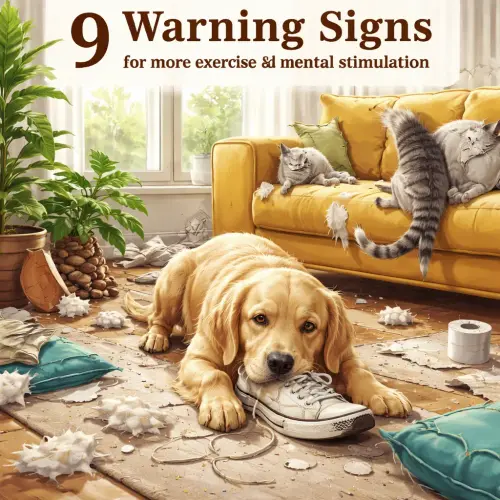
Why Recognizing the signs your pet needs more exercise Matters
As a pet parent, you want your furry friend to be happy and healthy. However, modern lifestyles often lead to less exercise for our pets. When a dog or cat doesn’t get enough physical activity or brain work, they find their own ways to burn off energy — and those ways usually involve your furniture, shoes, or peace of mind. Understanding these signs early helps you adjust their routine before bad habits set in.
Many owners mistake boredom or hyperactivity for a “naughty” personality. In reality, these behaviors are often a direct cry for more movement and play. By tuning into the signals your pet gives you, you can improve their quality of life and strengthen your bond. Let’s walk through the nine most common indicators.
9 Common signs your pet needs more exercise and How to Fix Them
Below are the nine key behaviors that suggest your pet is under-exercised and under-stimulated. For each sign, we offer practical solutions to address both pet exercise needs and pet mental stimulation.
1. Destructive Chewing or Scratching
Dogs chewing on baseboards and cats scratching the couch are classic signs your pet needs more exercise. When bored or restless, they target objects that offer satisfying textures. A tired pet is a well-behaved pet, so increasing their daily walk or adding a play session often reduces this behavior. Provide appropriate outlets: durable chew toys for dogs and scratching posts for cats. Combine physical activity with a frozen Kong or a food puzzle to engage their brain while you’re away. For a related guide, see 8 Signs Your Pet Is Bored: Simple Ways to Spot and Fix It.
2. Excessive Barking, Whining, or Meowing
Constant vocalization — especially without an obvious trigger like the doorbell — often points to pent-up energy. Dogs may bark to release frustration, while cats might meow incessantly for attention. This is one of the clearest signs your pet needs more exercise. Try adding a brisk 20-minute walk in the morning or an interactive wand toy session with your cat. Consistent pet mental stimulation through training games also helps calm the vocal cords.
3. Hyperactivity and the “Zoomies”
Puppies and kittens get the zoomies, but when adult pets regularly race around the house at warp speed, it is a sign of unspent fuel. While occasional bursts are normal, daily zoomies suggest that pet exercise needs are not being met. Channel that energy into structured activities: fetch, agility, flirt poles for dogs, or laser pointers and climbing trees for cats. A good session of aerobic exercise will leave them relaxed rather than revved up.
4. Unwanted Digging or Pacing
Dogs that dig holes in the yard or pace in repetitive patterns are often under-stimulated. Digging is a natural behavior, but when it becomes obsessive, it means your dog is seeking an outlet. Pacing can be a sign of stress or boredom. Increase your dog’s pet mental stimulation with nose work games — hide treats around the house or use a snuffle mat. Also, schedule longer walks on varied routes to engage their curiosity.
5. Restlessness and Inability to Settle
Does your pet constantly shift positions, get up and down, or follow you from room to room without relaxing? This restlessness is a strong indicator your dog or cat has leftover energy. Before bedtime, incorporate a calming but active routine: a short walk followed by a puzzle toy. Meeting their pet exercise needs earlier in the day helps them settle into a deeper sleep at night.
6. Weight Gain or Lack of Muscle Tone
If your pet is putting on pounds despite a proper diet, insufficient activity is usually the culprit. Weight gain also increases the risk of joint problems and diabetes. You can assess your pet’s body condition by feeling their ribs — if you have to press hard to feel them, it is time to boost activity. Gradually increase exercise intensity, such as longer walks, swimming, or interactive play. Combine this with food puzzles that slow down eating and provide pet mental stimulation during meals.
7. Attention-Seeking Behaviors (Nudging, Pawing, Jumping)
Pets that constantly nudge your hand, jump on you, or paw at your legs are desperate for interaction. While it may seem affectionate, it often signals boredom and unmet pet exercise needs. Instead of rewarding the behavior with attention, redirect them to a structured game. Teach them a trick like “touch” or “spin” using treats. This gives them mental work while burning a bit of energy. A tired brain is a quiet brain.
8. Obsessive Licking or Tail Chasing
Repetitive behaviors such as licking floors, blankets, or their own paws continuously, or chasing their tail, can indicate that your pet needs more mental enrichment. While these behaviors can sometimes signal medical issues, they often stem from boredom. Provide pet mental stimulation through enrichment toys like treat-dispensing balls or puzzle boards. Rotate toys regularly to keep them novel. If the behavior persists, consult your veterinarian to rule out allergies or anxiety.
9. Escaping or Attempting to Run Away
Dogs that dig under fences or slip out the front door and cats that bolt outside are often seeking adventure they aren’t getting at home. This is one of the more dangerous signs your pet needs more exercise and stimulation. Secure your yard and offer supervised outdoor time with a long leash or cat enclosure. Increase structured daily exercise and include sniffing walks — letting your dog explore scents is highly satisfying for them. For cats, consider harness training for safe outdoor exploration.
How to Balance pet exercise needs and Mental Enrichment
Meeting your pet’s needs doesn’t require hours at the gym. The key is a balanced mix of physical movement and brain games. Here is a quick comparison of activities that serve both purposes:
| Activity | Physical Benefit | Mental Stimulation |
|---|---|---|
| Brisk walks with sniff breaks | Cardio, muscle tone | Exploration, scent work |
| Fetch or frisbee | High-intensity running | Focus, recall training |
| Puzzle toys (Kong, Nina Ottosson) | Low impact | Problem-solving |
| Hide and seek (treats or toys) | Light movement | Memory, scent skills |
| Obstacle course (indoor or outdoor) | Agility, coordination | following commands, confidence |
Start with small changes: add 10 minutes of play in the morning and rotate in a new puzzle toy each week. Consistency is more important than length. A 15-minute focused session can be more beneficial than a 30-minute boring walk. Keep an eye on your pet’s response — if they seem calmer and happier, you are on the right track.
When to Talk to Your Veterinarian
While many of these behaviors stem from boredom, they can also indicate medical issues. If you increase exercise and enrichment but see no improvement — or if your pet seems painful, lethargic, or excessively anxious — it is time for a vet visit. Joint pain, thyroid issues, or cognitive dysfunction in older pets can mimic the signs your pet needs more exercise. A thorough check-up ensures you are addressing the root cause.
Useful Resources
For more guidance on keeping your pet active and engaged, check out these trusted sources:
- American Kennel Club: How Much Exercise Does a Dog Need — A helpful guide based on breed and age.
- ASPCA: Destructive Chewing in Dogs — Offers behavior modification tips and enrichment ideas.
Your pet’s behavior is their main way of telling you something. If you notice any of these signs your pet needs more exercise, start small. Add an extra walk, play a new game, or try a puzzle toy. You will likely see a calmer, happier companion in just a few days. Take it one step at a time — your bond will grow stronger every day. For a related guide, see 12 Proven Ways to Improve Pet Behavior for a Happier Home.
Frequently Asked Questions About signs your pet needs more exercise
How much exercise does a dog really need each day?
Most dogs need at least 30 minutes to 2 hours of daily physical activity, depending on breed, age, and health. High-energy breeds like Border Collies require more, while brachycephalic breeds like Bulldogs need shorter, gentle sessions.
Can cats show signs of lack of exercise too?
Absolutely. Cats need play and hunting simulations daily. Signs include over-grooming, aggression toward other pets, or hyperactivity at night. Provide interactive wand toys and climbing structures.
What is the best type of mental stimulation for dogs?
Puzzle toys, nose work, and obedience training with variable rewards are excellent. Snuffle mats and Kongs stuffed with treats engage their natural foraging instinct.
My dog gets destructive only when I leave. Is it exercise or separation anxiety?
It could be both. Destructive behavior can be a response to boredom from lack of exercise, but if it only happens during your absence, separation anxiety is likely. Increase exercise before you leave and consult a behaviorist.
What are some quick indoor games for mental stimulation?
Hide treats around the room for a scavenger hunt, teach the “find it” game, or use a muffin tin with tennis balls covering treats. These engage your pet’s brain in minutes.
Is 5 minutes of fetch enough for a high-energy dog?
Usually not. High-energy dogs need at least 30-45 minutes of vigorous activity. Use fetch as part of a longer session that includes running, sniffing, and mental work.
Can too much exercise be harmful?
Yes. Over-exercising young puppies or senior dogs can damage joints. Watch for signs of fatigue like lagging behind, panting heavily, or refusing to move. Rest is part of a healthy routine.
How do I introduce a puzzle toy to a pet that has never used one?
Start by placing a few high-value treats on the toy’s surface so they get an easy reward. Then gradually hide treats deeper. Never force the toy; let them explore at their own pace.
What are signs that my senior pet still needs mental enrichment?
Seniors may show disinterest in food or appear confused. Gentle nose work, soft tug toys, and new experiences like car rides can keep their mind sharp without stressing their joints.
Does breed affect the signs of needing more exercise?
Yes. Herding breeds often pace or nip when bored. Terriers tend to dig. Hounds may bay or follow scents obsessively. Understanding breed instincts helps you interpret the specific signs your pet needs more exercise.
Can lack of mental stimulation cause depression in pets?
Yes. Boredom and under-stimulation can lead to lethargy, loss of appetite, and withdrawal. Providing enrichment can reverse these symptoms, but consult a vet if they persist.
How often should I rotate my pet’s toys to keep them interesting?
Aim for every 3 to 5 days. Put away a few toys and reintroduce them later so they feel new. This simple swap provides novelty without buying new toys.
What is the 5-minute rule for puppies?
A general guideline is 5 minutes of controlled exercise per month of age, twice a day. For example, a 4-month-old puppy gets up to 20 minutes of structured activity.
Are walks enough to satisfy my dog’s mental needs?
Walks that allow sniffing, exploring new routes, and occasional training cues are mentally satisfying. But true mental stimulation also comes from games and problem-solving activities.
Can cats be leash-trained for exercise?
Yes, many cats enjoy harness walks. Start indoors with a comfortable harness, reward with treats, and gradually move outside. It offers safe adventure and mental enrichment.
What is a flirt pole, and how does it help?
A flirt pole is a toy with a lure attached to a string and pole. It mimics prey movement, providing intense physical exercise and mental focus for dogs. Great for high-energy pups in small spaces.
Should I exercise my cat the same way every day?
Variety is key. Alternate between wand toys, laser pointers, and puzzle feeders. Cats get bored with repetition, so mixing up the routine keeps them engaged.
How do I tell if my pet is over-stimulated vs. under-stimulated?
Over-stimulated pets may get nippy, overly excited, or unable to calm down after play. Under-stimulated pets often seem bored, destructive, or withdrawn. Adjust activity levels accordingly.
Is it too late to start exercising an older, sedentary dog?
It’s never too late. Start with short, gentle walks and low-impact games like nose work. Always get vet clearance first, especially if your dog has arthritis or other conditions.
What is the most common mistake owners make about pet exercise?
Assuming “exercise” only means running. True wellness includes mental stimulation, social interaction, and varied activities. A long walk without sniffing or training is less effective than a shorter, more engaging session.