



must-have pet supplies for new dog and cat owners Key Takeaways
Bringing home a new furry friend is exciting, but making sure you have the right gear from day one sets the stage for a smooth transition.
- The right gear helps your new pet feel safe and settled quickly.
- Safety, comfort, and nutrition are the top priorities when choosing supplies.
- Spending wisely on quality items now prevents costly replacements later.
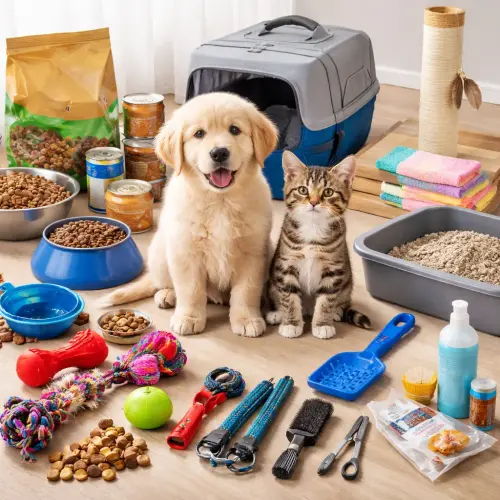
Why Every New Pet Owner Needs a Thoughtful Supply List
Adopting a dog or cat is a joyful milestone, but it can also be overwhelming. The pet aisle is packed with toys, beds, bowls, and gadgets — and it is easy to spend money on things your pet may never use. Taking a practical approach to pet supplies for new owners helps you focus on what truly supports your pet’s well-being.
A checklist of core items covers feeding, sleeping, hygiene, exercise, and safety. Each item on this list is chosen for its usefulness, safety, and ability to help both you and your pet build a happy routine.
Feeding Essentials: Bowls, Food, and Water
Getting feeding right from the start is important for your pet’s health. The simplest supplies often make the biggest difference in daily comfort.
Stainless Steel Bowls for Dogs and Cats
Durable, dishwasher-safe, and non-porous, stainless steel bowls resist bacteria growth far better than plastic or ceramic options. They also do not chip or crack, which means no hidden places for germs to hide.
High-Quality Puppy or Kitten Food
Every pet has unique nutritional needs based on age, size, and health condition. Consult your veterinarian to choose a food that matches your pet’s life stage. Look for formulas approved by the Association of American Feed Control Officials (AAFCO) as a baseline for completeness.
Water Fountain for Cats
Many cats prefer running water over still water. A pet water fountain encourages hydration, which is crucial for urinary tract health. For dogs, a heavy ceramic or stainless steel water bowl placed away from the food dish works well.
Comfort and Safety: Beds, Crates, and Gates
A comfortable, safe space is the foundation of your pet’s confidence in their new home. The right sleeping and containment gear keeps everyone happy.
Dog Crate or Cat Carrier
A crate serves as a den-like retreat for dogs, making house-training and travel easier. Choose one large enough for your pet to stand, turn around, and lie down. For cats, a sturdy carrier with good ventilation is a non-negotiable must-have pet supply for new dog and cat owners for vet visits and emergencies.
Comfortable Bed for Dogs and Cats
Pets spend a lot of time sleeping. A good bed supports joints, offers warmth, and gives them a place to call their own. Machine-washable covers are a practical choice since accidents happen.
Baby Gates or Pet Barriers
Use gates to block off stairs, kitchens, or rooms where your new pet could get into trouble. This simple pet supply for new owners prevents accidents while giving your pet safe space to explore.
Grooming and Hygiene Basics
Regular grooming keeps your pet comfortable, reduces shedding, and helps you spot potential health issues early.
Brushes and Combs
Short-haired breeds benefit from a rubber curry brush, while long-haired pets need a slicker brush or comb. Daily brushing sessions also strengthen your bond. For cats, a lint roller next to the grooming kit is a lifesaver for furniture.
Nail Clippers or Grinder
Long nails can cause pain and lead to joint problems. Introduce nail trimming slowly and reward calm behavior. If you are nervous, ask your vet or a groomer to show you proper technique.
Pet-Safe Shampoo and Toothbrush
Never use human shampoo on pets — it dries out their skin. Choose a mild, pet-formulated shampoo. Dental care is equally important; start brushing with a soft-bristled toothbrush and pet-safe toothpaste early.
Play and Exercise Equipment
Physical activity prevents obesity and boredom. The right toys and gear keep your pet active and mentally stimulated.
Durable Toys for Dogs and Interactive Toys for Cats
Dogs love toys that engage their natural instincts — think rope tugs, rubber chew toys, and treat-dispensing puzzles. Cats enjoy wand toys, laser pointers, and feather teasers that mimic prey. Avoid toys with small parts that could be swallowed.
Leash, Collar, and ID Tags
Every dog needs a well-fitting collar with an ID tag that includes your phone number. A sturdy leash (6 feet is a good starting length) gives you control on walks. For cats, a breakaway collar with an ID tag is a safety measure if they ever slip outdoors.
Health and Wellness Supplies
A few key health items can help you manage small issues at home and know when to call the vet.
First Aid Kit
Assemble a basic kit with gauze, adhesive tape, antiseptic wipes, tweezers, and a digital thermometer. The American Veterinary Medical Association offers excellent guidelines for building a pet first aid kit at avma.org.
Flea and Tick Prevention
Speak with your vet about the best flea and tick preventive product for your area. Monthly topical or oral treatments can prevent infestations and serious diseases such as Lyme disease.
Training and Behavior Aids
Training supplies help you set clear expectations, which reduces anxiety for both you and your pet.
Pee Pads and Poop Bags
For puppies not yet fully vaccinated, pee pads are useful for indoor accidents. Biodegradable poop bags make cleanup eco-friendly and easy when you are out on walks.
Treats for Positive Reinforcement
Small, soft training treats work best because they are easy to chew and do not fill your pet up. Look for treats with simple ingredient lists and no artificial additives.
Comparison Table: Must-Have Pet Supplies for Dogs vs. Cats
| Supply Category | Dog-Specific Items | Cat-Specific Items |
|---|---|---|
| Feeding | Heavy ceramic bowl, slow feeder | Water fountain, shallow dish |
| Comfort | Dog crate, large orthopedic bed | Carrier, cozy cave bed |
| Grooming | De-shedding tool, dog shampoo | Slicker brush, cat-safe wipes |
| Play | Chew toys, fetch balls | Wand toys, catnip mice |
| Safety | Harness, reflective leash | Breakaway collar, window perch |
Useful Resources
For deeper guidance on choosing the right gear, check out these trusted sources:
- ASPCA Pet Care Guides — expert advice on nutrition, grooming, and training for dogs and cats.
- Humane Society: Bringing Home a New Pet — a step-by-step checklist to welcome your new companion safely.
Conclusion: Start With the Essentials, Grow From There
Choosing the right must-have pet supplies for new dog and cat owners does not have to be complicated. Focus on feeding, comfort, safety, grooming, and play to create a solid foundation for your new companion. As you and your pet settle into a routine, you will discover which extras make your life easier. By investing in quality basics now, you are setting the stage for a long, happy, and healthy life together.
Frequently Asked Questions About must-have pet supplies for new dog and cat owners
What are the absolute must-have pet supplies for new dog and cat owners ?
At minimum, you need food, water bowls, a bed, a carrier or crate, a leash and collar, ID tags, grooming tools, and appropriate toys.
Should I buy a crate for my cat?
Cats rarely use crates as dens, but a sturdy carrier is essential for vet visits and travel. A crate is more common for dogs.
How often should I replace my pet’s food bowl?
Replace plastic bowls immediately with stainless steel or ceramic. Stainless steel bowls can last years if cleaned regularly and checked for scratches.
Do I really need a bed for my pet?
Yes, a bed provides a consistent, comfortable place for rest, which supports joint health and reduces stress, especially for older animals.
What type of leash is best for a new puppy?
A 6-foot nylon or leather leash is durable and gives you control. Retractable leashes are not recommended during training because they reduce control.
Can I share my bed with my new dog or cat?
Yes, but it is safer to provide their own bed so they have a quiet retreat. Sharing your bed is fine if both you and your vet are comfortable with it.
Why do cats need a water fountain?
Many cats prefer moving water, which encourages them to drink more. Adequate hydration helps prevent kidney disease and urinary problems.
What grooming supplies do I need for a short-haired dog?
A rubber curry brush or hound glove, nail clippers, pet-safe shampoo, and a toothbrush cover the basics.
What about toys for a teething puppy?
Rubber chew toys designed for teething, like Kongs, are excellent. They soothe gums and provide mental stimulation.
How many toys should I buy at first?
Start with three to four toys and rotate them weekly to keep your pet interested without overwhelming them.
Is a harness better than a collar for dogs?
Harnesses distribute pressure more evenly and are safer for dogs that pull. A collar with an ID tag is still necessary for identification.
Do cats need a scratching post?
Yes, scratching is a natural behavior that helps cats mark territory and maintain claw health. A sturdy post reduces damage to furniture.
What is the best way to store pet food?
Keep dry food in its original bag inside an airtight container to preserve freshness and prevent pests.
When should I buy flea prevention?
Start prevention as soon as you bring your pet home, especially if you live in a warm climate. Consult your vet for timing and product recommendations.
Are pet gates really necessary for cats?
Yes, gates help keep curious kittens out of dangerous areas like kitchens or stairwells until they learn boundaries.
What should I include in a pet first aid kit?
Include gauze, tape, antiseptic wipes, tweezers, a digital thermometer, and your vet’s phone number. Check the kit every few months.
Can I use human toothpaste for my pet?
No, human toothpaste contains fluoride and xylitol, both toxic to pets. Always use toothpaste formulated for dogs or cats.
How much should I spend on supplies initially?
A budget of $150–$300 covers the essential items listed in this guide. Spending more on a quality bed or crate pays off in durability.
Where can I find discounts on pet supplies?
Check online retailers, local pet stores for loyalty programs, and adoption centers that often provide starter supply kits at reduced prices.
How often should I update my pet’s ID tag?
Update the tag immediately if you move or change phone numbers. Even if your pet is microchipped, an ID tag is the quickest way for someone to return them.