



dog barking excessively Key Takeaways
Dogs left alone for long hours or without enough physical and mental activity often turn to barking as a release.
- Dog barking excessively usually stems from boredom, fear, or unmet needs.
- Understanding the root cause is the first step toward quieter days.
- Practical changes to routine, environment, and training can dramatically reduce barking.
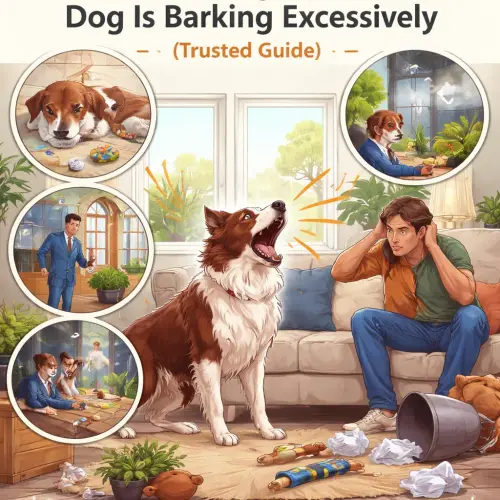
Why understanding Reasons Your Dog Is Barking Excessively matters for your home
Living with a vocal dog can test anyone’s patience. But barking is a natural form of communication — your dog is trying to tell you something. When you learn to decode the message, you can address the underlying need instead of just suppressing the noise. This guide walks through nine common reasons why dogs bark a lot and offers practical steps for each situation. By the end, you’ll have a clear how to stop excessive dog barking plan tailored to your pup. For a related guide, see 9 Warning Signs Your Pet Needs More Exercise and Mental.
1. Boredom and lack of stimulation
Dogs left alone for long hours or without enough physical and mental activity often turn to barking as a release. A bored dog may pace, dig, or bark at nothing in particular. This is one of the most frequent reasons why dogs bark a lot in households where owners work full-time.
How to fix it
Increase daily walks, add puzzle toys, and schedule short training sessions. A tired dog is a quiet dog. Even 15 minutes of focused play can cut dog barking excessively by half.
2. Territorial or protective barking
When the mail carrier arrives or a neighbor walks past, your dog may sound the alarm. Territorial barking is instinctive — your dog sees your home as their pack’s safe zone. This type of barking is often deep and repetitive.
How to fix it
Block visual access to triggers using curtains or window film. Teach a “quiet” cue with positive reinforcement. Reward calm behavior when a trigger appears, and over time your dog will learn that the trigger means treats, not threats.
3. Separation anxiety
Dogs with separation anxiety bark persistently when left alone — often accompanied by pacing, drooling, or destructive behavior. This isn’t naughtiness; it’s distress. Dog barking excessively in this scenario is a cry for help.
How to fix it
Desensitize your dog to your departure cues (like picking up keys). Start with very short absences and gradually increase the time. In severe cases, consult a veterinary behaviorist who may recommend medication alongside training.
4. Excitement or greeting barking
Some dogs bark joyfully when you come home or when guests arrive. The tail wags, the body wiggles, and the barks come in short, happy bursts. While endearing, it can become overwhelming.
How to fix it
Ignore the barking until your dog is quiet, then calmly greet them. Ask guests to do the same. Over time, your dog learns that silence earns attention, while barking delays it.
5. Attention-seeking barking
Dogs quickly figure out that barking makes you look at them, talk to them, or give them a treat. If you’ve ever yelled “quiet!” and your dog barked louder, you’ve accidentally reinforced this behavior. Dog barking excessively for attention is one of the easiest patterns to fix.
How to fix it
Completely ignore the barking — no eye contact, no words, no touch. The moment your dog stops, reward them with attention and a treat. Consistency is everything.
6. Fear or startling noises
Thunder, fireworks, or even a dropped pot can trigger fear-based barking. This bark is high-pitched and often accompanied by trembling or hiding. It’s a natural survival response.
How to fix it
Create a safe space with white noise or calming music. Use pressure wraps like the ThunderShirt if your dog responds well. In severe cases, talk to your vet about anti-anxiety aids.
7. Play and social barking
When dogs play, they often bark to invite interaction or express excitement. This is normal and healthy, but if it bothers you or your neighbors, you may want to manage it. Dog barking excessively during play can sometimes escalate into overarousal.
How to fix it
End play sessions before barking peaks. Teach a “settle” cue and practice calm greetings with other dogs. Structured play with clear rules helps keep excitement in check.
8. Medical issues or cognitive decline
Pain, hearing loss, or canine cognitive dysfunction (similar to dementia) can cause dog barking excessively — often at night or seemingly at nothing. Older dogs are especially prone to this. A sudden change in barking should always prompt a vet visit.
How to fix it
Have your vet perform a full exam. If pain or cognitive decline is diagnosed, treatment may include medication, joint supplements, or environmental adjustments like night lights and predictable routines.
9. Learned habit or breed predisposition
Some breeds are naturally more vocal — beagles, terriers, and Shetland sheepdogs bark more by instinct. If your dog has been barking for months, it may have simply become a habit. Dog barking excessively that started as a response to a trigger can continue even after the trigger is gone.
How to fix it
Work with a positive reinforcement trainer to replace the barking with an incompatible behavior (like carrying a toy). Patience is key when retraining a deeply ingrained habit.
Putting it all together: Your action plan for dog barking excessively
Start by identifying which reason fits your dog’s behavior best. Keep a log for a week — note when the barking happens, what’s going on, and how long it lasts. This will reveal patterns. Then apply the corresponding tip consistently for at least two weeks. If you don’t see progress, consult a certified professional dog trainer or a veterinary behaviorist. Remember, how to stop excessive dog barking begins with understanding why it’s happening.
Useful Resources
For deeper reading, the American Society for the Prevention of Cruelty to Animals offers excellent guidance on understanding and managing dog barking. The American Veterinary Medical Association also provides expert insight on how to approach barking as a welfare issue.
Frequently Asked Questions About dog barking excessively
Why is my dog barking excessively all of a sudden?
A sudden increase in barking often signals pain, fear, or a change in environment. Schedule a vet check to rule out medical causes first.
Can I use a bark collar to stop my dog from barking?
Bark collars (shock, spray, or vibration) can suppress barking but do not address the root cause. Positive reinforcement training is safer and more effective long term.
How much barking is considered normal?
Most dogs bark occasionally to alert, greet, or play. If barking lasts more than a few minutes or happens multiple times daily, it may be excessive.
Will getting another dog help my dog stop barking?
Sometimes a companion can reduce boredom barking, but two dogs may also feed off each other’s barking. It’s not a guaranteed solution.
Does exercise really reduce barking?
Yes. Physical exercise lowers stress and burns off the energy that often fuels barking. Aim for at least 30 minutes of brisk walking daily.
Can I train an older dog to bark less?
Absolutely. Dogs can learn new behaviors at any age, though it may take more patience. Positive reinforcement works for senior dogs too.
What is the difference between demand barking and alert barking?
Demand barking is directed at you (often with eye contact) to get something. Alert barking is directed at a stimulus outside and is usually accompanied by a stiff body posture.
Should I ignore my dog when they bark at people outside?
Ignoring alone won’t stop territorial barking. Instead, block the view and train an alternative behavior like going to a mat. For a related guide, see 8 Signs Your Pet Needs More Attention.
How long does it take to change barking behavior?
With consistent training, many owners see improvement in 2–4 weeks. Deeply ingrained habits or anxiety may take 2–3 months.
Can diet affect how much a dog barks?
Some dogs are sensitive to food additives or low-quality protein. A balanced diet supports overall calmness, but diet alone rarely causes or fixes barking.
Is barking a sign of aggression?
Not always. Barking can express fear, excitement, or frustration. Look at body language — stiff tail, raised hackles, and growling suggest aggression.
What should I do if my neighbor complains about my dog’s barking?
Be proactive: explain your training plan, show them your log of progress, and consider hiring a certified trainer to demonstrate commitment.
Are some dog breeds more likely to bark excessively?
Yes. Beagles, terriers, Pomeranians, and Shetland sheepdogs are among the breeds bred to bark as part of their job. Research breed traits before adopting.
Does CBD oil help dogs stop barking?
Some pet parents report success with CBD for anxiety-related barking, but scientific evidence is limited. Always consult your vet before giving supplements.
Can I teach my dog to “speak” and “quiet” on cue?
Yes. Teaching “speak” gives you control over the behavior, and then you can shape “quiet” by rewarding silence after the cue.
What if my dog only barks when I’m gone?
That points to separation anxiety. Record your dog’s behavior with a camera, rule out medical issues, and begin a desensitization program.
Should I use a no-bark device that emits a high-pitched sound?
Ultrasonic devices can stop barking temporarily, but some dogs become anxious or habituated. They work best as a short-term aid, not a long-term solution.
Can I stop barking without yelling at my dog?
Absolutely. Yelling can increase anxiety and barking. Focus on calm, consistent training and environmental changes instead.
Why does my dog bark at me when I’m on the phone?
Your dog may be confused or jealous because your attention is on the device. Give them a stuffed toy or chew before your call.
When should I see a professional for barking?
If barking escalates despite your efforts, causes neighbor complaints, or is paired with signs of aggression or severe anxiety, seek help from a certified trainer or veterinary behaviorist.