


Foods That Help Maintain Healthy Skin and Fur Key Takeaways
The skin is the largest organ in your pet’s body, and a visible mirror of internal health.
- Foods That Help Maintain Healthy Skin and Fur are rich in omega fatty acids, high-quality protein, and essential vitamins like vitamin E and biotin.
- Omega-3 and omega-6 fatty acids from fish and plant sources reduce inflammation and moisturize skin from the inside out.
- Always introduce new foods gradually and consult your veterinarian before making major dietary changes.
What Makes Foods That Help Maintain Healthy Skin and Fur So Important?
The skin is the largest organ in your pet’s body, and a visible mirror of internal health. When a pet’s diet lacks essential nutrients, the coat often becomes dry, brittle, or dull, and the skin may become flaky or itchy. On the other hand, a diet rich in targeted nutrients can transform a lackluster coat into a shiny, soft one while strengthening the skin barrier against allergens and environmental stressors.
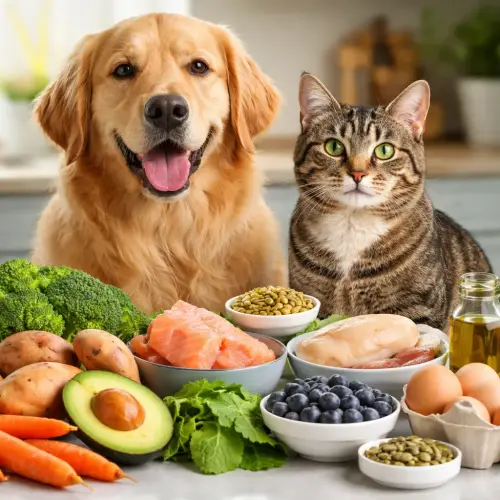
For both dogs and cats, the key players are omega-3 and omega-6 fatty acids, protein (especially from animal sources), zinc, vitamin E, and B vitamins. These nutrients work together to support cell regeneration, sebum production, and natural oil balance. Below, we break down 12 specific foods that deliver these benefits in a safe, natural way.
12 Vet-Approved Foods That Help Maintain Healthy Skin and Fur
Each food listed here has been selected based on veterinary nutritional guidelines and practical feeding experience. Portion sizes and preparation methods matter, so we include feeding tips for both dogs and cats.
1. Fatty Fish (Salmon, Sardines, Mackerel)
Fatty fish are the top source of omega-3 fatty acids (EPA and DHA), which reduce inflammation and keep the skin hydrated. The natural oils also support a thick, shiny coat. Serve cooked, boneless fish as an occasional treat or mix a small amount into regular meals. For cats, offer only a teaspoon or two once or twice a week.
2. Chicken (Lean, Cooked, Boneless)
High-quality animal protein is essential for keratin production—the protein that makes up hair and nails. Chicken provides lean protein and amino acids like methionine, which strengthen hair follicles. Always remove skin and bones, and serve plain without seasoning.
3. Eggs (Cooked)
Eggs are a complete protein source and rich in biotin, a B vitamin directly linked to coat health. Biotin deficiency often shows up as dry, brittle fur and flaky skin. Scramble or hard-boil eggs and offer a small portion (half an egg for small dogs, a quarter for cats) once or twice a week.
4. Sweet Potatoes (Cooked, Plain)
Sweet potatoes deliver beta-carotene (converted to vitamin A), which supports skin cell repair and oil gland function. They are also a gentle source of fiber, aiding digestion and nutrient absorption. Steam or bake without any butter, salt, or spices.
5. Blueberries
Blueberries are packed with antioxidants (anthocyanins) that combat oxidative stress, a contributor to premature skin aging and inflammation. They make a perfect low-calorie treat for dogs. For cats, mash a couple of berries and mix into wet food.
6. Pumpkin (Canned, Pure, Unsweetened)
Pumpkin is a double-duty superfood: its beta-carotene supports skin health, while its soluble fiber regulates digestion. A healthy gut microbiome is directly linked to reduced skin allergies and a shinier coat. Add a tablespoon to meals for dogs, and a teaspoon for cats.
7. Coconut Oil (Unrefined, Virgin)
Coconut oil contains medium-chain triglycerides (MCTs) and lauric acid, which have antimicrobial properties and can improve coat texture when used topically or orally. Start with ¼ teaspoon for small pets and increase gradually. Not all cats love the taste, so test a tiny amount first.
8. Spinach (Lightly Steamed)
Spinach provides iron, vitamin E, and magnesium—all important for skin elasticity and moisture retention. Vitamin E acts as an antioxidant, protecting skin cells from damage. Steam spinach to reduce oxalates, then chop finely before mixing into food.
9. Carrots (Raw or Steamed, Chopped)
Carrots are another rich source of beta-carotene and also provide fiber. They help maintain the skin’s natural barrier and may reduce shedding. Offer small carrot sticks as a crunchy snack for dogs, or grate a little over wet food for cats.
10. Bone Broth (Low-Sodium, No Onions or Garlic)
Bone broth supplies collagen, gelatin, and amino acids (glycine, proline) that support joint and skin health. Collagen improves skin elasticity and can help reduce the appearance of dry patches. Serve warm or chilled as a hydrating topper for both dogs and cats.
11. Flaxseed (Ground, Fresh)
Ground flaxseed is a plant-based source of omega-3 fatty acids (ALA). It also contains lignans, which have anti-inflammatory properties. Grind seeds just before serving (whole seeds pass through undigested) and sprinkle a pinch onto meals. Use sparingly—too much can cause loose stools.
12. Organ Meats (Liver, Kidney, in Moderation)
Organ meats are nature’s multivitamin: they are loaded with zinc, copper, iron, and B vitamins, all crucial for healthy skin and fur for pets. Zinc deficiency, in particular, leads to poor wound healing and coat thinning. Feed only small amounts (a teaspoon for small dogs, a pea-sized piece for cats) once a week to avoid vitamin A toxicity.
How to Incorporate These Foods That Help Maintain Healthy Skin and Fur into Daily Meals
Transitioning to a more nutrient-rich diet doesn’t have to be complicated. The key is balance and moderation. Start by choosing two or three foods from the list that fit your pet’s current diet and taste preferences. For example, if your dog loves fish, mix a tablespoon of cooked salmon into their kibble twice a week. If your cat is picky, try a small sprinkle of ground flaxseed or a teaspoon of pumpkin puree.
Always introduce new foods one at a time and watch for any signs of digestive upset or allergic reaction. Remember that these foods are meant to complement a complete and balanced diet, not replace it. For pets with existing health conditions (pancreatitis, kidney disease, allergies), consult your veterinarian before adding new ingredients.
Important Mistakes to Avoid with Pet Nutrition for Coat Health
Many well-meaning pet owners inadvertently undermine their efforts. Here are the most common pitfalls:
- Over-supplementing: Adding too much fish oil or organ meat can lead to vitamin imbalances or digestive issues. Stick to the recommended portions.
- Feeding raw eggs: Raw egg whites contain avidin, which can block biotin absorption. Always cook eggs thoroughly.
- Ignoring water intake: Even the best diet won’t fix dehydrated skin. Ensure fresh, clean water is always available.
- Relying on treats alone: Treats should make up no more than 10% of daily calories. The core of pet nutrition for coat health must come from a high-quality base diet.
Best Foods for Dog Skin: A Quick-Reference Table
| Food | Key Nutrient | Benefit for Skin and Coat | Feeding Frequency |
|---|---|---|---|
| Salmon (cooked) | Omega-3 (EPA/DHA) | Reduces itching, adds shine | 2–3 times/week |
| Eggs (cooked) | Biotin, protein | Strengthens hair shafts | 1–2 times/week |
| Sweet potato (cooked) | Beta-carotene | Supports skin cell repair | 2–3 times/week |
| Blueberries | Antioxidants | Reduces oxidative stress | 3–4 times/week |
| Chicken (cooked, lean) | Complete protein | Builds keratin | As part of base diet |
Why Cat Fur Health Diet Differs from Dogs
Cats are obligate carnivores, meaning they require certain nutrients (like taurine and arachidonic acid) that only come from animal tissues. This means that plant-based sources of omega-3s (like flaxseed) are less effective for cats than for dogs. For a cat fur health diet, prioritize animal-based omega-3s from fish and organ meats. Additionally, cats have a lower tolerance for carbohydrates, so starchy foods like sweet potatoes should be offered in much smaller amounts. Always ensure that any new food is safe for feline metabolism before feeding.
Useful Resources
- American Veterinary Medical Association – Feeding Your Pet – Official guidance on balanced nutrition for dogs and cats.
- PubMed – Diet and Skin/Coat Health in Pets – Peer-reviewed research on the relationship between nutrition and dermatological health.
Disclaimer: This article is for educational purposes and does not replace professional veterinary advice. Always consult with a licensed veterinarian before making significant changes to your pet’s diet, especially if your pet has any underlying health conditions.
Frequently Asked Questions About Foods That Help Maintain Healthy Skin and Fur
How long does it take to see results after changing my pet’s diet?
Most pet owners notice an improvement in coat shine and skin condition within 4 to 8 weeks of consistent dietary changes, though individual results vary based on the pet’s baseline health and the specific nutrients added.
Can I feed raw fish to my cat or dog for skin health?
Raw fish can contain thiaminase (which breaks down vitamin B1) and parasites, so it is safer to feed fully cooked fish without bones or seasoning.
Are there any foods that can cause skin allergies in pets?
Common allergens include beef, dairy, chicken, wheat, and soy. If you suspect a food allergy, work with your vet to conduct an elimination diet.
Is coconut oil safe for dogs and cats?
Yes, in moderation. Start with a tiny dose (¼ tsp for small pets) and monitor for digestive upset. Some cats may not tolerate it well.
Can I use olive oil instead of coconut oil for my dog’s coat?
Olive oil is safe in small amounts and contains healthy monounsaturated fats, but it lacks the MCTs found in coconut oil that offer antimicrobial benefits.
Do I need to give supplements in addition to these foods?
If your pet’s base diet is balanced, supplements are usually not necessary. However, fish oil supplements can be helpful for pets with chronic skin inflammation.
How much sweet potato can I give my dog per day?
A general guideline is one tablespoon per 10 pounds of body weight per day, but start with less to avoid digestive upset.
Can cats eat pumpkin like dogs do?
Yes, plain canned pumpkin is safe for cats and can aid digestion. Start with half a teaspoon and increase gradually if well tolerated.
Are blueberries safe for puppies and kittens?
Yes, but cut them in half to prevent choking, and offer only a few at a time. Always supervise the first feeding.
What’s the best way to feed eggs to my pet for coat health?
Cook eggs thoroughly (scrambled or hard-boiled) without any oil, salt, or seasoning. Avoid raw eggs due to the risk of salmonella and biotin deficiency.
Can I give my dog chicken skin for healthy fur?
Chicken skin is high in fat and can cause pancreatitis if fed regularly. Stick to lean, skinless, cooked chicken.
Will feeding organ meats make my cat’s coat shinier?
Organ meats are rich in zinc and B vitamins, which directly support coat shine. Feed only small amounts (a pea-sized piece for cats) once a week.
How do I know if my pet has a zinc deficiency?
Symptoms include hair loss, poor wound healing, scaly skin, and a dull coat. A veterinarian can confirm with a blood test.
Can I mix flaxseed oil directly into my dog’s food?
Yes, but use ground flaxseed or flaxseed oil in small amounts (start with ¼ tsp for small dogs). Too much can cause diarrhea.
What home-cooked meals are best for a dog with itchy skin?
A simple meal of boiled chicken, white rice, and cooked carrots can be soothing, but a long-term diet should be nutritionally complete. Consult a vet for a balanced recipe.
Can I feed these foods to a pet with kidney disease?
Many of these foods (especially organ meats and fish) are high in phosphorus and should be limited in pets with kidney disease. Always follow your vet’s specific dietary guidelines.
How much water should my pet drink for healthy skin?
Dogs need about 1 ounce of water per pound of body weight daily; cats need about 3.5 to 4.5 ounces per 5 pounds. Wet food can help increase fluid intake.
Are there any vegetables I should avoid for my cat?
Onions, garlic, chives, and leeks are toxic to cats. Also avoid raw potatoes and nightshade vegetables like raw eggplant.
Can I use bone broth as a meal replacement?
No, bone broth lacks the complete nutrition of a balanced meal. Use it as a hydrating topper or treat, not a primary food source.
Do these foods work for senior pets with thinning fur?
Yes, the same nutrients (omega-3s, biotin, zinc) can help improve coat density in senior pets, but always check with your vet for age-specific health concerns.