



12 questions first-time pet owners ask vets Key Takeaways
Below are the 12 most common and critical what to ask a vet topics, organised by category.
- Understand the 12 questions first-time pet owners ask vets about nutrition, training, and preventive care.
- Learn how to create a new pet checklist that includes vet visits, home safety, and essential supplies.
- Get actionable pet care tips on feeding schedules, socialisation, and recognising early signs of illness.
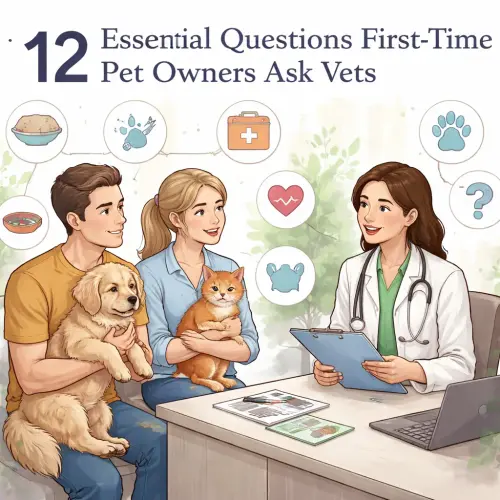
Why Every New Pet Parent Needs a Strong Questions for Vet List
Walking into a veterinary clinic unprepared can be overwhelming. Having a prepared list of questions for vet appointments helps you cover the most important aspects of your pet’s health and happiness. Veterinarians appreciate when owners come with thoughtful queries — it shows you’re invested in proactive care. For a related guide, see 15 Common Pet Owner Mistakes and How to Avoid Them (Expert.
Below are the 12 most common and critical what to ask a vet topics, organised by category. Each question is followed by a concise vet‑style answer so you know exactly what to expect.
1. What Diet Should My Pet Be On?
Vets often say diet is the foundation of long‑term health. Ask about species‑appropriate food, portion sizes, and feeding frequency. Puppies and kittens need growth formulas, while adult pets require balanced maintenance diets. Avoid generic “all‑life‑stages” foods unless your vet approves.
2. How Often Do I Need to Vaccinate?
Vaccination schedules vary by species, age, and lifestyle. Core vaccines (like rabies and distemper for dogs, or panleukopenia for cats) are essential. Your vet will recommend a timeline based on your new pet checklist and local disease risks. Boosters are usually needed annually or every three years.
3. What Preventive Parasite Control Is Necessary?
Heartworm, fleas, ticks, and intestinal worms are common threats. Monthly preventives are standard, but the right product depends on your pet’s weight and where you live. Ask your vet for a year‑round plan, and never use dog products on cats — some are toxic.
4. How Do I Train My Pet Not to Be Destructive?
Destructive behaviour often stems from boredom, anxiety, or lack of exercise. Vets recommend positive reinforcement, consistent routines, and plenty of enrichment toys. If chewing persists, rule out medical issues like dental pain before assuming a behaviour problem.
5. What Are the First Signs of Illness I Should Watch For?
Key early warning signs include changes in appetite, water intake, energy, stool consistency, and behaviour. Lethargy, vomiting, diarrhoea, coughing, or limping that lasts more than 24 hours warrants a vet visit. Trust your gut — if something feels off, call your clinic.
6. Is Spaying/Neutering Really Necessary?
Yes, for most pets. Spaying or neutering reduces the risk of certain cancers, curbs roaming and aggression, and prevents unwanted litters. Vets typically recommend the procedure between 4–6 months of age, but timing can vary by breed and size.
7. How Often Should I Groom My Pet?
Grooming needs differ. Short‑haired dogs may need weekly brushing; long‑haired breeds need daily attention. Nail trimming every 2–4 weeks, ear cleaning as needed, and dental brushing several times a week are baseline pet care tips. Ask your vet to show you the correct technique.
8. What Behaviour Is Normal for a New Pet?
New pets often hide, pant, or have accidents during the first few days — that’s normal adjustment. Persistent aggression, excessive fear, or destructive behaviour may indicate deeper issues. Your vet can rule out medical causes and refer you to a qualified behaviourist if needed.
9. How Much Exercise Does My Pet Need?
Exercise requirements vary widely. High‑energy breeds like Border Collies need at least an hour of vigorous activity daily, while brachycephalic breeds (like Pugs) require shorter, low‑impact sessions. Indoor cats benefit from 15–20 minutes of interactive play each day. Over‑exercising a young pet can damage growing joints.
10. What Emergency Supplies Should I Keep at Home?
Your vet can help you assemble a pet first‑aid kit. Essentials include gauze, adhesive tape, antiseptic wipes (pet‑safe), a digital thermometer, a muzzle (even friendly pets can bite when in pain), and your vet’s emergency number. Also keep a week’s worth of food and medications on hand.
11. How Do I Introduce My Pet to Children or Other Pets?
Slow, supervised introductions prevent stress and injury. Let pets meet through a barrier (like a baby gate) first. Teach children to approach calmly and avoid hugging or startling the animal. Use positive reinforcement — treats and praise — for calm behaviour. Never force interaction.
12. What Does an Initial Wellness Exam Include?
A full nose‑to‑tail wellness exam covers weight check, dental assessment, heart and lung auscultation, abdominal palpation, skin and coat evaluation, and a faecal test. This is the perfect time to bring your questions for vet list. The exam sets a baseline for future health comparisons.
Pet Care Tips to Remember After Your First Visit
Schedule your next check‑up before leaving the clinic. Keep a digital or physical health record for vaccinations, deworming, and any medications. Stay consistent with the feeding and exercise plan your vet recommends. When in doubt, call rather than wait — early intervention saves lives.
Useful Resources
For further reading on vaccine schedules and preventive care, visit the American Veterinary Medical Association Pet Care section. For emergency preparedness tips, check ASPCA Disaster Preparedness for Pets.
Frequently Asked Questions About 12 questions first-time pet owners ask vets
What should I feed my new puppy?
Puppies need a high‑quality growth formula approved by AAFCO. Feed small, frequent meals (3–4 times daily) until six months, then twice daily. Always provide fresh water.
When should I take my new pet to the vet for the first time?
Within the first 48 hours of adoption. An early wellness exam detects hidden health issues and starts vaccination and deworming protocols.
Can I change my pet’s food immediately?
No. Transition over 5–7 days, mixing increasing amounts of new food with old, to avoid digestive upset.
How do I know if my pet has worms?
Signs include scooting, visible rice‑like segments in stool, bloated belly, and weight loss despite a good appetite. Bring a fresh stool sample to your vet.
What is the best age to spay or neuter my dog?
Most vets recommend 4–6 months for small to medium breeds, and 6–12 months for large breeds to allow proper bone growth.
Do indoor cats need vaccines?
Yes. Indoor cats still need core vaccines (rabies, FVRCP) because viruses can be brought in on shoes or clothing.
How often should I bathe my dog?
Every 4–6 weeks for most breeds. Over‑bathing strips natural oils. Use a dog‑specific shampoo and avoid human products.
Why is my new kitten hiding all the time?
It’s normal. Provide a safe room with hiding spots, food, water, and litter box. Let the kitten explore at its own pace.
What kind of flea prevention is safest for cats?
Only cat‑specific products containing ingredients like selamectin or fluralaner. Never use dog flea treatments — they can be fatal.
Should I brush my pet’s teeth?
Yes. Daily brushing with pet‑safe enzymatic toothpaste reduces plaque and prevents periodontal disease. Start slowly and reward your pet.
How can I tell if my pet is overweight?
You should be able to feel ribs without pressing hard, and see a visible waist from above. Your vet can assess body condition score (BCS).
What human foods are dangerous for pets?
Grapes, raisins, chocolate, xylitol, onions, garlic, and macadamia nuts are toxic. Keep them out of reach.
How do I stop my puppy from biting?
Redirect to a chew toy, yelp to signal pain, and provide ample exercise. Avoid physical punishment. Mouthing usually subsides by 5–6 months.
When should I switch from kitten/puppy food to adult food?
Around 12 months for most cats and small‑medium dogs. Large/giant dogs may need puppy food until 18–24 months.
Do I need pet insurance?
It’s strongly recommended. Insurance covers unexpected accidents and illnesses. Compare policies that include wellness exams and vaccinations if you want full coverage.
How do I introduce my new dog to my resident cat?
Keep them separated for the first few days. Use a baby gate for visual and scent access. Swap bedding so they get used to each other’s smell before meeting face‑to‑face.
What vaccinations do rabbits need?
Rabbits typically need vaccines for RHDV (rabbit haemorrhagic disease virus) and myxomatosis. Consult an exotic vet for your region’s schedule.
Why does my pet eat grass?
Often it’s normal behaviour. Some pets eat grass to settle an upset stomach or add fibre. If it becomes excessive or causes vomiting, consult your vet.
How do I take my pet’s temperature at home?
Use a digital rectal thermometer lubricated with petroleum jelly. Normal temperature for dogs and cats is 100°F–102.5°F. Never use a mercury thermometer.
What should I do if my pet has a seizure?
Stay calm, keep the pet away from furniture, time the seizure, and do not put anything in its mouth. Contact your vet immediately after the episode stops.