


common skin problems in dogs and cats Key Takeaways
Symptoms include constant licking of paws, rubbing the face on carpets, and recurring ear infections.
- Allergies, parasites, and infections cause most common skin problems in dogs and cats .
- Early detection of symptoms like redness, odor, and itching improves treatment success.
- Simple hygiene, diet changes, and regular vet checkups can prevent many skin conditions.
Why Understanding Common Skin Problems in Dogs and Cats Matters
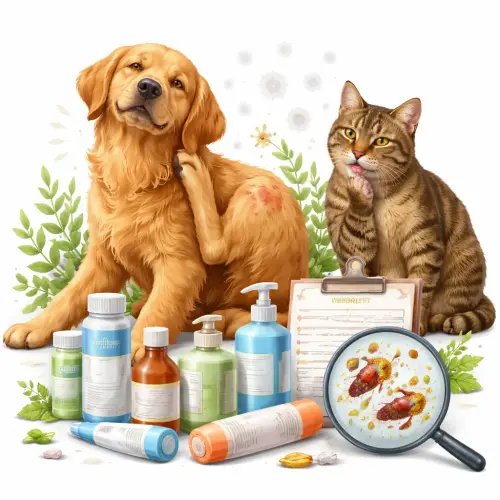
Your pet can’t tell you when something feels wrong. That is why every responsible owner should recognize the warning signs. From hot spots to ringworm, common skin problems in dogs and cats share many visible clues—scratching, bald patches, flaky skin, and unusual odors. The sooner you identify the issue, the faster your furry friend gets relief. For a related guide, see 12 Warning Signs of Skin Problems in Pets Every Owner Must.
Skin is the largest organ, and it often reflects what is happening inside the body. Allergies, hormonal imbalances, and even stress can show up first on the skin. That is why this guide covers causes, symptoms, and practical treatment tips for each condition. Always confirm a diagnosis with your veterinarian before starting any treatment.
1. Allergic Dermatitis: The Most Common Skin Problem in Dogs
Common dog skin problems often start with allergies. Allergic dermatitis occurs when a dog’s immune system overreacts to triggers like pollen, dust mites, mold, or certain foods. The result is intense itching, red skin, and secondary infections.
Symptoms include constant licking of paws, rubbing the face on carpets, and recurring ear infections. Treatment focuses on avoiding the allergen, using medicated shampoos, and sometimes immunotherapy or prescription medications like Apoquel or Cytopoint.
Tip: If your dog scratches seasonally, allergy testing can identify the specific triggers.
Managing Food Allergies in Dogs
Food allergies account for about 10% of allergy cases in dogs. Beef, chicken, dairy, and wheat are the most common culprits. Switch to a novel protein diet (like duck or venison) or hydrolyzed protein food for an eight-week food trial. Keep a journal to track symptoms during the trial.
2. Flea Allergy Dermatitis: A Common Issue in Both Dogs and Cats
Flea allergy dermatitis (FAD) is one of the most common pet skin issues guide topics because it affects cats and dogs equally. Even a single flea bite can trigger severe itching, hair loss, and crusty bumps, especially around the tail base and hind legs. For a related guide, see 10 Warning Signs Your Pet Is Dehydrated – Expert Checklist.
Prevention is the best defense. Use year-round flea prevention products approved for your pet’s species and weight. For cats, avoid dog flea treatments—they can be toxic. Regular vacuuming and washing pet bedding also help break the flea life cycle.
If you spot black specks (flea dirt) on your pet’s skin or bedding, treat immediately with a vet-recommended product.
3. Ringworm: A Contagious Skin Infection in Cats and Dogs
Despite its name, ringworm is a fungal infection, not a worm. It causes circular patches of hair loss, scaling, and redness. Cat skin conditions treatment for ringworm usually involves oral antifungal medication and topical creams. In dogs, treatment is similar but may also include medicated dips.
Ringworm spreads to humans and other pets through direct contact or contaminated bedding, brushes, and furniture. Isolate infected animals and disinfect your home thoroughly. A Wood’s lamp test can help identify some strains of ringworm in cats.
4. Hot Spots (Acute Moist Dermatitis) in Dogs
Hot spots are moist, red, irritated patches that appear suddenly. They are among the most painful common dog skin problems. Causes include flea bites, allergies, matted fur, or even boredom licking. The area becomes warm, oozes fluid, and forms a crust.
Treatment requires clipping the hair around the spot, cleaning with a mild antiseptic, and applying a vet-prescribed spray or cream. Your vet may also prescribe oral antibiotics or anti-itch medication. Prevent recurrence by addressing the underlying cause.
5. Mange (Mites) in Dogs and Cats
Mange is caused by microscopic mites. Two types are common: sarcoptic mange (highly contagious) and demodectic mange (usually noncontagious but linked to immune issues). Symptoms include intense itching, hair loss, red skin, and thickened skin. In cats, ear mites cause similar irritation, especially around the ears and neck.
Cat skin conditions treatment for ear mites involves prescription ear drops and monthly parasite preventives. For dogs, scabies treatment includes medicated dips or oral medications like selamectin. Bravecto and NexGard also cover mites in dogs.
6. Yeast Infections in Dogs and Cats
Yeast infections (usually Malassezia) cause greasy, smelly skin, dark discoloration, and constant scratching. They often affect the ears, paws, and skin folds. Dogs with floppy ears or skin folds (like Bulldogs and Shar-Peis) are prone. Cats can develop yeast overgrowth from allergies or underlying diseases.
Treatment involves antifungal shampoos (containing ketoconazole or chlorhexidine), ear cleansers, and sometimes oral medications. Keep skin folds clean and dry to prevent recurrence. Diet changes, like lower carbohydrate options, can also help.
7. Pyoderma: Bacterial Skin Infection
Pyoderma is a bacterial infection that causes pus-filled pimples, crusty sores, and hair loss. It is often secondary to an underlying allergy or parasite problem. Both common dog skin problems and cat skin conditions can progress to pyoderma if scratched raw.
Treatment requires antibiotics prescribed by a vet—topical for mild cases, oral for severe. Always complete the full course. Medicated wipes with chlorhexidine can help mild cases. Address the root cause to prevent repeat infections.
8. Seborrhea: Flaky, Greasy Skin
Seborrhea appears as dandruff-like flakes or greasy, scaly patches. It can be primary (genetic) or secondary to allergies, hormonal imbalances, or nutritional deficiencies. Dogs like Cocker Spaniels and West Highland White Terriers are more prone. Cats with seborrhea often have an underlying condition like obesity or diabetes.
Treatment includes medicated shampoos (with salicylic acid, sulfur, or coal tar), omega-3 fatty acid supplements, and addressing the primary cause. Regular brushing also helps remove flakes and distribute natural oils.
9. Feline Acne: Blackheads on Cat Chin
Feline acne looks like blackheads (comedones) on a cat’s chin and lower lip. It can be mild or progress to swollen, infected bumps. Causes include plastic food bowls, poor hygiene, and stress.
Switch to stainless steel or ceramic bowls and clean them daily. Wipe your cat’s chin after meals with a warm, damp cloth. For persistent cases, your vet may prescribe antibacterial wipes or medicated gel. Avoid squeezing or popping the blackheads—it can worsen inflammation.
10. Sunburn and Actinic Keratosis in Pets
Pets with light-colored fur, thin coats, or exposed skin (like on the nose, ears, and belly) can get sunburn. Repeated sun exposure can lead to actinic keratosis—precancerous lesions. White cats are especially at risk on their ear tips and nose. Dogs like Dalmatians and Bull Terriers with unpigmented skin are also vulnerable.
Prevention is simple: limit sun exposure during peak hours (10 a.m. to 4 p.m.), use pet-safe sunscreen, and provide shade. Lesions should be checked by a vet; some require surgical removal. Annual skin checks are a good habit for at-risk pets.
Preventive Care Summary: How to Protect Your Pet from Skin Problems
Most common skin problems in dogs and cats are avoidable with consistent care. Follow these seven preventive steps:
- Use year-round parasite prevention for fleas, ticks, and mites.
- Brush your pet daily to remove loose fur and inspect for lumps, bumps, or redness.
- Bathe only when needed (overbathing strips natural oils) using a gentle, pet-specific shampoo.
- Feed a balanced diet rich in omega-3 fatty acids (fish oil) and high-quality protein.
- Keep bedding clean and wash in hot water weekly.
- Manage allergies with vet guidance—avoid known triggers.
- Schedule annual wellness exams that include a skin check.
If you notice persistent scratching, hair loss, bumps, or a change in skin color, contact your veterinarian promptly. Many skin conditions respond well to early treatment.
Useful Resources
Learn more about pet skin health from these trusted sources:
- VCA Animal Hospitals: Skin Disorders of Cats — Comprehensive overview of cat-specific skin conditions.
- American Kennel Club: Common Dog Skin Problems — Detailed guide to symptoms and treatments for dogs.
Disclaimer: This article is for informational purposes only and does not replace professional veterinary advice. Always consult a licensed veterinarian for diagnosis and treatment of your pet’s specific condition.
Frequently Asked Questions About common skin problems in dogs and cats
What are the most common skin problems in dogs and cats?
The most common include allergic dermatitis, flea allergy dermatitis, ringworm, hot spots, mange, yeast infections, pyoderma, seborrhea, feline acne, and sunburn.
How can I tell if my dog has a skin allergy vs. a skin infection?
Allergies usually cause itching and redness without pus or odor. Infections (bacterial or yeast) often have a foul smell, discharge, and oozing. A vet can perform a skin cytology to confirm.
Can cats get the same skin problems as dogs?
Many, like flea allergy dermatitis and ringworm, affect both species. However, cats are more prone to feline acne and less likely to develop hot spots. Treatment options also differ—never use dog medication on a cat.
What home remedies are safe for itchy dog skin?
Oatmeal baths (plain, unscented), coconut oil (apply topically), and omega-3 supplements can soothe mild itching. Avoid human hydrocortisone creams unless directed by a vet.
How often should I bathe a cat with skin problems?
Only as often as your vet recommends—usually once a week with a medicated shampoo. Overbathing can dry the skin and worsen irritation.
Is ringworm contagious to humans?
Yes. Ringworm is zoonotic, meaning it can pass from pets to humans. Wear gloves when treating infected areas and wash hands thoroughly after contact.
What does a yeast infection on a dog’s skin look like?
It usually appears as greasy, red, or darkened skin with a musty odor. The dog may lick or chew its paws and have brown discharge in the ears.
Can food cause skin problems in dogs and cats?
Absolutely. Food allergies can trigger itching, ear infections, and gastrointestinal upset. Common triggers include beef, chicken, dairy, and wheat.
How do vets diagnose skin problems in pets?
Vets use skin scrapings, cytology, allergy testing, blood work, and sometimes biopsies to identify the cause. A thorough history and physical exam are the first steps.
What is the best flea treatment for a cat with sensitive skin?
Spot-on treatments with selamectin or fipronil are generally well-tolerated. Always use a product specifically labeled for cats and consult your vet for the best choice for your cat’s age and weight.
Can stress cause skin problems in dogs and cats?
Yes. Stress can trigger licking, chewing, and hair pulling, leading to hot spots and secondary infections. Environmental enrichment and routine can help reduce stress-related skin issues.
How long does it take for a dog’s hot spot to heal?
With proper treatment (cleaning, medication, and preventing licking), hot spots usually start improving within 24–48 hours and fully heal in 7–14 days.
Are certain dog breeds more prone to skin problems?
Yes. Breeds like Bulldogs, French Bulldogs, Labrador Retrievers, Golden Retrievers, West Highland White Terriers, and Cocker Spaniels have higher rates of allergies and infections due to skin folds or genetic predisposition.
What should I put on my dog’s raw nose?
If it’s dry or chapped, a vet-approved pet nose balm or coconut oil can help. If raw, red, or crusty, have it checked—it could be sunburn, autoimmune disease, or infection.
Can I use aloe vera on my cat’s skin?
Not directly. Aloe vera latex (just beneath the leaf skin) can be toxic to cats. Small amounts of the inner gel may be safe, but it’s safer to use a product formulated for cats.
How do I treat dandruff on my cat?
Increase humidity, add omega-3 fatty acids to the diet, and brush regularly. If dandruff persists, a vet check is needed to rule out seborrhea, mites, or obesity.
What is the difference between sarcoptic and demodectic mange?
Sarcoptic mange is highly contagious and causes intense itching. Demodectic mange is usually noncontagious, often linked to a weakened immune system, and may cause isolated or generalized hair loss.
Can pets get acne?
Yes. Feline acne is common, and some dogs (especially short-coated breeds) can develop chin acne. Treatment involves hygiene, topical medication, and sometimes antibiotics.
How do I know if my pet’s skin problem is an emergency?
Seek immediate vet care if your pet has difficulty breathing, swelling of the face or throat, open wounds with bleeding, or extreme pain (crying, aggression). Also consult a vet if they are unable to eat or drink due to mouth or lip irritation.
Can skin problems be a sign of something more serious?
Yes. Skin issues can indicate hormonal disorders (like Cushing’s disease or hypothyroidism), autoimmune conditions, or internal parasites. Always follow up with a vet for persistent or worsening symptoms.