


signs of skin problems in pets Key Takeaways
Catching signs of skin problems in pets early can prevent discomfort and costly treatments.
- Common signs of skin problems in pets include redness, itching, flaking, and unusual odors.
- Underlying causes range from allergies and parasites to infections and hormonal imbalances.
- Prompt veterinary attention can resolve most issues and improve your pet’s quality of life.
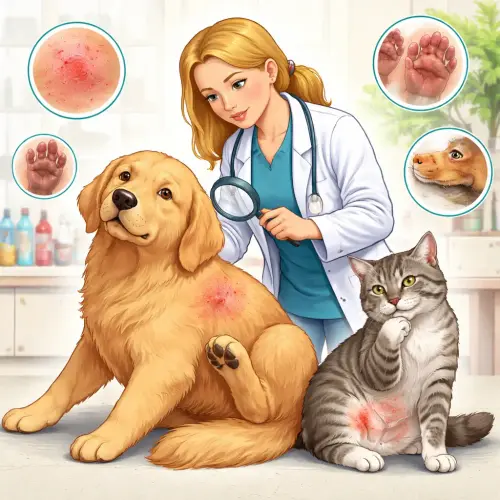
What Every Pet Owner Should Know About Skin Problems in Pets
Your pet’s skin is its first line of defense against the environment. When something goes wrong, it often shows up as visible changes in the coat or behavior. Learning to recognize signs of pet skin issues early can make a big difference in treatment success and cost. Many conditions are manageable or curable if caught early, but delaying care can lead to chronic discomfort or secondary infections. For a related guide, see 7 Early Signs of Serious Disease in Pets: Don’t Ignore These.
Skin conditions in dogs and cats are among the top reasons for veterinary visits. According to the American Veterinary Medical Association, allergic skin disease alone affects about 10-15% of the canine population (AVMA Skin Conditions Resource). Being vigilant about pet skin symptoms is part of responsible pet ownership.
12 Signs of Skin Problems in Pets
Each of these indicators can point to a different underlying issue. Use this checklist to monitor your pet’s skin health regularly.
1. Excessive Scratching or Itching
What it looks like: Your pet scratches more than usual, rubs against furniture, or nibbles at its skin.
Possible cause: Fleas, mites, food allergies, or environmental allergens (pollen, mold).
When to see a vet: If scratching lasts more than a few days or leads to raw spots, schedule an appointment. Persistent scratching can cause secondary bacterial infections.
2. Redness or Inflammation
What it looks like: Patches of red, swollen skin, often on the belly, paws, or ears.
Possible cause: Contact dermatitis (from shampoos, fabrics, or plants), hot spots, or infections.
When to see a vet: Redness that spreads or appears with discharge or odor needs prompt evaluation.
3. Hair Loss or Bald Patches
What it looks like: Thinning fur or circular bald spots, sometimes with a scaly border.
Possible cause: Ringworm (a fungal infection), mange mites, hormonal imbalances (like hypothyroidism or Cushing’s disease), or stress-induced alopecia.
When to see a vet: Hair loss that is not seasonal or appears in unusual patterns requires diagnostic testing.
4. Flaky or Dandruff-Like Skin
What it looks like: White flakes on the coat or in the pet’s bedding, dry patches on the skin.
Possible cause: Low humidity, poor diet lacking essential fatty acids, seborrhea, or parasites like cheyletiella mites (walking dandruff).
When to see a vet: If dandruff persists despite dietary improvements or if the skin appears greasy and inflamed.
5. Unusual Odor
What it looks like: A strong, foul, or yeasty smell coming from the skin, ears, or coat.
Possible cause: Yeast or bacterial overgrowth, anal gland issues, or ear infections.
When to see a vet: An odor that does not go away after bathing, or is accompanied by discharge, needs a vet’s attention.
6. Lumps, Bumps, or Swellings
What it looks like: Raised areas under the skin, firm or soft masses, sometimes tender to the touch.
Possible cause: Cysts, abscesses, allergic reactions, or tumors (benign or malignant).
When to see a vet: Any new lump that persists for more than two weeks, grows, or causes discomfort should be examined. Fine needle aspiration may be recommended.
7. Open Sores or Scabs
What it looks like: Crusty lesions, weeping wounds, or scabs that don’t heal quickly.
Possible cause: Self-trauma from scratching, bacterial infections, or autoimmune diseases.
When to see a vet: Open sores that are painful, oozing, or surrounded by redness require medical care to prevent deeper infection.
8. Excessive Licking or Chewing
What it looks like: Your pet licks paws, legs, or tail obsessively, often causing staining or hair loss.
Possible cause: Allergies, boredom, anxiety, or injury. Acral lick dermatitis (lick granuloma) is a common consequence.
When to see a vet: If the behavior disrupts daily life or creates raw skin, a vet can rule out medical causes and suggest behavior modification.
9. Scaly or Crusty Skin
What it looks like: Thick, rough patches, sometimes with yellow or gray crusts, often on the ears, face, or elbows.
Possible cause: Seborrhea, autoimmune disorders (like pemphigus), or fungal infections.
When to see a vet: Persistent scaling or crusting that does not improve with routine grooming warrants a skin scrape or biopsy.
10. Darkening or Thickening of the Skin
What it looks like: Skin appears darker, thicker, or leathery, often in patches.
Possible cause: Chronic inflammation or allergies, hormonal diseases (hypothyroidism), or acanthosis nigricans.
When to see a vet: Skin texture changes that develop slowly or suddenly need a thorough workup, including blood tests and skin biopsies.
11. Ear Inflammation or Discharge
What it looks like: Red, itchy ears with brown, yellow, or black discharge; head shaking or tilting.
Possible cause: Ear mites, yeast infections, bacterial infections, or foreign bodies.
When to see a vet: Ear problems rarely resolve on their own. Untreated infections can lead to chronic issues or hearing loss.
12. Swollen or Red Paw Pads
What it looks like: Pads are red, cracked, bleeding, or swollen; your pet may limp or avoid walking.
Possible cause: Allergies, burns from hot pavement or chemicals, foreign objects, or autoimmune pododermatitis.
When to see a vet: Paw pad injuries that are not healing, or if your pet is in obvious pain, need immediate care.
When to See a Veterinarian for Skin Problems in Pets
If you observe one or more of these signs of skin problems in pets for more than a few days, it is wise to consult a veterinarian. Some skin conditions, like ringworm or sarcoptic mange, can also spread to humans. Your vet will likely perform a physical exam, skin scrape, cytology, and possibly allergy testing or blood work to pinpoint the cause. Early intervention often means simpler treatment and faster recovery.
For mild symptoms like occasional dandruff, start by ruling out simple causes: verify your pet’s diet includes omega-3 fatty acids, use a humidifier in dry climates, and bathe with a gentle oatmeal shampoo. Keep a diary of when symptoms flare — this can help identify environmental triggers.
Useful Resources
- VCA Animal Hospitals: Skin Disorders in Dogs — Comprehensive overview of common dermatological conditions in canines.
- PetMD: Atopic Dermatitis in Dogs — Detailed information on allergic skin disease and management strategies.
Frequently Asked Questions About signs of skin problems in pets
What are the most common signs of skin problems in pets ?
The most common signs of skin problems in pets include excessive scratching, redness, hair loss, dandruff, unusual odor, and lumps. Each can point to different underlying causes, from allergies to infections.
How can I tell if my pet has a skin infection?
Look for signs like persistent redness, swelling, discharge (pus or yeasty material), a foul smell, and discomfort when touched. If you see these, a vet should assess the area and may perform a cytology test.
Can food allergies cause skin problems in pets ?
Yes, food allergies are a common trigger for skin issues. Symptoms often include itching around the face, paws, and ears, along with recurrent ear infections. A veterinary elimination diet can help identify the offending ingredient.
What does a yeast infection look like on a dog’s skin?
Yeast infections typically cause red, greasy skin with a musty or sweet smell, often in the ears, armpits, and paw folds. The skin may appear thickened and dark over time. Veterinary treatment includes antifungal shampoos or oral medications.
Is dandruff in pets always a sign of a problem?
Occasional dandruff can be normal, especially in dry weather. However, persistent or greasy dandruff, especially with redness or itching, may indicate seborrhea or parasitic infections like cheyletiella mites.
Can stress cause skin issues in dogs and cats?
Yes, stress and anxiety can lead to excessive licking, chewing, and scratching, which damages the skin. This is often called psychogenic alopecia or acral lick dermatitis. Managing the underlying stress is key to resolution.
How do vets diagnose skin problems in pets ?
Vets start with a physical exam and history. They often perform skin scrapes, cytology (looking at skin cells under a microscope), fungal cultures, allergy testing, or blood work to identify the cause.
What home remedies are safe for pet skin issues?
Mild cases may benefit from oatmeal baths, coconut oil (applied sparingly), or dietary omega-3 supplements. However, always consult a vet before trying home remedies, as some can worsen the condition or delay proper treatment.
Are certain breeds more prone to skin problems?
Yes. Breeds like Bulldogs, Golden Retrievers, German Shepherds, and Labrador Retrievers are prone to allergies and skin infections. Cats like Persians and Siamese may also have higher rates of dermatological issues.
Can skin problems in pets be contagious to humans?
Some conditions, such as ringworm (a fungal infection) and sarcoptic mange (mites), are zoonotic and can spread to people. If you suspect these, handle your pet with gloves and seek veterinary care promptly.
How often should I bathe my pet for healthy skin?
Frequency depends on breed and activity level. Most dogs need bathing every 4–6 weeks with a gentle shampoo. Over-bathing can strip natural oils and cause dryness. Cats generally do not require baths unless medically recommended.
What role does diet play in pet skin health?
A balanced diet rich in omega-3 fatty acids, high-quality protein, and essential vitamins supports skin barrier function. Deficiencies can lead to dry, flaky skin and a dull coat.
When should I worry about a lump on my pet’s skin?
Any lump that is new, growing, painful, or present for more than two weeks should be examined. Your vet may recommend fine needle aspiration or biopsy to rule out malignancy.
Can excessive licking cause secondary infections?
Absolutely. Constant licking breaks the skin barrier, allowing bacteria to enter. This often leads to pyoderma or hot spots that require antibiotics and behavior modification.
Are seasonal allergies common in pets?
Yes, seasonal allergies (atopic dermatitis) are very common. They typically cause itching, paw licking, and ear infections during pollen seasons. Treatment includes antihistamines, immunotherapy, or medicated baths.
What is the best way to prevent flea-related skin issues?
Year-round flea prevention, using products recommended by your vet, is the most effective method. Regularly vacuuming and washing pet bedding also reduce the flea population in your home.
Can skin problems be a sign of a more serious disease?
Yes, skin issues can sometimes indicate underlying conditions like hypothyroidism, Cushing’s disease, or immune-mediated disorders. That is why persistent symptoms always warrant a veterinary evaluation. For a related guide, see 8 Symptoms You Should Never Ignore: Expert Warning Signs.
How long does it take for pet skin treatments to work?
Response time varies. Allergies may take weeks to control after identifying triggers. Bacterial infections often improve within 3–7 days of antibiotics. Your vet will provide a specific timeline based on the diagnosis.
Is it safe to use human skincare products on my pet?
No. Human products often contain ingredients like zinc oxide, essential oils, or steroids that can be toxic or irritating to pets. Always use veterinary-approved products for your animal.
What should I do if my pet’s skin condition does not improve?
If symptoms persist despite initial treatment, follow up with your vet. They may need to adjust the treatment plan, perform additional tests, or refer you to a veterinary dermatologist for specialized care.