



signs your pet has worms Key Takeaways
Recognizing the subtle signs your pet has worms early can prevent serious health issues and save you costly vet bills.
- Learn the 12 most common pet worms signs that owners often miss
- Understand when a veterinary visit is urgent versus a routine checkup
- Get clear, actionable treatment steps that protect your dog or cat
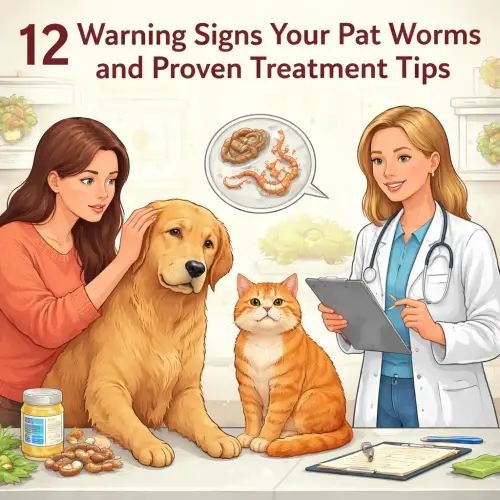
Why Knowing the Signs Your Pet Has Worms Matters
Intestinal parasites are more common than most pet owners realize. In fact, the Companion Animal Parasite Council (CAPC) estimates that over 30% of dogs and 25% of cats in the U.S. are infected with at least one type of worm at any given time. Left untreated, worms can cause malnutrition, anemia, intestinal blockages, and even transmit diseases to humans. Catching the warning pet worms signs early makes treatment simpler, safer, and more affordable. For a related guide, see 9 Early Parvovirus Symptoms in Dogs: Essential Warning Signs.
The 12 Telltale Signs Your Pet Has Worms
1. Scooting or Dragging the Bottom
If your pet drags its rear across the floor or grass, it may be trying to relieve itching caused by tapeworm segments or pinworms. This is one of the classic pet worms signs that owners notice first.
2. Visible Worms or Segments in Stool
Whole worms or rice-like segments in fresh feces are a clear indicator. Roundworms look like spaghetti; tapeworm segments resemble grains of rice. Spotting these is a definitive sign your pet has worms.
3. Sudden Weight Loss Despite a Good Appetite
Worms steal nutrients from your pet’s digestive system. If your dog or cat is eating normally but losing weight, parasites may be the culprit. This pet worms sign is especially common in young animals.
4. Potbellied Appearance
A round, distended belly on a puppy or kitten often signals a heavy worm burden. This classic sign your pet has worms is caused by inflammation and blockages in the intestines.
5. Vomiting (Sometimes with Worms)
Frequent vomiting—especially if you see worms in the vomit—is a strong pet worms sign. Hookworms and roundworms can migrate to the stomach and trigger this reaction.
6. Diarrhea or Soft Stool
Chronic diarrhea, sometimes with mucus or blood, often accompanies worm infections. If your pet has loose stools for more than two days, consider checking for pet worms signs.
7. Lethargy and Reduced Activity
Pets with worms often seem tired, weak, or less playful. The parasites deplete essential nutrients and energy, leading to noticeable lethargy—a common but overlooked sign your pet has worms.
8. Poor Coat Condition
A dull, dry, or patchy coat can indicate internal parasites. Healthy pets have shiny fur, while worm-infected animals may look unkempt. This pet worms sign is often overlooked until other symptoms appear.
9. Excessive Licking or Biting at the Rear
Pets irritated by worms may lick, bite, or chew around their tail and anus. This behavior, especially in dogs, is a common sign your pet has worms that owners mistake for allergies.
10. Coughing or Respiratory Issues
Some worms, like lungworms and roundworms, migrate through the lungs during their lifecycle. A persistent cough, especially in puppies and kittens, may indicate a developing worm infection.
11. Anemia (Pale Gums)
Hookworms attach to the intestinal lining and feed on blood, leading to severe anemia. Check your pet’s gums—pale or white tissues are an urgent pet worms sign that requires immediate veterinary care.
12. Changes in Appetite (Increased or Decreased)
Some worms increase hunger, while others cause nausea and appetite loss. Any unexplained shift in eating patterns can be a subtle sign your pet has worms.
How to Confirm and Treat Pet Worms Signs
If you notice one or more of these pet worms signs, your next step is a veterinary fecal exam. A simple stool sample can identify the type of worm and determine the safest deworming medication. Treatment is often a single dose or a short course of oral medication, and your vet will recommend a follow-up test to ensure all parasites are gone.
Common Deworming Medications
| Parasite Type | Common Medication | Typical Duration |
|---|---|---|
| Roundworms | Pyrantel pamoate | 1–3 doses |
| Hookworms | Fenbendazole | 3–5 days |
| Tapeworms | Praziquantel | Single dose |
| Whipworms | Fenbendazole | 3–5 days |
When to Seek Emergency Care
If your pet shows severe pet worms signs such as collapse, severe anemia, rapid weight loss, or a complete refusal to eat, see a veterinarian immediately. Puppies and kittens with heavy worm burdens can deteriorate within hours.
Prevention Tips to Avoid Future Signs Your Pet Has Worms
Year-round flea control and regular fecal exams are your best defenses against worms. Many heartworm preventives also protect against roundworms and hookworms. Clean up feces in your yard promptly, and discourage your pet from eating rodents or raw meat.
Useful Resources
- American Veterinary Medical Association – Internal Parasites in Pets – Official guidelines on prevention, symptoms, and treatment from veterinary experts.
- CDC – Parasites and Your Pet – Comprehensive information on how worms affect pets and humans, with prevention strategies.
Frequently Asked Questions About signs your pet has worms
Can I see signs your pet has worms without a vet visit?
Some signs your pet has worms like visible worms in stool or vomiting are obvious, but many are subtle. A vet fecal test is the only reliable way to confirm. For a related guide, see 12 Common Pet Illnesses Explained: Essential Warning Signs.
Are pet worms signs the same for dogs and cats?
Most pet worms signs overlap between dogs and cats, but cats may be more subtle about hiding symptoms. Both species should be tested annually.
Can humans catch worms from pets?
Yes. Roundworms, hookworms, and tapeworms can spread to humans through contaminated soil or feces. This is why treating pet worms signs early protects your whole family.
How often should I check for signs your pet has worms ?
At least twice a year for adult pets, and monthly for puppies and kittens. Regular fecal exams are recommended by the CAPC.
Can worms cause death in pets?
Yes. Untreated hookworms can cause fatal anemia in puppies, and heavy roundworm burdens can cause intestinal blockages. Any sign your pet has worms warrants attention.
Do natural dewormers work for pet worms signs ?
Most natural remedies lack evidence. Pumpkin seeds, garlic, and diatomaceous earth are not proven treatments. Veterinary dewormers are much safer and more effective.
Can I buy dewormer without a prescription?
Some over-the-counter dewormers exist, but they often target only one worm type. A vet can prescribe a broad-spectrum treatment after confirming the pet worms signs.
How long after treatment will pet worms signs go away?
Symptoms like diarrhea usually improve within 24–48 hours. Weight gain may take a couple weeks. Follow-up testing is important to ensure the infection is cleared.
Can stress trigger signs your pet has worms ?
Stress doesn’t cause worms, but it can weaken your pet’s immune system, making existing infections more apparent. Regular deworming helps regardless.
What does worm poop look like?
Fresh stool may contain live worms (spaghetti-like) or small rice-grain segments. These are definitive pet worms signs.
Can my pet have worms without any pet worms signs ?
Yes. Many adult pets are asymptomatic carriers. This is why routine fecal exams are recommended even if no signs your pet has worms are visible.
Are there different pet worms signs for tapeworms vs roundworms?
Yes. Tapeworms often cause scooting and rice-like segments; roundworms cause potbelly and vomiting. But general signs your pet has worms overlap significantly.
Can worms affect my pet’s sleep?
Worms cause digestive discomfort, which can disrupt sleep. Restlessness or frequent waking may be an overlooked sign your pet has worms.
How do fleas relate to pet worms signs ?
Fleas carry tapeworm larvae. If your pet swallows a flea while grooming, it can develop tapeworms. Controlling fleas prevents this common pet worms sign.
Can indoor-only cats show signs your pet has worms ?
Yes. Indoor cats can get worms from houseflies, contaminated litter, or fleas brought in by other pets. Regular monitoring is still important.
What is the best deworming schedule for puppies?
Puppies should be dewormed every 2 weeks from 2 weeks of age until 8 weeks, then monthly until 6 months. This prevents pet worms signs from developing.
Can worms cause allergies in pets?
Worm infections can trigger immune responses that worsen skin allergies. Treating the worms often reduces itching and other allergic pet worms signs.
Should I treat all my pets if one shows signs your pet has worms ?
If one pet in a multi-pet household has worms, others are likely exposed. Many vets recommend treating all animals at the same time.
Can I prevent pet worms signs with diet alone?
No single diet prevents worms. However, good nutrition supports your pet’s immune system, making it harder for parasites to establish.
Do all pet worms signs appear immediately after infection?
No. Symptoms can take days or even weeks to appear, depending on worm type and burden. This is why routine fecal testing is essential.