


parvovirus symptoms in dogs Key Takeaways
Parvovirus is a highly contagious and potentially fatal disease that attacks a dog’s gastrointestinal tract and immune system, with puppies and unvaccinated dogs at greatest risk.
- The most common early parvovirus symptoms in dogs include lethargy, loss of appetite, and fever before gastrointestinal signs appear.
- Vomiting and diarrhea — often bloody — are hallmark signs that require immediate veterinary attention.
- Early detection paired with aggressive veterinary care can push survival rates above 90 percent.
What Every Dog Owner Should Know About Parvovirus
Canine parvovirus (CPV) is a tough, highly resilient virus that can survive in the environment for months. It spreads through direct contact with infected feces, contaminated surfaces, or even the hands and clothing of people who have handled an infected dog. Puppies between six weeks and six months old are especially vulnerable because their immune systems are still developing. Breeds like Rottweilers, Doberman Pinschers, and Labrador Retrievers appear to have a higher risk of severe disease. Because the virus attacks rapidly dividing cells — particularly in the intestinal lining and bone marrow — early treatment is critical. Knowing the early signs of parvo in puppies can make the difference between a full recovery and a tragic outcome. For a related guide, see 7 Smart Reasons Regular Vet Visits Matter – Don’t Skip.
The 9 Earliest Parvovirus Symptoms in Dogs
The following symptoms often appear in a predictable sequence, though not every dog will show every sign. Pay close attention to any combination of these warning signals, especially in young or unvaccinated dogs.
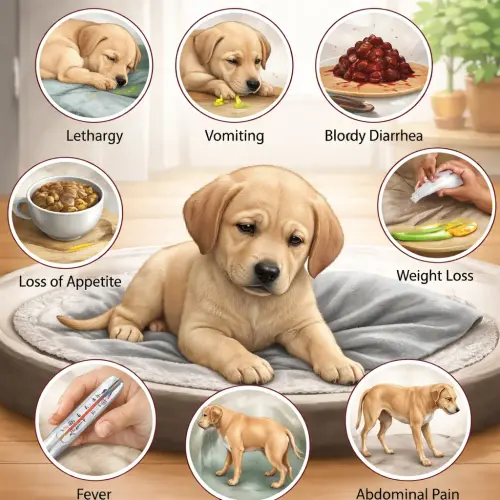
1. Lethargy and Unusual Tiredness
The very first parvovirus symptom in dogs is often a sudden drop in energy. Your normally playful puppy may seem unusually quiet, sleep more than usual, or lose interest in toys and walks. This happens because the virus begins attacking white blood cells, weakening the immune system and causing systemic fatigue. If your dog just seems “off” and the lethargy persists for more than a few hours, it is worth a veterinary check.
2. Loss of Appetite
Dogs infected with parvo frequently refuse food and even water. The virus inflames the lining of the stomach and intestines, making eating uncomfortable or painful. A healthy dog that suddenly turns away from its favorite treats or skips multiple meals should raise a red flag. Dehydration can follow quickly if the dog stops drinking, compounding the danger.
3. Fever or Low Body Temperature
Fever is a common early parvovirus symptom in dogs. The body raises its temperature to fight off the infection. Normal canine temperature ranges from 101 to 102.5 degrees Fahrenheit. A reading above 103.5 degrees warrants concern. In later stages, especially after severe dehydration sets in, body temperature can drop below normal — a dangerous sign called hypothermia. If you suspect parvo, take your dog’s temperature rectally with a dedicated pet thermometer.
4. Vomiting
Vomiting often starts within 24 to 48 hours after the initial lethargy. At first, it may be clear or foamy fluid. As the disease progresses, vomit can become yellow (bile) or contain traces of blood. Repeated vomiting leads to rapid fluid loss and electrolyte imbalances. Do not wait to see if vomiting stops on its own — parvo-induced vomiting rarely resolves without intervention.
5. Diarrhea (Often with Blood)
Along with vomiting, diarrhea is a hallmark of parvo. Stools may start soft and pale, then quickly become watery with a strong, foul odor. The characteristic “bloody diarrhea” appears as the virus destroys intestinal cells, causing bleeding. The blood may be bright red or dark and tarry. This is one of the most recognizable early signs of parvo in puppies and must be treated as an emergency.
6. Dehydration
Because vomiting and diarrhea remove fluids faster than the dog can replace them, dehydration sets in quickly. You can test for dehydration by gently lifting the skin between the shoulder blades. If it does not snap back into place immediately, the dog is dehydrated. Other signs include dry, sticky gums, sunken eyes, and a loss of skin elasticity. Dehydration worsens every other symptom and can lead to shock. For a related guide, see 10 Warning Signs Your Pet Is Dehydrated – Expert Checklist.
7. Abdominal Pain and Bloating
Infected dogs often show signs of belly discomfort. They may hunch their backs, whimper when picked up, or resist being touched around the abdomen. The belly may appear slightly bloated or distended due to gas buildup and intestinal inflammation. A dog that repeatedly looks at its own side or licks the air may be experiencing nausea or pain.
8. Weakness and Collapse
As the virus progresses and dehydration worsens, muscle weakness becomes evident. The dog may stumble, have trouble standing, or collapse when trying to walk. This is a combination of low blood sugar, electrolyte imbalances, and systemic infection. If your puppy cannot stand or seems unsteady on its feet, seek emergency care immediately.
9. Rapid Heart Rate and Respiratory Changes
In advanced early stages, the heart rate may increase as the body tries to compensate for low blood volume. Breathing may become shallow or rapid. You might notice pale or bluish gums, indicating poor oxygen circulation. These are signs of impending shock and require aggressive veterinary intervention.
Prevention and Immediate Treatment for Parvovirus
Prevention is far more effective and less costly than treatment. The core parvovirus vaccine is highly protective and is typically given in a series starting at six to eight weeks of age. Puppies should receive boosters every three to four weeks until they are at least 16 weeks old, followed by a booster at one year and then every one to three years depending on your veterinarian’s recommendation. Until fully vaccinated, avoid taking your puppy to dog parks, pet stores, or other areas where unvaccinated dogs may have been.
What to Do If You Suspect Parvo
If you notice any combination of the nine parvovirus symptoms in dogs described above, follow these steps:
- Call your veterinarian immediately. Describe the symptoms and follow their instructions. Do not take the dog into the waiting room without warning the clinic — parvo is highly contagious to other dogs.
- Do not try home remedies. Parvo requires intensive veterinary care, including IV fluids, anti-nausea medication, antibiotics, and sometimes blood transfusions. There is no effective home treatment.
- Isolate the sick dog. Keep it away from other pets. Clean all surfaces, bowls, bedding, and your own clothing with a bleach solution (1 part bleach to 30 parts water) because the virus is resistant to many common cleaners.
- Bring a fresh stool sample to the vet if possible. A fecal antigen test can confirm parvo in minutes.
With aggressive treatment, survival rates for parvo are around 90 percent when caught early. Without treatment, the mortality rate can exceed 90 percent, especially in puppies.
Who Is Most at Risk?
The dogs most vulnerable to severe parvovirus infection are:
- Unvaccinated or partially vaccinated puppies aged six weeks to six months.
- Dogs with weakened immune systems due to stress, malnutrition, or concurrent illness.
- Certain breeds, including Rottweilers, Doberman Pinschers, Pit Bulls, and Labrador Retrievers, which may have a genetic predisposition to more severe disease.
Adult dogs with up-to-date vaccinations are far less likely to contract parvo, though it is not impossible. Even vaccinated dogs can sometimes develop mild infections if exposed to a very high viral load.
Useful Resources
- American Veterinary Medical Association — Canine Parvovirus Overview — A comprehensive resource from the AVMA covering symptoms, transmission, and vaccination guidelines.
- UC Davis Veterinary Medicine — Parvovirus Information — Detailed clinical information on diagnosis, treatment protocols, and prognosis from a leading veterinary teaching hospital.
Frequently Asked Questions About parvovirus symptoms in dogs
Can a vaccinated dog get parvovirus?
While vaccines are highly effective, no vaccine provides 100 percent protection. Some vaccinated dogs can still contract parvo if exposed to a high viral load, though symptoms are typically milder and survival rates are higher.
How long after exposure do parvo symptoms appear?
The incubation period for canine parvovirus is usually 3 to 7 days, though it can range from 2 to 14 days. Symptoms typically begin with lethargy and appetite loss, followed by vomiting and diarrhea within 24 to 48 hours.
Can humans catch parvo from dogs?
No. Canine parvovirus is species-specific and does not infect humans. However, people can carry the virus on their hands, shoes, and clothing and transmit it to other dogs.
What does parvo poop look like in the early stages?
Early parvo diarrhea may start as soft, yellowish or grayish stool with a very foul odor. Within 24 hours it often turns watery and contains streaks of bright red blood or dark, tarry blood.
Is there a home test for parvo in dogs?
Yes, there are over-the-counter fecal antigen test kits that can detect parvo in stool samples. They are fairly accurate but not as reliable as a veterinary lab test. A negative home test should not be reassuring if symptoms are present — always follow up with a vet.
How much does parvo treatment cost?
Treatment costs vary widely depending on location, severity, and duration of hospitalization. Expect $500 to $2,000 for mild cases and $3,000 to $8,000 or more for intensive care. Pet insurance can help offset these costs.
What is the survival rate for parvo in puppies?
With prompt, aggressive veterinary treatment, survival rates are approximately 85 to 95 percent. Without treatment, mortality rates exceed 90 percent, particularly in young puppies.
Can parvo be cured without a vet?
No. Parvo requires supportive veterinary care, including IV fluids, anti-nausea medications, antibiotics to prevent secondary infections, and sometimes plasma transfusions. There is no home cure.
How do I disinfect my house after parvo?
Use a 1:30 dilution of bleach (one cup bleach per gallon of water) on hard, non-porous surfaces. Steam clean carpets at 120 degrees Fahrenheit. Throw away porous items like bedding or toys that cannot be disinfected. The virus can survive indoors for months if not properly cleaned.
Can parvo come back after treatment?
Dogs that survive parvo develop strong immunity and rarely contract the same strain again. However, the virus can persist in the environment and infect other dogs. Reinfection is possible years later if immunity wanes and the dog is exposed to a different strain.
What age is the most dangerous for parvo in puppies?
Puppies between six weeks and six months old are at highest risk because maternal antibodies wane, and vaccination series may not yet be complete. The most critical window is during the gap between maternal antibody decline and full vaccine protection.
Do older dogs get parvo?
Yes, adult dogs of any age can contract parvo if they are unvaccinated or have weakened immune systems. However, cases are far less common in adults with current vaccines.
How do vets test for parvo?
The most common test is a fecal ELISA (enzyme-linked immunosorbent assay) that detects parvovirus antigens in a fresh stool sample. Results are available in about 15 minutes. Vets may also perform blood work to check white blood cell counts, which are typically very low during infection.
Can parvo cause permanent damage in survivors?
Most dogs recover fully, but some may have long-term gastrointestinal sensitivity or secondary health issues. In severe cases, the heart muscle can be damaged in very young puppies (myocarditis), which can be fatal or cause permanent heart problems.
Is parvo airborne?
No, parvovirus is not airborne. It is transmitted through the fecal-oral route — ingestion of infected feces or contaminated surfaces. It can also spread indirectly through contaminated objects (fomites).
How can I prevent parvo in my puppy?
Follow your veterinarian’s recommended vaccination schedule starting at 6 to 8 weeks. Keep your puppy away from unvaccinated dogs, dog parks, and public areas until at least two weeks after the last booster. Practice good hygiene by washing your hands after handling other dogs.
Can parvo live on grass?
Yes, the parvovirus can survive on grass, soil, and other outdoor surfaces for months, especially in cool, moist, and shaded areas. Direct sunlight and drying can deactivate the virus faster, but it remains a persistent environmental threat.
What is the difference between parvo and distemper in dogs?
Both are serious viral diseases, but parvo primarily affects the gastrointestinal tract and immune system, while distemper attacks the respiratory, gastrointestinal, and nervous systems. Distemper often includes eye and nose discharge, coughing, and later neurological signs like twitching and seizures.
Should I adopt a dog that had parvo?
Yes, dogs that have fully recovered from parvo are generally healthy and develop strong immunity. They can make wonderful pets. Just ensure they have completed all post-recovery vet checks and are up to date on vaccinations for other diseases.
How long is a dog with parvo contagious?
Dogs are contagious from about 3 to 7 days after exposure and can continue to shed the virus in their stool for up to 2 to 3 weeks after recovery. Isolate recovered dogs from unvaccinated pets during that period.