



health risks of skipping deworming Key Takeaways
Intestinal worms are far more common than many people realize, and the health risks of skipping deworming can quietly damage your body over time.
- The health risks of skipping deworming range from mild fatigue to life-threatening organ damage, especially in vulnerable populations.
- Why deworming is important goes beyond just gut health — it supports immunity, cognitive development, and long-term well-being.
- The consequences of not deworming are often silent for years, making routine prevention a critical habit.
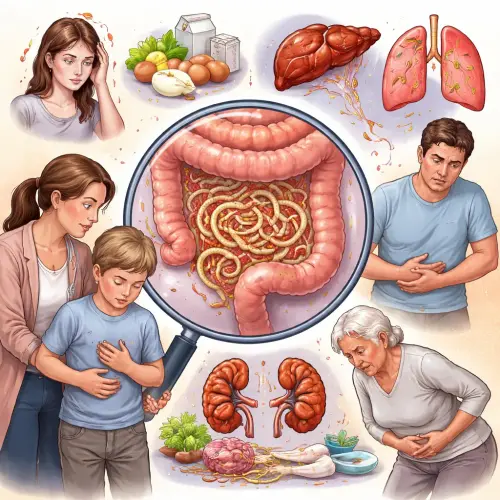
Understanding the Health Risks of Skipping Deworming
Deworming is often treated as an afterthought, especially in regions where parasitic infections are less visible. Yet the World Health Organization estimates that over 1.5 billion people globally are infected with soil-transmitted helminths. The health risks of skipping deworming are not limited to tropical areas; even in developed nations, imported food, international travel, and pet contact can introduce parasites. Recognizing why deworming is important for every age group helps you make informed preventive choices. For a related guide, see 12 Common Pet Diseases in the Philippines Every Owner Should Know.
The 11 Health Risks of Skipping Deworming
Below are the most significant consequences of not deworming, each backed by clinical evidence and real-world observation.
1. Chronic Nutritional Deficiencies
Parasitic worms feed directly on host nutrients, especially iron, protein, and vitamin A. Over time, this leads to anemia, stunted growth, and weakened immunity. The health risks of skipping deworming include irreversible developmental delays in children.
2. Iron Deficiency Anemia
Hookworms attach to intestinal walls and consume blood, causing substantial iron loss. Fatigue, pale skin, and shortness of breath are common symptoms. Regular deworming restores iron levels and prevents the cascade of anemia-related complications. For a related guide, see 10 Common Skin Problems in Dogs and Cats: Expert Advice to Avoid Them.
3. Impaired Cognitive Development in Children
Why deworming is important for school-age children cannot be overstated. Studies show that parasitic infections reduce concentration, memory, and academic performance. The consequences of not deworming in early life can persist into adulthood, limiting career and earning potential.
4. Intestinal Obstruction and Perforation
Large roundworm burdens (Ascaris) can physically block the intestines, causing severe abdominal pain, vomiting, and obstructions that require emergency surgery. This is one of the most acute health risks of skipping deworming.
5. Chronic Inflammation and Gut Damage
Parasites trigger persistent low-grade inflammation in the gastrointestinal tract, damaging the mucosal lining and increasing intestinal permeability. This leaky gut can then contribute to food sensitivities and autoimmune flares.
6. Weakened Immune Response
Worms manipulate the host immune system to survive, often suppressing Th1 responses. This makes the body more vulnerable to bacterial, viral, and other parasitic co-infections. The health risks of skipping deworming include higher susceptibility to tuberculosis, HIV, and malaria in endemic areas. For a related guide, see 9 Early Parvovirus Symptoms in Dogs: Essential Warning Signs.
7. Stunted Physical Growth in Children
Chronic infection steals calories and proteins needed for bone and muscle development. Without treatment, height and weight fall behind age-adjusted norms. Why deworming is important for children under five is a global public health priority for this reason.
8. Heavier Parasite Burden Over Time
Many deworming medications target egg-producing adult worms. Skipping doses allows the cycle to continue, leading to exponentially larger worm loads. The consequences of not deworming are cumulative: each missed treatment raises the burden.
9. Organ Migration and Tissue Damage
Some larvae migrate through the liver, lungs, and eyes before maturing in the gut. This migration can cause pneumonitis, liver granulomas, and even blindness. These severe health risks of skipping deworming are entirely preventable with regular dosing.
10. Malabsorption of Vitamins and Medications
Worms damage the intestinal lining, reducing absorption of fat-soluble vitamins (A, D, E, K) and certain medications, including oral contraceptives and antiretroviral drugs. This hidden effect can undermine other medical treatments.
11. Increased Risk of Appendicitis and Biliary Disease
Ascaris worms can migrate into the appendix or bile ducts, causing inflammation, obstruction, and infection. Surgical removal may be needed, adding to the health risks of skipping deworming in severe cases.
Why Deworming Is Important for Every Age Group
Understanding why deworming is important helps overcome the “it doesn’t apply to me” mindset. Infants, school children, adults, and even the elderly face distinct risks when treatment is skipped.
Infants and Toddlers
Young children explore the world orally, making them high-risk for egg ingestion. The health risks of skipping deworming in this group include acute malnutrition and failure to thrive.
School-Age Children
Deworming programs in schools reduce absenteeism by 25% on average. The consequences of not deworming in this group directly impact future earnings and quality of life.
Adults and Elderly
In adults, chronic parasitic infection accelerates aging-related declines. Why deworming is important for seniors includes maintaining immune resilience and preventing unexplained weight loss.
| Age Group | Key Health Risk of Skipping Deworming | Recommended Action |
|---|---|---|
| Infants (1-2 years) | Iron deficiency, growth faltering | Consult pediatrician for safe antiparasitic |
| Children (3-12 years) | Cognitive impairment, stunting | Annually, or twice if high-risk |
| Adults (18-60 years) | Chronic inflammation, fatigue | Every 6-12 months based on exposure |
| Elderly (60+) | Malabsorption, weakened immunity | Annually, with nutritional support |
Practical Prevention Tips to Avoid the Consequences of Not Deworming
Beyond medication, simple habits dramatically lower the health risks of skipping deworming. Implement these alongside your treatment schedule for maximum protection.
Hygiene Practices
Wash hands with soap after using the toilet, before eating, and after gardening. Cut fingernails short to avoid trapping eggs. Teach children not to put dirty hands in their mouths.
Food and Water Safety
Avoid raw or undercooked meat, especially pork and freshwater fish. Wash fruits and vegetables thoroughly. Drink only clean, filtered, or boiled water in areas with poor sanitation.
Environmental Control
Dispose of human and animal feces safely. Wear shoes outdoors in soil-contact areas. Keep pets on regular veterinary deworming schedules to reduce household transmission.
Useful Resources
For deeper understanding, refer to these evidence-based sources:
- WHO: Soil-transmitted helminth infections — Comprehensive global data and prevention guidelines.
- CDC: Parasites Index — Detailed information on specific worm species, symptoms, and treatment protocols.
Frequently Asked Questions About health risks of skipping deworming
Can skipping deworming cause permanent damage?
Yes, chronic infections can lead to irreversible stunting in children, cognitive deficits, and long-term organ damage if untreated for years.
How often should adults deworm?
Adults with low exposure can deworm every 12 months; those in high-risk settings (travel, gardening, pet contact) should do so every 6 months.
What are the first signs of a worm infection?
Common early signs include unexplained fatigue, abdominal pain, bloating, nausea, diarrhea, and itching around the anus.
Can I naturally prevent worms without medication?
While hygiene reduces exposure, natural remedies are not reliably effective. Medication is the only proven method for clearing existing infections.
Are the health risks of skipping deworming higher in children?
Yes, children are more vulnerable because of smaller body mass, developing brains, and higher risk of nutrient theft.
Can adults develop infections without symptoms?
Absolutely. Many adult infections are asymptomatic for months or years, making routine deworming essential for detection and prevention.
Does deworming help with weight loss?
No. Deworming typically leads to weight gain as the body regains lost nutrients — it is not a weight loss treatment.
Can skipping deworming affect mental health?
Yes. Chronic fatigue, brain fog, and irritability are common in worm infections, partly due to malnutrition and inflammation.
What is the most dangerous worm infection?
Severe Ascaris infections can cause intestinal obstruction and lead to death if not treated surgically.
Do pets increase my risk of worms?
Yes, especially roundworms and hookworms. Regular veterinary deworming of pets reduces household transmission risk.
Can I get worms from eating raw vegetables?
Yes, if soil containing worm eggs is not washed off thoroughly. Contaminated water used for irrigation is a common source.
Is it safe to deworm during pregnancy?
Albendazole and mebendazole are generally avoided in the first trimester. Consult your obstetrician before treatment during pregnancy.
What are the consequences of not deworming after international travel?
Travel to endemic areas raises the risk of importing parasites, potentially infecting family members and causing community spread.
How long does it take to notice improvement after deworming?
Many people feel better within 24-48 hours as bloating and fatigue diminish, though full nutritional repair takes weeks.
Can deworming cause side effects?
Mild side effects like stomach upset, nausea, or dizziness are possible for 1-2 days. Severe reactions are rare.
Do children need deworming if they have no symptoms?
Yes. Regular deworming is recommended in endemic areas even without symptoms because infections are often silent.
What is the best deworming medicine?
Albendazole and mebendazole are the most common and effective single-dose treatments. Your doctor can advise on the best option for you.
Can worms cause allergies?
Parasitic infections can trigger allergic responses like skin rashes, wheezing, and eosinophilia in some individuals.
Are there long-term health risks of skipping deworming in adults?
Yes, chronic inflammation from untreated infections is linked to metabolic syndrome, autoimmune conditions, and digestive disorders.
Can I get worms from swimming pools?
Swallowing pool water contaminated with feces from an infected person can transmit certain parasites, though chlorine reduces risk.