


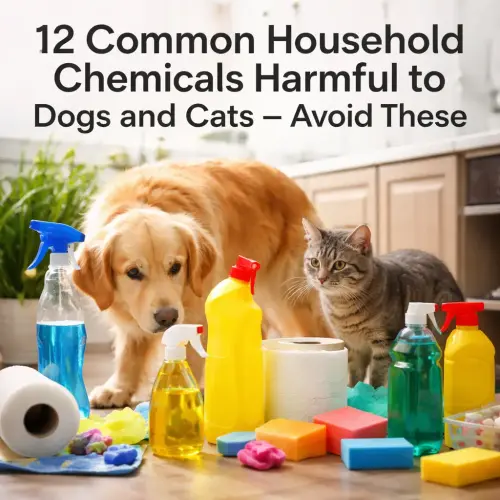
household chemicals harmful to dogs and cats Key Takeaways
Every day, countless pets are accidentally exposed to dangerous substances lurking under kitchen sinks, in garage shelves, and inside cleaning caddies.
- Many common cleaning agents, antifreeze, and pest control products are among the most dangerous household chemicals harmful to dogs and cats .
- Pets are often poisoned by ingestion, inhalation, or skin contact with residues left on floors and surfaces.
- Simple prevention strategies like secure storage and choosing pet-safe alternatives can dramatically reduce the risk of accidental poisoning.
Why Everyday Household Chemicals Harmful to Dogs and Cats Are a Hidden Danger
It is easy to assume that a product sold for home use is safe for everyone in the house. Unfortunately, that is not the case. A pet’s smaller body weight, faster metabolism, and unique physiology make them far more sensitive to common chemicals than humans are. Even small spills on a floor that a dog licks or a cat walks through and then grooms can lead to poisoning. The American Society for the Prevention of Cruelty to Animals (ASPCA) reports that household products are among the top causes of pet poisonings each year.
Recognizing the specific dangers of each product helps you act quickly in an emergency and, more importantly, prevents exposure in the first place. Below is a detailed look at 12 of the most common culprits found in almost every home.
1. Bleach (Sodium Hypochlorite)
Common Use: Laundry whitening, surface disinfection, and mold removal. Mechanism of Harm: Bleach is a strong oxidizer. When ingested, it causes chemical burns to the mouth, throat, and stomach. Inhaling fumes can lead to severe respiratory distress, especially in cats and brachycephalic dog breeds. Skin contact results in irritation and chemical dermatitis. Safety Tip: Never use bleach on surfaces where pets eat or sleep. If you must use it, dilute it heavily, rinse thoroughly with water, and keep pets out of the area until it is completely dry and aired out (at least 2 hours).
2. Antifreeze (Ethylene Glycol)
Common Use: Car engine coolant. Mechanism of Harm: This is one of the most lethal toxic household products for cats and dogs. It has a sweet taste that attracts animals. Even a teaspoon can be fatal to a cat. The body metabolizes it into toxic acids that cause acute kidney failure, often leading to death within 24-72 hours if untreated. Safety Tip: Use propylene glycol-based antifreeze (labeled as pet-safe), check your car for leaks regularly, and clean up any driveway spills immediately with absorbent material.
3. Rodenticides (Rat and Mouse Poisons)
Common Use: Killing rodents inside and outside the home. Mechanism of Harm: Most rodenticides are anticoagulants that prevent blood from clotting. A dog or cat that eats a poisoned rodent or the bait itself can suffer internal bleeding, lethargy, and collapse. Some newer formulations cause neurological damage or hypercalcemia. Safety Tip: Avoid using bait stations accessible to pets. Opt for snap traps or electronic traps instead. If you must use poison, place it in areas completely inaccessible to pets, like inside walls or locked bait boxes. For a related guide, see 7 Easy Home Cleaning Tips Every Pet Owner Needs.
4. Phenol-Based Cleaners (Lysol, Pine-Sol)
Common Use: Disinfecting floors, bathrooms, and kitchens. Mechanism of Harm: Phenols are highly toxic to cats because they lack the liver enzyme needed to break them down. Ingestion or absorption through paw pads can cause liver failure, seizures, and respiratory depression in both species. Safety Tip: Avoid phenol-containing products entirely if you have cats. For dogs, use diluted vinegar and water or a pet-safe enzymatic cleaner instead.
5. Isopropyl Alcohol (Rubbing Alcohol)
Common Use: Disinfecting wounds, cleaning electronics, and as a solvent. Mechanism of Harm: Alcohol is rapidly absorbed through the skin and mucous membranes. Even a small amount can cause central nervous system depression, low blood sugar, hypothermia, and coma in pets. Safety Tip: Store isopropyl alcohol in a locked cabinet. Use pet-safe antiseptics like diluted chlorhexidine for wound care. Never use alcohol-based hand sanitizers around pets without letting them dry completely first.
6. Benzalkonium Chloride (Quaternary Ammonium Compounds)
Common Use: Fabric softeners, disinfectant sprays, and some floor cleaners. Mechanism of Harm: These compounds cause chemical burns to the mouth and gastrointestinal tract. In cats, they are particularly dangerous because they can cause severe drooling, inflammation of the esophagus, and even corneal damage if sprayed near the eyes. Safety Tip: Avoid using fabric softener sheets or liquid fabric softener. Choose fragrance-free, plant-based disinfectants for household cleaning.
7. Essential Oils (Tea Tree, Cinnamon, Citrus, Pennyroyal)
Common Use: Aromatherapy, natural cleaning, and pest repellents. Mechanism of Harm: Concentrated essential oils are quickly absorbed through the skin and respiratory tract. Cats are especially vulnerable because they lack glucuronyl transferase, an enzyme needed to metabolize phenols found in many oils. Symptoms include vomiting, ataxia (wobbliness), hypothermia, and liver failure. Safety Tip: Never apply concentrated essential oils to a pet’s skin or fur. Use diffusers in well-ventilated rooms and only for short periods, and keep them out of reach. Dilute heavily if used for topical application (consult your vet first).
8. Bleach-Based Toilet Bowl Cleaners
Common Use: Keeping toilet bowls clean and white. Mechanism of Harm: Many toilet bowl cleaners contain high concentrations of bleach or hydrochloric acid. If a pet drinks from the toilet, they can suffer severe chemical burns to the mouth, throat, and stomach. The fumes can also cause respiratory distress. Safety Tip: Keep the toilet lid closed at all times. Use a vinegar-and-baking-soda paste for cleaning the bowl instead. Consider installing a child-proof toilet lock if your pet is persistent.
9. Dishwasher and Laundry Detergent Pods
Common Use: Automatic dishwashing and laundry cleaning. Mechanism of Harm: These concentrated pods are extremely dangerous because they burst on contact with moisture. They can cause caustic burns to the mouth, esophagus, and stomach. The high alkalinity also leads to frothing, aspiration pneumonia, and severe vomiting. Safety Tip: Store detergent pods in a locked cabinet, not just under the sink. Keep the dishwasher door closed when not in use. Use powder or liquid detergents in smaller quantities for safer handling.
10. Dryer Sheets
Common Use: Reducing static and softening laundry. Mechanism of Harm: Dryer sheets contain cationic detergents and fragrances that are toxic when ingested. Dogs are often attracted to the scent and may chew on used sheets. The chemicals can cause drooling, vomiting, intestinal blockages, and pancreatitis. Safety Tip: Dispose of used dryer sheets immediately in a sealed trash can. Opt for reusable wool dryer balls or vinegar in the rinse cycle instead.
11. Weed Killers (Glyphosate and 2,4-D)
Common Use: Lawn and garden weed control. Mechanism of Harm: These herbicides are absorbed through the skin and respiratory tract. They can cause vomiting, diarrhea, excessive salivation, and in high doses, organ damage. Pets that walk on a treated lawn and then lick their paws are at high risk. Some studies also link long-term exposure to cancer in dogs. Safety Tip: Keep pets off treated lawns for at least 48 hours, or until after a heavy rain. Use a manual weeding tool or corn gluten meal as a natural pre-emergent herbicide.
12. Mold and Mildew Removers (Sodium Hypochlorite + Ammonia)
Common Use: Cleaning tile grout, shower curtains, and bathroom walls. Mechanism of Harm: These products often combine bleach with ammonia or other caustic agents. The fumes are toxic and can cause severe respiratory irritation, chemical pneumonia, and pulmonary edema in both dogs and cats. Safety Tip: Never mix bleach with any other cleaner. Use hydrogen peroxide or white vinegar as a safer alternative for mold removal. Ensure the bathroom is well-ventilated and keep pets out during and after cleaning. For a related guide, see 14 Human Foods Toxic to Dogs and Cats: Essential Safety Guide.
| Chemical | Primary Risk | Most Vulnerable Species | Safe Alternative |
|---|---|---|---|
| Bleach | Chemical burns, respiratory distress | Both | Vinegar + water |
| Antifreeze | Acute kidney failure | Both (cats more sensitive) | Propylene glycol antifreeze |
| Rodenticides | Internal bleeding | Both | Snap traps |
| Phenol cleaners | Liver failure | Cats | Enzymatic cleaner |
| Isopropyl alcohol | CNS depression, coma | Both | Chlorhexidine |
| Essential oils | Liver failure, ataxia | Cats | Diluted lavendar (for dogs only) |
| Detergent pods | Caustic burns | Both | Powder detergent |
| Weed killers | Organ damage | Both | Manual weeding |
Actionable Prevention Checklist for a Pet-Safe Home
Veterinarians emphasize that prevention is the most effective medicine. Follow this checklist to minimize your pet’s exposure to household chemicals harmful to dogs and cats:
- Secure Storage: Move all cleaning products, pesticides, and automotive chemicals to high shelves or locked cabinets. Use child-proof locks on low cabinets.
- Read Labels: Look for warnings about pets. Choose products labeled as biodegradable, plant-based, or pet-safe whenever possible.
- Contain Spills Immediately: Use absorbent material to clean up spills completely. Dispose of contaminated materials in sealed bags.
- Ventilate After Cleaning: Open windows and run fans for at least 30 minutes after using any chemical cleaner. Keep pets in another room during this time.
- Remove Shoes at the Door: Many chemicals are tracked in on shoes. Keep a mat and ask guests to remove footwear.
- Know Emergency Numbers: Save the ASPCA Animal Poison Control Center hotline (888-426-4435) and your local emergency vet in your phone.
What to Do If You Suspect Poisoning
Time is critical. If you see any of these symptoms — vomiting, drooling, lethargy, seizures, difficulty breathing, or collapse — take immediate action. Do not induce vomiting unless a veterinarian specifically instructs you to, as some chemicals are more caustic when they come back up. Call the poison control hotline or your vet immediately. Bringing the product container with you to the clinic helps the vet determine the right treatment quickly.
Useful Resources
For more detailed information on pet poison prevention, visit these trusted sources:
- ASPCA Animal Poison Control Center – The leading resource for toxicology information on pets, offering a searchable database and 24/7 hotline.
- Pet Poison Helpline – A nationwide service that provides expert advice on treating poisoned pets, with a focus on identifying common toxins.
Frequently Asked Questions About household chemicals harmful to dogs and cats
What should I do if my dog drinks bleach?
Do not induce vomiting. Immediately rinse their mouth with water or milk and call your veterinarian or the ASPCA Poison Control hotline. Bleach can cause chemical burns, so prompt treatment is critical.
Is vinegar safe to use around pets for cleaning?
Yes, diluted white vinegar (1 part vinegar to 3 parts water) is generally safe for use around pets. It is non-toxic and effective for many cleaning tasks. Avoid using it on stone surfaces like marble or granite.
Can essential oil diffusers harm my cat?
Yes, especially with oils like tea tree, cinnamon, and pennyroyal. Cats lack the enzymes to metabolize phenols. Use diffusers in well-ventilated rooms and for short periods. Monitor your cat for signs of drooling or lethargy.
How long does it take for a dog to show signs of antifreeze poisoning?
Symptoms can appear within 30 minutes to 2 hours. Initial signs include stumbling, excessive thirst, and vomiting. Without treatment, kidney failure occurs within 24-72 hours. Immediate veterinary care is essential.
Are dryer sheets toxic to dogs?
Yes, they contain cationic detergents that can cause drooling, vomiting, and intestinal blockages if ingested. Always dispose of used sheets in a sealed trash can and consider using wool dryer balls.
What are the most common household poisons for dogs?
The most common include chocolate (theobromine), xylitol (artificial sweetener), grapes/raisins, rodenticides, and cleaning products like bleach and detergent pods.
Is it safe to use bleach to disinfect my dog’s water bowl?
No. If you use bleach, rinse the bowl extremely thoroughly with hot water multiple times. Even small residues can be harmful. A better option is to use a diluted vinegar solution or run the bowl through the dishwasher.
Can cats be poisoned by walking on a freshly cleaned floor?
Yes, especially with phenol-based cleaners or products containing benzalkonium chloride. Cats absorb chemicals through their paw pads and then ingest them while grooming. Always use pet-safe cleaners and let floors dry completely before allowing pets in.
What are the symptoms of poisoning in pets?
Common symptoms include vomiting, diarrhea, excessive drooling, lethargy, loss of appetite, stumbling, seizures, difficulty breathing, and sudden collapse. Any of these signs warrant an immediate call to your vet.
Are laundry detergent pods dangerous for dogs?
Extremely dangerous. The concentrated chemicals can cause caustic burns to the mouth and throat, and the pod can burst and cause aspiration pneumonia. Keep them in a locked cabinet and never leave an open pod unattended.
Is it okay to use hand sanitizer around my pet?
No. Hand sanitizer contains high levels of isopropyl alcohol, which is quickly absorbed. If your pet licks your hands immediately after application, they can suffer alcohol poisoning. Let the sanitizer dry completely on your skin.
Can weed killer make my dog sick?
Yes, glyphosate and 2,4-D are particularly toxic. If your dog walks on a treated lawn and then licks their paws, they can experience vomiting, lethargy, and long-term health risks. Keep pets off lawns for at least 48 hours after application.
What should I have in a pet first aid kit for poisoning?
Include a bottle of hydrogen peroxide (3%) for inducing vomiting only if directed, activated charcoal (with vet approval), a syringe to administer liquids, your vet’s phone number, and the Poison Control hotline.
Are pine-based cleaners toxic to cats?
Yes, pine oil and phenols are highly toxic to cats. Even small amounts can cause severe liver damage. Avoid all products containing pine oil or phenol derivatives entirely if you have cats.
How can I make my own pet-safe all-purpose cleaner?
Mix 1 cup of white vinegar with 1 cup of water and 10-15 drops of lavender essential oil (safe for dogs only). For a cat-safe version, omit the essential oil and use lemon peel instead for a fresh scent.
Is it safe to use a Swiffer WetJet around pets?
The original WetJet solution contains ingredients that can be irritating if ingested by pets. Many pet owners opt for the Swiffer WetJet with Febreze, which is slightly safer, but homemade vinegar and water is the safest alternative.
Can mold remover fumes harm my cat?
Yes, the ammonia and bleach fumes in many mold removers can cause severe respiratory distress, chemical pneumonia, and even death in cats. Always ventilate the area and keep cats out during and after cleaning.
What is the most common way pets are poisoned?
Ingestion is the most common route, whether it’s drinking from a toilet with cleaner residue, eating spilled pellets, or licking contaminated paws. Second is inhalation of fumes from cleaning or pest control products.
Are solar pool covers dangerous for dogs?
The chemicals used to treat pool covers (like algaecides) can be toxic. More importantly, a dog can drown if they fall onto a loose cover. Secure covers and keep dogs away from treated pool areas.
Should I call the vet if my pet licks a small amount of dish soap?
Most dish soaps are mild and small amounts may only cause mild stomach upset. However, if it is a concentrated dishwashing pod or a product with added bleach or pine oil, contact your vet immediately.