



home cleaning tips for pet-friendly households Key Takeaways
Living with pets means embracing a little chaos — but your home doesn’t have to look or smell like it.
- Adopt simple daily habits to keep fur and dander under control using these home cleaning tips for pet-friendly households .
- Use pet-safe cleaning solutions that are tough on messes but gentle on paws and noses.
- Focus on high-traffic zones like entryways, furniture, and pet beds to maximize impact with minimal effort.
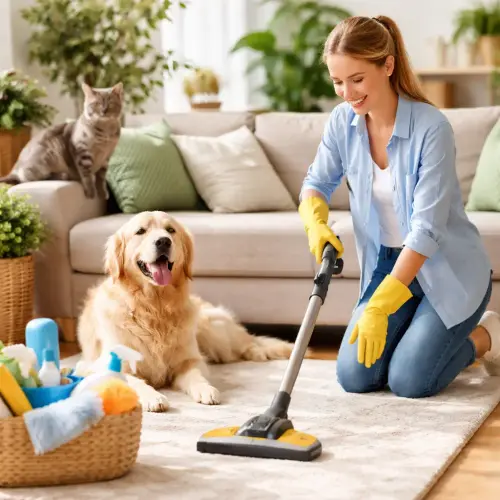
Why Your Home Deserves Dedicated home cleaning tips for pet-friendly households
Let’s be honest: pets are messy. Whether it’s muddy paw prints after a walk, a tuft of fur that’s somehow landed in your coffee, or that mystery smell emanating from the corner — living with animals means living with mess. But you don’t have to choose between a happy pet and a clean home. The right pet-friendly home cleaning tips can keep your space fresh, healthy, and inviting for both you and your four-legged family members. For a related guide, see 10 Essential Activities to Keep Pets Active and Healthy.
These strategies go beyond basic tidying. They target the specific challenges pet owners face: stubborn stains, lingering odors, airborne dander, and that never-ending cycle of vacuuming. And the best part? Most of them take less than 10 minutes a day.
Tip 1: Invest in a High-Quality Vacuum with HEPA Filtration
Why It Works
Pet dander is microscopic and can trigger allergies long after visible fur is gone. A vacuum with a HEPA filter traps over 99% of airborne particles, including dander and dust mites. Without one, you’re just recirculating allergens back into the air.
Quick Instructions
Vacuum carpets, rugs, and upholstery at least twice a week. Focus on areas where your pet sleeps or spends most of its time. Empty the canister or change the bag immediately after — a full container reduces suction and spreads dust.
Tip 2: Use Microfiber Cloths for Furniture and Floors
Why It Works
Microfiber has an electrostatic charge that attracts pet hair and dust, trapping it instead of pushing it around. It works on hardwood, tile, and fabric surfaces without scratching.
Quick Instructions
Dampen a microfiber cloth slightly and wipe down couches, chairs, and baseboards. Run a dry microfiber mop over floors daily — it grabs hair that your vacuum might miss.
Tip 3: Create a No-Shoes Policy at Entry Points
Why It Works
Mud, dirt, and pollen from outdoors stick to shoes and spread onto floors where pets walk, lie, and drool. A simple shoes-off rule reduces the amount of grime tracked into your home by up to 80%.
Quick Instructions
Place a durable doormat inside and outside every entrance. Keep a small basket or shoe rack nearby. Ask guests to follow the same rule — even a quick “please leave your shoes by the door” makes a difference.
Tip 4: Wash Pet Bedding Weekly with Baking Soda
Why It Works
Pet beds collect oil, dander, and odor over time. Baking soda neutralizes odors naturally without harsh chemicals, and washing on a hot cycle kills dust mites and bacteria.
Quick Instructions
Remove the cover and sprinkle baking soda directly onto the stuffing before washing. Use a pet-safe detergent. Air dry or tumble dry on low heat. For tough smells, let the baking soda sit for 30 minutes before the wash cycle.
Tip 5: Spot-Clean Stains Immediately with a DIY Vinegar Solution
Why It Works
Fresh stains are much easier to remove than dried ones. White vinegar breaks down the proteins in urine, vomit, and drool while neutralizing odors — and it’s safe for most surfaces and fabrics.
Quick Instructions
Mix equal parts white vinegar and water in a spray bottle. Blot the stain with a clean cloth, spray the solution, let it sit for 5 minutes, then blot again. Avoid rubbing, which pushes the stain deeper into fibers.
Tip 6: Groom Your Pet Outdoors or Over a Tarp
Why It Works
Brushing captures loose fur before it ends up on your couch, floor, and clothes. By grooming outside or over a large plastic tarp, you contain the mess and make disposal immediate.
Quick Instructions
Use a slicker brush or deshedding tool suited to your pet’s coat. Brush thoroughly, then fold the tarp and dump the fur into the trash. If you must groom indoors, do it in a room with hard floors — carpet traps shed fur more easily.
Tip 7: Wipe Your Pet’s Paws Every Time They Come Inside
Why It Works
Paws track in mud, dirt, pollen, and even chemical residues from sidewalks. A quick wipe at the door stops debris from spreading to every room.
Quick Instructions
Keep a stack of microfiber towels or pet-safe wipes near your entry. When your pet comes in, wipe each paw gently between the pads and toes. Make it a routine — your floors will stay cleaner, and your pet gets used to the process.
Comparison: Daily vs. Weekly pet-friendly home cleaning tips
| Task | Frequency | Time Needed | Best Tool |
|---|---|---|---|
| Vacuum carpets and upholstery | Daily to every other day | 10–15 min | HEPA-filter vacuum |
| Wipe paws after walks | Daily | 2 min | Microfiber towel or pet wipes |
| Wash pet bedding | Weekly | 30–40 min | Baking soda + pet-safe detergent |
| Deep clean furniture | Weekly | 15 min | Microfiber cloth + vinegar solution |
| Groom pet | 2–3 times per week | 10 min | Slicker brush or deshedding tool |
Who These home cleaning tips for pet-friendly households Are For
These strategies work best for pet owners who want a clean home without resorting to harsh chemicals or spending hours cleaning every day. If you’re a busy professional, a parent juggling kids and pets, or someone who rents and needs to protect your deposit, these tips fit right into your routine. They’re also ideal for households with multi-pet homes — the more animals, the more these methods matter. For a related guide, see 8 Common Grooming Mistakes You Should Avoid for Better Style.
Useful Resources
For more information on keeping your home healthy with pets, check out these credible sources:
Incorporating these home cleaning tips for pet-friendly households into your weekly routine doesn’t just make your space look better — it creates a healthier environment for both you and your pet. Start with one or two tips, build consistency, and soon you’ll wonder how you ever lived without them.
Frequently Asked Questions About home cleaning tips for pet-friendly households
How often should I vacuum if I have pets?
At least twice a week, and daily if you have a heavy-shedding breed or a pet with allergies. Use a HEPA-filter vacuum for best results.
What is the best natural cleaner for pet stains?
A 50/50 mix of white vinegar and water works on most fresh stains. For enzymatic breakdown, use a commercial pet stain remover that’s labeled as enzyme-based.
Can I use bleach to clean pet messes?
No. Bleach is toxic to pets and can cause respiratory irritation. Stick to pet-safe, non-toxic cleaners.
How do I get rid of pet dander in the air?
Use a HEPA air purifier, vacuum regularly with a HEPA filter, and wash pet bedding weekly. This significantly reduces airborne allergens.
What is the best way to remove pet hair from furniture?
A damp microfiber cloth or a rubber squeegee works wonders. You can also use a lint roller for quick touch-ups.
Is baking soda safe for pets?
Yes, baking soda is non-toxic and safe to use around dogs and cats. Just avoid letting your pet inhale large amounts of fine powder.
How do I stop my house from smelling like a wet dog?
Wash pet bedding weekly, bathe your pet regularly (according to breed guidelines), and use a deodorizing spray designed for pet homes. Ventilation helps, too.
Can I use essential oils to freshen my pet-friendly home?
Only with caution. Many essential oils (tea tree, eucalyptus, peppermint) are toxic to pets. Opt for pet-safe odor neutralizers instead.
How do I keep my carpets clean with a shedding dog?
Use a rubber-bristle broom to loosen fur before vacuuming. Sprinkle baking soda on carpets before vacuuming to absorb odors.
What is the best floor type for pet owners?
Luxury vinyl plank, tile, or sealed hardwood are easier to clean and more resistant to scratches and stains than carpet or laminate.
How often should I wash my pet’s food and water bowls?
Daily. Wash them with hot soapy water or in the dishwasher to prevent bacterial growth and slime buildup.
Is it safe to use a steam cleaner on pet bedding?
Yes, steam cleaning is safe and effective for killing dust mites and bacteria — just make sure the bedding is fully dry before your pet uses it again.
Can I vacuum pet hair with a regular vacuum?
You can, but a vacuum with a pet-hair attachment and HEPA filter is much more effective. Regular vacuums often clog or recirculate allergens.
What is the best way to remove urine stains from mattresses?
Blot the area, then apply an enzyme-based cleaner. Let it sit for 10–15 minutes, then blot again. Sprinkle baking soda on top to absorb lingering moisture and odor.
How do I keep my pet’s bed from smelling between washes?
Use a removable, machine-washable cover and sprinkle baking soda on the bed weekly. Vacuum or brush off the baking soda after 15 minutes.
Should I use a carpet shampooer on pet stains?
Yes, but only with a pet-safe carpet cleaning solution. Hot water extraction can effectively remove deep-set stains and odors.
How do I reduce pet hair in my laundry?
Add a half-cup of white vinegar to the rinse cycle. It loosens fur and helps prevent it from clinging to fabrics.
Can I use dryer sheets to remove pet hair?
Yes, dryer sheets reduce static and can help loosen fur in the dryer. But if you have a pet allergy, look for fragrance-free, hypoallergenic options.
What cleaning products are toxic to pets?
Bleach, ammonia, pine oil, and products with high concentrations of essential oils (like tea tree oil) can be harmful. Always check labels for pet safety.
How do I clean pet hair out of a washing machine?
Run an empty cycle with hot water and a cup of white vinegar. Wipe down the rubber seal and lint trap afterward. This helps remove fur stuck in the machine.