



symptoms you should never ignore Key Takeaways
Every year, thousands of people delay seeking care for warning signs that could indicate serious underlying conditions.
- symptoms you should never ignore include chest pain, sudden severe headache, and unexplained weight loss.
- Other health warning signs like shortness of breath, vision changes, or persistent fever require immediate medical attention.
- Knowing when to see a doctor for these signs reduces the risk of complications and improves outcomes.
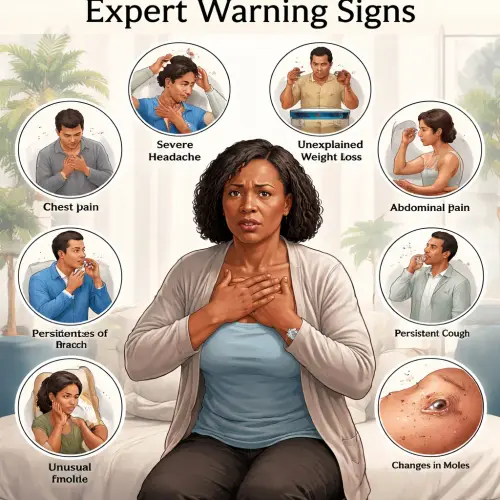
Understanding the symptoms you should never ignore
Every year, thousands of people delay seeking care for warning signs that could indicate serious underlying conditions. While not every ache or pain signals an emergency, certain symptoms demand prompt evaluation. Recognizing symptoms not to ignore helps you take control of your health. In this guide, we break down the eight most critical health warning signs that warrant a call or visit to your healthcare provider.
Why early detection matters
Catching a condition early often means more treatment options, less aggressive therapies, and better long-term outcomes. For example, identifying a stroke within the first few hours can dramatically reduce brain damage. Similarly, diagnosing an infection before it spreads can prevent complications like sepsis. When to see a doctor isn’t always obvious, but knowing these eight red flags can save your life. For a related guide, see 7 Smart Reasons Regular Vet Visits Matter – Don’t Skip.
1. Chest pain or pressure
Any discomfort in the chest area—whether sharp, dull, crushing, or squeezing—is a classic sign of a heart attack or other cardiac event. Do not wait to see if it passes. Health warning signs that accompany chest pain include pain radiating to the arm, jaw, or back; shortness of breath; nausea; and cold sweats. Call emergency services immediately if you experience this symptom.
2. Sudden severe headache
A headache that comes on suddenly and feels like “the worst headache of your life” could indicate a subarachnoid hemorrhage, stroke, or meningitis. This is one of the symptoms you should never ignore, especially if it’s accompanied by a stiff neck, sensitivity to light, confusion, or vision changes. If you experience this, seek emergency care right away.
3. Shortness of breath
Difficulty breathing, whether it comes on slowly or suddenly, can point to something as common as asthma or as serious as a pulmonary embolism, heart failure, or COVID-19. Symptoms not to ignore include wheezing, feeling like you can’t catch your breath, or blue lips/fingertips. If you’re struggling to breathe, don’t wait—visit an ER or call for help.
4. Unexplained weight loss
Losing more than 5% of your body weight over six to twelve months without trying is a red flag. Conditions like hyperthyroidism, diabetes, cancer, and digestive disorders can cause this. When to see a doctor for weight loss: if you haven’t changed your diet or exercise habits and the pounds keep dropping. Schedule an appointment for evaluation.
5. Changes in vision
Sudden vision changes—blurred vision, double vision, loss of vision in one eye, or flashing lights—can signal a stroke, retinal detachment, or a brain tumor. These health warning signs require immediate attention. Even gradual changes, like seeing floaters, should be checked by an eye doctor promptly.
6. High fever that won’t break
A fever over 103°F (39.4°C) that persists despite home treatments or lasts more than three days may indicate a serious infection, heat stroke, or an inflammatory condition. Symptoms you should never ignore include fever with severe headache, rash, confusion, stiff neck, or difficulty breathing. Seek medical care to identify the cause. For a related guide, see 12 Dangerous Foods Dogs Should Never Eat: Essential Safety.
7. Unexplained bleeding or bruising
Bleeding that doesn’t stop after a few minutes, blood in urine or stool, easy bruising, or nosebleeds that happen frequently could be symptoms not to ignore. These signs may point to clotting disorders, liver disease, or certain cancers. If you notice spontaneous bruising or bleeding, make an appointment with your doctor.
8. Severe abdominal pain
Intense pain in any part of your abdomen—especially if it’s sudden, sharp, and accompanied by vomiting, fever, or swelling—requires urgent evaluation. This could be appendicitis, a perforated ulcer, gallbladder attack, or intestinal blockage. When to see a doctor for abdominal pain: if you cannot stand up straight, passing out, or if the pain persists for more than a few hours.
How to respond to health warning signs
If you experience any of these symptoms you should never ignore, take immediate action. call emergency services for life-threatening signs like chest pain or sudden headache. For non-emergency symptoms, call your primary care provider the same day. Keep a log of your symptoms, including when they started and how they feel. This helps doctors make an accurate diagnosis faster. For a related guide, see 8 Signs Your Dog Is Sick: A Trusted Checklist for Pet Owners.
Common mistakes people make
Many people downplay symptoms, thinking they’ll pass. Others rely on online self-diagnosis and delay care. Avoid these mistakes: never ignore health warning signs that come on suddenly or worsen over time. Trust your instincts. If something feels wrong, it’s better to err on the side of caution.
What to expect during a medical evaluation
When you visit a doctor for these symptoms not to ignore, they will ask about your medical history, perform a physical exam, and may order blood tests, imaging scans, or other diagnostic procedures. Be honest about your symptoms and any medications you take. Early intervention can change the outcome.
Useful Resources
For more information on when to see a doctor and understanding emergency signs, these reputable sources offer guidance:
If you or someone you know is experiencing any of these symptoms you should never ignore, don’t wait. Call your doctor or seek emergency care. Your health is worth every precaution.
Frequently Asked Questions About symptoms you should never ignore
What are the most common symptoms you should never ignore ?
Common critical symptoms include chest pain, sudden severe headache, shortness of breath, unexplained weight loss, vision changes, high fever, unexplained bleeding, and severe abdominal pain. Each can indicate a serious condition requiring prompt medical evaluation.
When should I call an ambulance for health warning signs ?
Call 911 or your local emergency number if you experience chest pain, difficulty breathing, sudden confusion, trouble speaking, or a severe headache accompanied by stiff neck or vision loss. Do not drive yourself to the hospital in these cases.
Can stress cause symptoms not to ignore ?
Stress can mimic many concerning symptoms, including chest tightness, rapid heartbeat, and headaches. However, you should never assume it’s “just stress.” Always get evaluated first to rule out a medical emergency.
What does unexplained weight loss mean?
Losing more than 5% of your body weight without dieting or increased exercise is a health warning sign. It may indicate hyperthyroidism, diabetes, cancer, or a digestive disorder. See your doctor for blood tests and imaging.
Is a sudden severe headache always a stroke?
Not always, but it can be. A sudden, explosive headache can also signal a brain aneurysm, meningitis, or intracerebral hemorrhage. Treat it as an emergency and seek care immediately.
How long can I wait with chest pain before seeing a doctor?
Do not wait at all. Chest pain is one of the symptoms you should never ignore. Call 911 or go to an ER immediately, even if the pain goes away. It could be a sign of a heart attack.
What if shortness of breath goes away on its own?
If you experience sudden shortness of breath, still get checked. It can be a sign of a pulmonary embolism or heart issue. Even if it resolves quickly, it may recur or indicate an underlying problem.
Can vision changes be temporary and harmless?
Sometimes vision changes are due to migraines, low blood sugar, or eye strain, but sudden or persistent changes should always be evaluated. Retinal detachment and stroke require urgent treatment.
What temperature is considered a high fever?
A fever above 103°F (39.4°C) in adults is considered high and warrants medical attention, especially if it doesn’t respond to over-the-counter medications or lasts more than three days.
When is abdominal pain an emergency?
Seek emergency care if abdominal pain is severe, sudden, and accompanied by vomiting blood, fever, inability to pass stool or gas, or if the abdomen is tender to the touch. These are symptoms not to ignore.
Can bleeding from the gums be a sign of something serious?
While gum disease is a common cause, unexplained bleeding—especially if it happens frequently or in other areas—can indicate a clotting disorder, liver disease, or leukemia. See your doctor for a blood count.
What should I do if I experience a fainting spell?
Fainting, especially with chest pain, palpitations, or confusion, can be a health warning sign of heart problems, stroke, or severe dehydration. Get checked by a doctor, even if you feel fine afterward.
Do symptoms you should never ignore include leg swelling?
Leg swelling in one leg, with pain and redness, may indicate deep vein thrombosis (DVT), which can lead to a pulmonary embolism. Yes, this is a symptom that requires prompt attention.
Can a persistent cough be a warning sign?
A cough that lasts more than three weeks, produces blood, or is accompanied by chest pain, shortness of breath, or unexplained weight loss could be a sign of lung cancer, infection, or COPD. See your doctor.
What about sudden numbness or weakness?
Sudden numbness or weakness, especially on one side of the body, is a classic stroke symptom. Call 911 immediately. Time lost is brain lost.
How can I tell if a headache is dangerous?
A headache that comes on suddenly, is the worst you’ve ever had, or is accompanied by neurological symptoms like vision loss, confusion, or stiff neck, is a health warning sign. Seek emergency care.
Should I be concerned about a lump under my skin?
A new lump that grows, is hard, or is fixed in place could be a sign of cancer. While many lumps are benign, it’s best to have any new lump examined, especially if it’s painless and persists for more than two weeks.
Is a fast heartbeat always serious?
A racing heart can be caused by anxiety, caffeine, or fever. However, if it’s accompanied by chest pain, shortness of breath, or lightheadedness, it may indicate an arrhythmia or heart condition. See a doctor.
What does jaundice indicate?
Yellowing of the skin or eyes signals liver or gallbladder issues, such as hepatitis, cirrhosis, or gallstones. This is a symptom not to ignore and requires blood tests and imaging.
How can I prevent symptoms you should never ignore from becoming emergencies?
Schedule regular check-ups, maintain a healthy lifestyle, and don’t hesitate to call your doctor when something feels off. Early detection is your best defense. Listen to your body and act quickly.