


foods dogs should never eat Key Takeaways
Knowing which foods dogs should never eat is one of the most important steps any pet owner can take.
- The list of foods dogs should never eat includes chocolate, grapes, onions, xylitol, and several other everyday ingredients.
- Symptoms of poisoning range from vomiting and diarrhea to seizures and coma; immediate veterinary care is critical.
- Prevention is straightforward: keep toxic items out of reach and always check ingredients before sharing human food with your dog.
Why Understanding Foods Dogs Should Never Eat Matters
As a devoted dog owner, you want the best for your furry friend. Part of that responsibility involves being aware that not all human foods are safe for canine companions. In fact, some of the most common items in your pantry can be dangerous or even deadly. This dog food safety list will help you identify threats and respond quickly if an accident happens. For a related guide, see 15 Common Pet Owner Mistakes and How to Avoid Them (Expert.
The good news? With a little knowledge, you can keep your dog safe. Below we break down 12 toxic foods for dogs, explain the specific compounds that cause harm, and describe the symptoms to watch for.
12 Toxic Foods for Dogs Every Owner Should Know
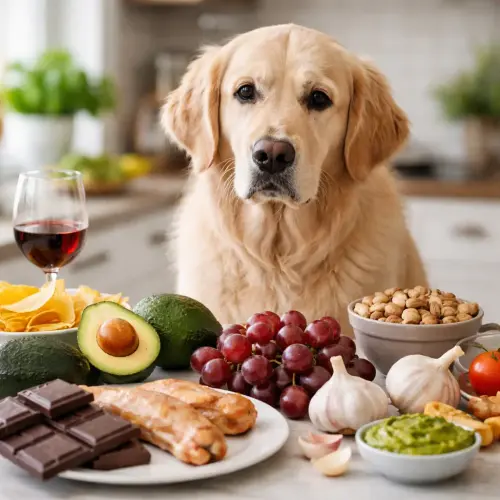
We have organized this dog food safety list from most well-known dangers to some that may surprise you. Each entry includes the toxic compound, why it is harmful, and what signs of poisoning look like.
1. Chocolate
Chocolate contains theobromine and caffeine, both of which are methylxanthines that dogs cannot metabolize efficiently. Dark and baking chocolate are the most dangerous. Symptoms include vomiting, diarrhea, rapid breathing, increased heart rate, seizures, and in severe cases, death.
2. Grapes and Raisins
Even small amounts of grapes or raisins can cause acute kidney failure in dogs. The exact toxic substance remains unknown, but the reaction can be severe. Watch for vomiting, lethargy, loss of appetite, and decreased urination within 24 hours of ingestion.
3. Onions and Garlic
All members of the Allium family (onions, garlic, leeks, chives) damage red blood cells and can lead to hemolytic anemia. Garlic is roughly five times more toxic than onions. Symptoms include weakness, pale gums, elevated heart rate, and dark urine. Effects may be delayed by a few days.
4. Xylitol
Xylitol is a sugar substitute found in sugar-free gum, candies, baked goods, peanut butter, and toothpaste. It triggers a rapid insulin release, causing dangerously low blood sugar (hypoglycemia) within 30 minutes. Symptoms include vomiting, weakness, staggering, collapse, and seizures. Liver failure can also occur. For a related guide, see 7 Surprising Reasons Your Dog Keeps Scratching and Proven Fixes.
5. Macadamia Nuts
Macadamia nuts cause a unique syndrome in dogs characterized by weakness, depression, vomiting, tremors, and hyperthermia. The exact toxin is not identified, but symptoms typically appear within 12 hours and resolve within 24 to 48 hours with supportive care.
6. Avocado
Avocados contain persin, a fungicidal toxin that can cause vomiting and diarrhea in dogs. While the highest concentration is in the leaves and pit, the flesh also poses a risk. The large pit also presents a choking hazard and can cause intestinal blockage.
7. Alcohol and Raw Dough
Alcohol (ethanol) can cause severe intoxication in dogs, leading to vomiting, disorientation, difficulty breathing, seizures, coma, and death. Raw dough containing yeast can also produce ethanol as it rises in a dog’s warm stomach, causing the same effects along with painful bloating.
8. Caffeine
Found in coffee, tea, energy drinks, and some medications, caffeine stimulates the nervous system and heart. In dogs, it can cause restlessness, rapid breathing, heart palpitations, muscle tremors, and seizures. Severe cases may be fatal.
9. Cooked Bones
Cooked bones, especially poultry bones, become brittle and can splinter, causing punctures or blockages in the digestive tract. Symptoms include gagging, drooling, vomiting, abdominal pain, and constipation. Raw bones are safer but still carry risks such as tooth fractures or bacterial contamination.
10. Salt and Salty Snacks
Excessive salt intake leads to sodium ion poisoning in dogs. Symptoms include excessive thirst, frequent urination, vomiting, diarrhea, tremors, and seizures. In severe cases, it can cause coma or death. Always avoid feeding chips, pretzels, or salted meats to your dog.
11. Milk and Dairy
Many dogs are lactose intolerant. Consuming milk, cheese, or ice cream can cause digestive upset including diarrhea, gas, and vomiting. While not usually life-threatening, it is uncomfortable and best avoided.
12. Nutmeg
Nutmeg contains myristicin, a compound that can cause hallucinations, increased heart rate, disorientation, dry mouth, abdominal pain, and seizures in dogs. Even small amounts of ground nutmeg can be dangerous, especially for smaller breeds.
What to Do If Your Dog Eats a Dangerous Food
If you suspect your dog has consumed any item from this dog food safety list, act quickly. Remove any remaining food from reach. Do not induce vomiting unless directed by a veterinarian, as some toxins cause more damage when brought back up. Call your veterinarian or a pet poison helpline immediately. Keep the packaging or a sample of the food if possible to help identify the toxin. Time is critical: the sooner you seek professional help, the better your dog’s chances for a full recovery.
How to Prevent Accidental Poisoning
Prevention is the best medicine. Store all toxic foods for dogs in secured cabinets or high shelves. Educate family members and guests about the foods dogs should never eat. Be especially cautious during holidays and parties when tempting treats are more accessible. Consider posting a printed version of this dog food safety list on your refrigerator as a daily reminder.
Useful Resources
The ASPCA Animal Poison Control Center offers a comprehensive database and 24/7 helpline for pet owners facing potential poisoning emergencies. For additional guidance, the Pet Poison Helpline provides expert support and a searchable list of dangerous substances. Both are excellent references for keeping your dog safe.
- ASPCA Animal Poison Control Center – Toxic and Non-Toxic Plants and Foods
- Pet Poison Helpline – Poison List and Emergency Resources
Frequently Asked Questions About foods dogs should never eat
Can a dog eat a small piece of chocolate without harm?
No. Even a small amount of chocolate, especially dark or baking chocolate, can cause serious symptoms. The risk depends on the dog’s size and the chocolate type. It is never safe to offer chocolate intentionally.
Are grapes toxic to all dogs?
Yes. Grapes and raisins can cause acute kidney failure in any dog, regardless of breed or size. Some dogs seem more sensitive than others, but there is no known safe amount.
Is garlic powder more dangerous than fresh garlic?
Garlic powder is more concentrated and therefore more toxic by weight. Both fresh and powdered forms are dangerous and should be kept away from dogs.
What should I do if my dog eats xylitol?
Contact your veterinarian or a pet poison helpline immediately. Xylitol can cause dangerously low blood sugar within 30 minutes. Do not wait for symptoms to appear.
Can dogs eat peanut butter?
Only if it contains no xylitol. Many sugar-free peanut butters now use xylitol as a sweetener. Always read the ingredient label before sharing a spoonful.
Are cooked bones ever safe for dogs?
No. Cooked bones splinter easily and can cause punctures or blockages in the digestive tract. Raw bones are less likely to splinter but still carry risks.
How much salt is dangerous for a dog?
Ingesting 2 to 3 grams of salt per kilogram of body weight can be fatal. Even smaller amounts can cause vomiting and dehydration. Avoid salty snacks altogether.
Is cheese safe for dogs?
Most dogs are lactose intolerant, so cheese can cause digestive upset. Small amounts of plain low-fat cheese occasionally might be tolerated, but it is not recommended as a regular treat.
Can dogs eat onions if they are cooked?
Cooking does not destroy the toxic compounds in onions. Raw, cooked, dehydrated, or powdered forms are all dangerous and can cause hemolytic anemia.
What symptoms indicate onion poisoning in dogs?
Symptoms include weakness, pale gums, increased heart rate, dark urine, and lethargy. These signs may appear several days after ingestion. A blood test can confirm anemia.
Are macadamia nuts really that dangerous?
Yes. Macadamia nuts cause a distinct poisoning syndrome with weakness, tremors, and hyperthermia. Even a handful can affect a medium-sized dog severely.
Can one raisin kill a dog?
In some sensitive dogs, a single raisin has been known to trigger acute kidney failure. Because sensitivity varies, it is best to treat all raisins as potentially lethal.
Is all chocolate equally dangerous?
No. Dark chocolate and baking chocolate contain the highest levels of theobromine and are the most toxic. Milk chocolate is less concentrated but still dangerous in sufficient quantities.
What should I do if my dog eats a toxic food with no symptoms?
Do not wait for symptoms. Some toxins cause delayed effects. Contact your veterinarian or poison control immediately for guidance. Early intervention can save your pet’s life.
Can dogs eat avocado oil?
Avocado oil is generally considered safe in small quantities because persin is fat-soluble and not present in the oil. However, it is high in fat and can cause pancreatitis if overfed.
Is caffeine dangerous for dogs?
Yes. Caffeine stimulates the heart and nervous system. Symptoms include restlessness, rapid breathing, tremors, and seizures. Even small amounts can cause problems.
Can dogs drink milk?
Most adult dogs are lactose intolerant, so cow’s milk often leads to diarrhea and stomach upset. A few tablespoons may be okay for some dogs, but water is the best drink.
What is the most common food poisoning in dogs?
Chocolate poisoning is one of the most frequently reported cases to pet poison helplines. Xylitol and grape poisoning are also very common.
Are there any fruits that are safe for dogs?
Yes, many fruits are safe in moderation, such as blueberries, apples (without seeds), strawberries, and bananas. Always remove pits and seeds, and introduce new fruits slowly.
Is nutmeg used in pumpkin pie dangerous for dogs?
Yes. Pumpkin pie contains nutmeg and often other toxic ingredients like sugar and fat. It is best to avoid giving any spiced baked goods to your dog.