


feeding mistakes pet owners make Key Takeaways
Even the most loving pet parents can unknowingly harm their furry friends with common diet errors.
- Portion control and scheduled meals are key to avoiding weight gain and related diseases.
- Reading pet food labels helps you spot low-quality fillers and hidden sugars.
- Many human foods are toxic to pets; always double-check before sharing your plate.
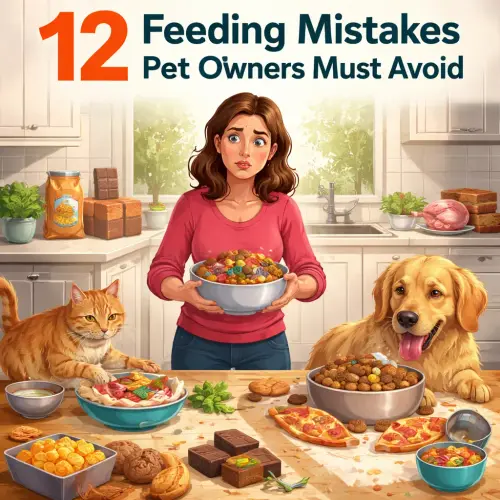
Understanding the Most Common Feeding Mistakes Pet Owners Must Avoid
Pets rely entirely on us for their nutrition, and even small missteps can add up over time. Whether you’re a first-time pet parent or a seasoned owner, revisiting your feeding habits is a smart move. Below, we break down twelve frequent errors and how to correct each one with simple, actionable tips.
1. Free-feeding or Leaving Food Out All Day
Many owners fill the bowl in the morning and let their pet nibble throughout the day. This practice, known as free-feeding, makes it nearly impossible to monitor how much your pet actually eats. Over time, it often leads to obesity and picky eating habits. Instead, switch to set meal times—two to three times a day for dogs, and two for cats—and remove the bowl after 20 to 30 minutes.
2. Ignoring Portion Size Recommendations
A scoop that looks “about right” can be double or triple the recommended serving. Check the feeding guide on your pet’s food bag and use a standard measuring cup. Adjust portions based on your pet’s activity level, age, and body condition. Even a few extra kibbles a day can pack on pounds over a year.
3. Feeding Too Many Treats
Treats are a wonderful training tool, but they should make up no more than 10 percent of your pet’s daily calories. Many pet owners make common pet owner errors by handing out treats for no reason or using oversized biscuits. Break large treats into smaller pieces and consider using some of their regular kibble as rewards. For a related guide, see 10 Common Pet Care Myths Debunked: Expert Truths Every Owner.
4. Switching Foods Too Quickly
Abrupt changes in diet can upset your pet’s stomach, causing vomiting or diarrhea. When introducing a new food, do it slowly over seven to ten days. Start with a mix of 75 percent old food and 25 percent new, then gradually shift the ratio. This gives your pet’s digestive system time to adjust.
5. Feeding Human Food Without Checking Safety
Sharing your dinner might seem like a loving gesture, but many human foods are dangerous for pets. Grapes, raisins, onions, garlic, chocolate, and xylitol (a sweetener found in sugar-free gum and peanut butter) can be toxic. Before giving any human food, consult the ASPCA’s list of toxic foods or ask your vet. It’s one of the most critical common pet owner errors to avoid.
6. Overlooking Life Stage Nutrition
Puppies and kittens need different nutrients than adult or senior pets. Feeding an adult formula to a growing puppy can lead to developmental issues, while senior pets may require lower calories and joint support. Always choose a diet specifically formulated for your pet’s current life stage.
7. Not Providing Fresh Water at All Times
It sounds basic, but many owners forget to wash the water bowl daily or keep it filled with clean water. Stagnant water encourages bacterial growth. Change the water at least twice a day and wash the bowl with soap and hot water. A dirty water bowl is a hidden source of illness.
8. Buying Food Based Only on Price
Budget-friendly pet foods often contain more fillers like corn, wheat, and by-products, and fewer real meat or nutrient-dense ingredients. That doesn’t mean you must buy the most expensive brand, but it does mean you should read the ingredient list. Look for a named protein source (like “chicken” or “salmon”) as the first ingredient and avoid vague terms like “meat meal.” For a related guide, see 10 Essential Dog Training Tips for First-Time Owners to Avoid.
9. Skipping Regular Vet Check-ups
Your vet can spot early signs of nutritional deficiencies or weight issues that you might miss. Routine blood work and weight checks help tailor your pet’s diet to their evolving needs. Don’t wait until your pet is sick to get professional feeding advice.
10. Using the Same Food for All Pets in the House
If you have both a dog and a cat (or multiple pets of the same species but different ages), they likely have different nutritional requirements. Cat food lacks enough taurine for dogs, and dog food doesn’t meet a cat’s need for certain amino acids. Feed each pet a diet formulated for their species, size, and life stage.
11. Over-supplementing Without a Vet’s Guidance
Adding vitamins, oils, or powders to your pet’s food can do more harm than good if you don’t know what’s missing. Too much calcium can cause skeletal problems in growing dogs, and excess vitamin A can damage bones and joints. Only supplement after a vet confirms a specific deficiency.
12. Ignoring Food Allergies or Sensitivities
Chronic ear infections, itchy skin, and digestive upset can all point to a food allergy. Common culprits include chicken, beef, dairy, and grains. If you suspect a sensitivity, work with your vet to run an elimination diet. Switching to a limited-ingredient or novel protein diet often resolves the issue.
Easy Fixes for Better feeding mistakes pet owners make Habits
Now that you’ve identified the pitfalls, here are three simple shifts that can make a big difference:
- Measure everything — Use a kitchen scale or measuring cup for kibble and treats alike.
- Stick to a schedule — Consistent mealtimes support healthy digestion and make potty training easier.
- Read labels like a pro — The first five ingredients reveal the true quality of the food.
Sample Daily Feeding Checklist
| Meal | Portion | Notes |
|---|---|---|
| Breakfast | 1/2 cup kibble | Mix with 1 tbsp canned food for variety |
| Lunch (optional) | Small handful of kibble or training treats | Only for active dogs or during training |
| Dinner | 1/2 cup kibble | Add joint support supplement if vet-approved |
Useful Resources
For more detailed guidance on feeding your pet safely, check out these trusted sources:
- ASPCA’s List of Toxic and Non-Toxic Plants and Foods — A comprehensive database to check before sharing any human food.
- VCA Hospitals: General Feeding Guidelines for Dogs — Expert advice on portions, schedules, and life-stage nutrition.
Frequently Asked Questions About feeding mistakes pet owners make
How many times a day should I feed my adult dog?
Most adult dogs do well with two meals per day, spaced about 8 to 12 hours apart. This helps maintain stable blood sugar and supports healthy digestion.
Is it okay to leave dry kibble out all day?
Leaving kibble out all day can encourage overeating and attract pests. It’s better to feed measured portions at set times and remove any uneaten food after 20 to 30 minutes.
Can I feed my cat the same food as my dog?
No. Cats and dogs have very different nutritional needs. Cats require taurine, arachidonic acid, and higher protein levels that dog food doesn’t provide. Always feed species-appropriate diets.
What human foods are most dangerous for pets?
Grapes, raisins, chocolate, onions, garlic, xylitol (often in sugar-free gum and peanut butter), and macadamia nuts are among the most dangerous. Even small amounts can cause serious illness.
How do I know if my pet is overweight?
You should be able to feel your pet’s ribs with a light layer of fat over them. From above, you should see a visible waist. If you can’t feel the ribs or there’s no waistline, your pet may be overweight.
Should I add supplements to my pet’s food?
Only if your vet recommends them based on a deficiency or specific health condition. Over-supplementing can cause toxicity or imbalances. A complete and balanced diet usually provides all necessary nutrients.
How long does it take to switch a pet to new food?
A gradual transition over 7 to 10 days is ideal. Start with 25% new food and 75% old, then increase the new food by about 25% every few days. This minimizes digestive upset.
Can I give my pet bones from the dinner table?
Cooked bones can splinter and cause internal injuries. Raw bones may be safer but still pose choking or dental fracture risks. Always supervise and consult your vet before offering bones.
What should I look for on a pet food label?
Look for a named animal protein as the first ingredient (like “chicken” or “salmon”), avoid vague terms like “meat meal” or “by-product,” and check that the food meets AAFCO nutritional standards for your pet’s life stage.
Is grain-free food better for my pet?
Not necessarily. Grain-free diets may be helpful for pets with specific allergies, but they aren’t better for healthy pets. Some grain-free formulas have been linked to heart issues (DCM), so discuss with your vet before making the switch.
How many treats can I give my pet per day?
Treats should make up no more than 10% of your pet’s daily calorie intake. For a 20-pound dog on a 400-calorie diet, that means no more than 40 calories from treats. Break large treats into smaller pieces to stretch them further.
Why does my pet vomit after eating?
Vomiting after meals can result from eating too fast, food allergies, switching foods abruptly, or an underlying medical issue. Slow feeder bowls, smaller portions, and a vet check can help identify the cause.
Can I feed my pet a raw diet safely?
Raw diets carry risks of bacterial contamination (Salmonella, E. coli) for both pets and humans. They can also be nutritionally unbalanced if not carefully formulated. If you’re considering raw, work closely with a veterinary nutritionist.
How often should I change my pet’s water?
Change your pet’s water at least twice a day and wash the bowl daily with hot, soapy water. Stagnant water can grow bacteria and algae, which may cause illness. Always keep the bowl full of fresh, clean water.
Do senior pets need different food?
Yes. Senior pets often require lower calorie density to prevent weight gain, higher fiber for digestion, and supplements like glucosamine for joint health. Many brands offer senior-specific formulas tailored to these needs.
What is the best way to measure pet food portions?
Use a standard dry measuring cup or a kitchen scale. A level cup is more accurate than a heaping scoop. Follow the feeding guide on the food bag, but adjust based on your pet’s body condition and activity level.
Is it safe to give my pet milk?
Most adult dogs and cats are lactose intolerant, meaning milk can cause diarrhea and stomach upset. Water is the best drink for pets. If you want to offer a treat, small amounts of plain yogurt may be better tolerated.
How can I tell if my pet has a food allergy?
Common signs include itchy skin, chronic ear infections, red paws, and diarrhea. The gold standard for diagnosis is a veterinary-supervised elimination diet. Avoid relying on home allergy tests, which aren’t always accurate.
Should I feed my pet before or after exercise?
Feed your pet after exercise to reduce the risk of bloat (gastric dilation-volvulus), especially in large, deep-chested dog breeds. Wait at least 30 minutes after vigorous activity to offer a full meal.
What are the signs of nutritional deficiency in pets?
Signs include poor coat quality, weight loss, lethargy, dull eyes, and slow wound healing. If you notice any of these symptoms, schedule a vet visit for blood work. A balanced, complete diet usually prevents deficiencies.