



hydration tips for pets Key Takeaways
Keeping your furry friend properly hydrated is one of the simplest yet most powerful things you can do for their health.
- Hydration for pets goes beyond just leaving a bowl of water — location, temperature, and even bowl material matter.
- Most pet owners don’t realize that wet food, ice treats, and even certain fruits can significantly boost water intake.
- Recognizing early signs of dehydration and acting fast is the key to avoiding serious health risks.
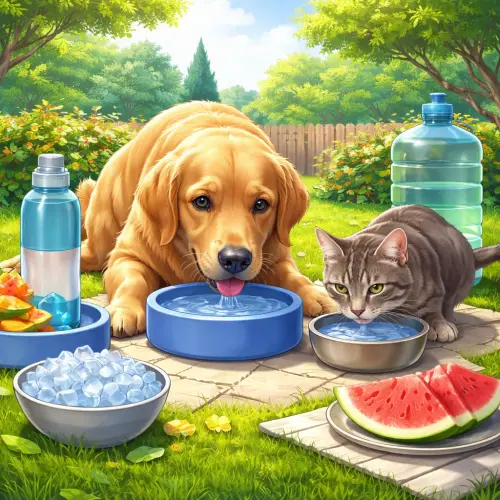
Why Hydration Tips for Pets Matter More Than You Think
Water makes up about 60–80% of a pet’s body weight. It’s essential for digestion, temperature regulation, joint lubrication, and flushing out toxins. Yet many pet owners underestimate how quickly dehydration can sneak up — especially during hot months or after exercise.
While dogs and cats have different drinking habits, the core principle is the same: constant access to fresh, clean water is non-negotiable. But simply filling a bowl isn’t enough. You need to actively encourage your pet to drink, and that’s where expert pet hydration tips come in. For a related guide, see 10 Essential Vaccines Your Pet Needs: A Complete Safety List.
8 Proven Pet Hydration Tips You Can Use Today
Let’s dive into eight practical, vet-recommended ways to keep your pet hydrated and happy.
1. Upgrade Their Water Bowl
Believe it or not, the bowl itself can make or break your pet’s drinking habits. Plastic bowls can develop scratches where bacteria hide and often retain odors that put pets off. Stainless steel or ceramic bowls are easier to clean and don’t leach chemicals.
Takeaway: Switch to a wide, stainless steel bowl — it stays cooler, doesn’t tip over, and won’t hold smells. Wash it daily with mild soap.
2. Place Multiple Water Stations Around the House
If you only have one water bowl downstairs, your pet might not walk all the way to it when they’re feeling lazy or anxious. Place bowls in the kitchen, living room, and even near their bed. Cats especially appreciate having water away from their food bowl — it’s an instinctual preference.
Takeaway: Set up at least two water stations on different floors or corners of your home to encourage drinking.
3. Add Water to Their Food
This is one of the easiest hydration tips for pets. A splash of warm water over dry kibble not only adds moisture but releases aromas that make the food more appealing. For pets on wet food, you can stir in an extra tablespoon of water. For a related guide, see 10 Vet-Approved Diet Tips: Essential Guide for Healthy Pets.
Takeaway: Add 1–2 tablespoons of water to each meal. For cats, try warm water to enhance the smell.
4. Try a Pet Water Fountain
Many pets, especially cats, are drawn to moving water. A pet water fountain provides constant circulation and filtration, which keeps water fresh and oxygenated. The sound alone can prompt them to drink more often.
Takeaway: Invest in a quiet, BPA-free fountain with a replaceable carbon filter. Clean it weekly to prevent slime buildup.
5. Serve Ice Cubes as Treats
On hot days, plain ice cubes can be a fun, cool treat that doubles as a hydration booster. Some pets love to crunch ice, while others prefer ice chips in their water. You can even freeze low-sodium chicken broth (no onions or garlic) into ice cubes for extra flavor.
Takeaway: Offer 2–3 ice cubes in a bowl or drop one into the water dish to spark curiosity and keep your pet hydrated.
6. Offer Hydrating Fruits and Vegetables
Certain human foods are packed with water and safe for pets. Watermelon (seedless, no rind), cucumber slices, and blueberries are excellent options. They add variety to their diet while delivering fluids and antioxidants.
Takeaway: Give small, bite-sized pieces of pet-safe fruits or veggies as treats. Always introduce new foods slowly and in moderation.
7. Monitor Their Water Intake Daily
Knowing your pet’s normal drinking habits helps you spot problems early. A sudden increase or decrease in water consumption can signal medical issues like diabetes or kidney disease. Use a marked water bottle or bowl to roughly track how much they drink each day.
Takeaway: Measure the water you fill in the morning and check how much is left at night. A general rule: dogs should drink about 1 ounce of water per pound of body weight daily; cats about 4 ounces per 5 pounds.
8. Recognize the Early Signs of Dehydration
Even with the best hydration tips for pets, you need to know when something’s off. Early signs include dry gums, lethargy, sunken eyes, excessive panting, and loss of skin elasticity. Gently pinch the skin between your pet’s shoulder blades — if it doesn’t snap back quickly, they may be dehydrated. For a related guide, see 7 Early Signs of Serious Disease in Pets: Don’t Ignore These.
Takeaway: Do the “skin tent” test periodically. If you suspect dehydration, offer water slowly and contact your veterinarian if symptoms persist.
How Much Water Does Your Pet Really Need?
Water requirements vary by species, size, activity level, diet, and weather. Here’s a quick reference table:
| Pet Type | Approximate Daily Water Intake | Notes |
|---|---|---|
| Dog (10 lbs) | 10 oz (1.25 cups) | Active dogs may need more |
| Dog (50 lbs) | 50 oz (6.25 cups) | Wet food reduces need slightly |
| Cat (10 lbs) | 7–9 oz (about 1 cup) | Naturally low thirst drive |
| Kitten | 4–6 oz | Monitor closely; small bodies dehydrate fast |
Common Mistakes That Undermine Hydration for Pets
Even well-meaning owners make errors. Here are three to avoid:
Leaving the Bowl Unwashed for Days
Bacteria and biofilm build up quickly, making water taste stale and potentially causing tummy upsets. Wash bowls daily with hot water and dish soap, and rinse thoroughly.
Only Offering Water at Mealtimes
Pets, especially cats, may not drink enough if water is only available for short periods. Keep fresh water accessible 24/7, refilled at least twice a day.
Ignoring the Temperature
Hot water or bowls left in direct sunlight can grow bacteria and taste unappealing. Cold water is more refreshing and encourages drinking. In winter, check that outdoor bowls aren’t frozen.
Useful Resources
For more science-backed advice on pet hydration, check out these trusted sources:
- VCA Animal Hospitals — Water: A Vital Nutrient for Dogs and Cats
- ASPCA — Water for Pets: How Much and How Often
Frequently Asked Questions About hydration tips for pets
How can I tell if my dog is dehydrated?
Check for dry gums, loss of skin elasticity, sunken eyes, lethargy, and excessive panting. The skin tent test is a reliable home method.
Can cats get dehydrated even if they have a water bowl?
Yes, cats often don’t drink enough because they evolved to get moisture from prey. A water fountain or wet food can help.
How much water should a 20-pound dog drink daily?
About 20 ounces (2.5 cups) under normal conditions, but adjust for heat and activity level.
Is it safe to add ice cubes to my pet’s water?
Yes, plain ice cubes are safe for most pets. Avoid sugar or artificial sweeteners.
What fruits can help keep my pet hydrated?
Watermelon (seedless, no rind), cucumber, cantaloupe, and blueberries are all hydrating and safe in small amounts.
Should I give my cat only wet food to increase hydration?
Wet food is excellent for hydration, but you should still provide fresh water. A combination of wet and dry food is ideal.
How often should I change my pet’s water?
At least twice a day, and more often if the water looks dirty or the bowl is in a hot area.
Can dehydration cause urinary problems in cats?
Absolutely. Chronic low water intake is a leading cause of feline lower urinary tract disease and crystals.
What is the skin tent test for dehydration?
Gently pinch the skin over your pet’s shoulders, lift it slightly, and release. If it doesn’t snap back quickly, they may be dehydrated.
Do I need to worry about overhydration?
It’s rare in healthy pets, but excessive drinking can signal underlying health issues. Monitor unusual thirst changes.
Are pet water fountains worth it?
Many pets drink more from moving water sources. Fountains also filter and aerate the water, keeping it fresh longer.
Can I flavor my pet’s water to encourage drinking?
Yes, a splash of unsalted chicken broth or tuna juice (packed in water) can entice picky drinkers. Avoid onions and garlic.
Is tap water safe for pets?
In most areas, yes. If your tap water has a strong chlorine taste or you’re concerned about contaminants, filtered water is a good alternative.
What are signs of dehydration in puppies?
Puppies dehydrate quickly. Look for dry gums, weakness, loss of appetite, and a dry nose. Contact your vet immediately.
How do I keep outdoor pets hydrated in summer?
Place bowls in shaded areas, use frozen water bottles as coolers, and check water levels multiple times a day.
Can dehydration cause vomiting in dogs?
Mild dehydration usually doesn’t cause vomiting, but severe dehydration can lead to nausea and vomiting. Always seek veterinary care.
Does wet food count as water intake?
Yes, wet food is about 70–80% water, so it contributes significantly to daily hydration needs.
Should I worry if my cat doesn’t drink from a bowl but loves the faucet?
That’s common — many cats prefer running water. A fountain can solve this. Just ensure they’re actually drinking enough.
What is the best bowl material for hydration?
Stainless steel is best: it’s durable, easy to clean, non-porous, and doesn’t leach chemicals.
Can dehydration affect my pet’s skin and coat?
Yes, chronic dehydration can lead to dull coat, dandruff, and dry, flaky skin. Proper hydration keeps skin supple and coat shiny.