



vaccines your pet needs Key Takeaways
Vaccines are the foundation of responsible pet ownership, protecting your dog or cat from serious, sometimes fatal, diseases.
- Core vaccines for pets (rabies, distemper, parvovirus, adenovirus for dogs; panleukopenia, calicivirus, herpesvirus for cats) are universally recommended for all pets.
- Non-core vaccines depend on your pet’s lifestyle — factors like boarding, travel, and exposure to wildlife determine why pets need vaccines beyond the basics.
- A proper pet vaccination schedule starts in puppy or kittenhood, with boosters throughout life to maintain immunity. Always consult your veterinarian.
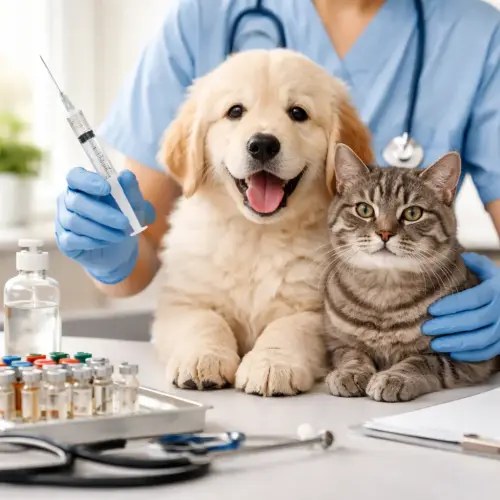
Understanding Why a Complete Pet Vaccination Schedule Matters
Vaccination is one of the most effective ways to prevent disease in dogs and cats. By stimulating the immune system to recognize and fight specific pathogens, vaccines dramatically reduce the risk of infection and help curb outbreaks in the community. A well-planned pet vaccination schedule is especially critical during the first year of life, when a young animal’s immune system is still developing. Without these protections, pets are vulnerable to illnesses that can be costly to treat and sometimes impossible to cure. For a related guide, see 8 Common Dog Diseases: Essential Warning Signs Every Owner.
Modern veterinary medicine categorizes vaccines into two groups: core and non-core. Core vaccines are recommended for every pet, regardless of lifestyle, because the diseases they prevent are widespread, highly contagious, or pose a serious threat to public health. Non-core vaccines are tailored to individual risk factors, such as boarding, travel, or exposure to wildlife. Understanding the difference helps you make informed decisions alongside your veterinarian. For a related guide, see 10 Common Pet Care Myths Debunked: Expert Truths Every Owner.
10 Vaccines Your Pet Needs — A Full Breakdown for Dogs and Cats
While dogs and cats share some similarities in their vaccine protocols, each species has a unique set of recommended shots. Below are the ten vaccines your pet needs, divided by species, with clear explanations of the diseases they prevent, why each shot is essential, and when it should be given.
1. Rabies Vaccine (Core for Both Dogs and Cats)
Rabies is a fatal viral disease that attacks the central nervous system and can be transmitted to humans. It is required by law in most jurisdictions. Vaccination typically begins at 12–16 weeks of age, with a booster one year later, then every one to three years depending on local regulations. This is arguably the most important of all pet vaccines because it protects both your animal and your family.
2. Canine Distemper Vaccine (Core for Dogs)
Distemper is a highly contagious viral illness that affects the respiratory, gastrointestinal, and nervous systems. It can be fatal or cause lifelong neurological damage. Puppies receive their first dose at 6–8 weeks, with boosters every 3–4 weeks until 16 weeks of age. A booster is given at one year and then every three years.
3. Canine Parvovirus Vaccine (Core for Dogs)
Parvovirus is a severe, often fatal gastrointestinal disease characterized by vomiting, bloody diarrhea, and dehydration. It is extremely hardy and can persist in the environment for months. The vaccination schedule mirrors distemper — starting at 6–8 weeks with boosters through 16 weeks, then a one-year booster and triennial revaccination.
4. Canine Adenovirus Type 2 Vaccine (Core for Dogs)
This vaccine protects against canine hepatitis (caused by adenovirus type 1) and respiratory disease from type 2. Hepatitis can cause liver failure and eye damage. It is typically combined with distemper and parvovirus in the DHPP shot and follows the same schedule.
5. Feline Panleukopenia Vaccine (Core for Cats)
Also known as feline distemper, panleukopenia is a highly contagious viral disease that attacks rapidly dividing cells, causing severe vomiting, diarrhea, and a drastic drop in white blood cells. Kittens start the series at 6–8 weeks, with boosters every 3–4 weeks until 16 weeks, then a one-year booster and revaccination every three years.
6. Feline Calicivirus Vaccine (Core for Cats)
Calicivirus is a major cause of upper respiratory infections in cats, leading to oral ulcers, sneezing, and nasal discharge. It spreads quickly in multi-cat households and shelters. This vaccine is usually combined with panleukopenia and herpesvirus in the FVRCP shot, following the same schedule.
7. Feline Herpesvirus Type 1 Vaccine (Core for Cats)
Herpesvirus causes feline viral rhinotracheitis, a severe respiratory infection that can become chronic. While the vaccine does not prevent infection entirely, it significantly reduces the severity of symptoms and viral shedding. It is part of the FVRCP combination and is given on the same schedule as panleukopenia. For a related guide, see 7 Stressed Cat Signs Every Owner Must Know (Don’t Ignore).
8. Bordetella Bronchiseptica Vaccine (Non-Core for Dogs)
Bordetella is a primary cause of kennel cough, a contagious respiratory infection common in boarding facilities, dog parks, and training classes. The vaccine is available as an injectable, intranasal, or oral formulation. It is recommended annually for dogs that socialize with other dogs.
9. Leptospirosis Vaccine (Non-Core for Dogs)
Leptospirosis is a bacterial disease transmitted through the urine of infected wildlife (rats, raccoons, deer). It can cause kidney and liver failure in dogs and is zoonotic, meaning it can spread to humans. The vaccine is recommended for dogs that hike, swim in ponds, or live in areas with high wildlife activity. Annual boosters are required.
10. Feline Leukemia Virus Vaccine (Non-Core for Cats)
FeLV is a retrovirus that suppresses the immune system and leads to cancer, anemia, and opportunistic infections. It is spread through close contact, such as grooming or sharing food bowls. The vaccine is recommended for cats that go outdoors or live in multi-cat households. Kittens can start the series at 8–9 weeks, with a booster 3–4 weeks later, then annually.
Factors That Determine Which Vaccines Your Pet Needs
Not every pet requires every non-core vaccine. Your veterinarian will assess your pet’s specific risk based on several factors:
- Lifestyle: Does your dog board frequently, attend doggy daycare, or visit dog parks? Does your cat roam outdoors or stay indoors exclusively?
- Geographic location: Some diseases, like leptospirosis, are more common in certain regions. Your vet knows local prevalence.
- Age and health status: Puppies and kittens need a full series of boosters, while older pets may have altered immune responses.
- Travel history: If you travel with your pet to other states or countries, additional vaccines may be required.
These considerations are central to understanding why pets need vaccines tailored to their unique circumstances. A one-size-fits-all approach is not recommended.
Comparing Core and Non-Core Vaccination Schedules
| Vaccine | Core/Non-Core | Initial Schedule | Booster Frequency |
|---|---|---|---|
| Rabies | Core | 12–16 weeks | 1–3 years (by law) |
| DHPP (Distemper, Parvo, Adenovirus) | Core (dogs) | 6–16 weeks (3 doses) | 1 year, then every 3 years |
| FVRCP (Panleukopenia, Calici, Herpes) | Core (cats) | 6–16 weeks (3 doses) | 1 year, then every 3 years |
| Bordetella | Non-core (dogs) | 8 weeks or older | Annual (6 months for high risk) |
| Leptospirosis | Non-core (dogs) | 12–16 weeks (2 doses) | Annual |
| Feline Leukemia | Non-core (cats) | 8–9 weeks (2 doses) | Annual |
Common Myths About Pet Vaccines Debunked
Despite overwhelming evidence supporting vaccination, misinformation persists. Below are three frequent misconceptions that can put pets at risk.
Myth: Indoor pets don’t need vaccines
Even a strictly indoor pet can be exposed to airborne viruses (like calicivirus) or diseases brought in on shoes and clothing (like parvovirus). Rabies laws also apply to indoor animals, since escapes or wildlife intrusions can occur. All pets need at least core pet vaccines, regardless of lifestyle.
Myth: Once vaccinated, my pet is protected for life
Immunity wanes over time. Without booster shots, your pet’s protection diminishes, leaving them vulnerable. A proper pet vaccination schedule ensures lasting immunity.
Myth: Vaccines cause more harm than the diseases they prevent
Vaccines are rigorously tested for safety. The risk of a serious adverse reaction is extremely low — far lower than the risk of contracting a preventable disease. Mild side effects, like temporary soreness or lethargy, are normal and resolve quickly.
Useful Resources
For further reading on core vaccines for pets and scheduling, explore these trusted sources:
- American Veterinary Medical Association — Pet Vaccination Guidelines
- American Animal Hospital Association — Canine Vaccine Recommendations
Ultimately, the decision about vaccines your pet needs should be made in partnership with a trusted veterinarian. They will consider your pet’s age, health, lifestyle, and local disease prevalence to create a personalized protection plan. Regular vaccination is a cornerstone of responsible pet care — it saves lives, reduces suffering, and helps keep our communities safe. Schedule a wellness exam today to discuss your pet’s specific needs and ensure they stay healthy for years to come.
Frequently Asked Questions About vaccines your pet needs
At what age should my puppy get its first vaccines?
Puppies should receive their first round of core vaccines at 6–8 weeks of age. This includes the distemper, parvovirus, and adenovirus combination (DHPP).
At what age should my kitten get its first vaccines?
Kittens typically start their vaccine series at 6–8 weeks, with the FVRCP combination covering panleukopenia, calicivirus, and herpesvirus.
Can my pet receive multiple vaccines in one visit?
Yes, combination vaccines like DHPP and FVRCP are designed to be given together. Your veterinarian will recommend a schedule that minimizes stress while ensuring timely protection.
What are the side effects of pet vaccines ?
Mild side effects can include temporary lethargy, mild fever, or soreness at the injection site. Serious allergic reactions are rare but require immediate veterinary attention.
Are pet vaccines required by law?
Rabies vaccination is required by law in most states and countries for dogs and, in many areas, for cats. Other vaccines are not legally mandated but are strongly recommended by veterinarians.
How much do pet vaccines typically cost?
The cost varies by region and veterinary practice. A typical core vaccine series for a puppy or kitten ranges from $75 to $150, while non-core vaccines add $20–$50 each. Annual boosters are generally less expensive.
Can I vaccinate my pet at home?
Some over-the-counter vaccines are available, but home vaccination is not recommended. A veterinarian ensures proper handling, correct dosage, and safe injection technique, and they maintain official vaccination records required for boarding and travel.
What is a vaccine titer test?
A titer test measures the level of antibodies in your pet’s blood to determine if they are still protected against a specific disease. Some owners choose titers instead of routine boosters, though results may not guarantee immunity.
Do senior pets still need vaccines?
Yes, because immunity can decline with age. However, your veterinarian may adjust the schedule or use titer testing to avoid over-vaccination. Core vaccines remain important throughout life.
Is the Bordetella vaccine necessary for all dogs?
No. The Bordetella vaccine is recommended for dogs that are frequently boarded, attend daycare, visit dog parks, or participate in group training. Dogs with minimal social contact may not need it.
What is the difference between a live and killed vaccine?
Modified live vaccines contain a weakened version of the virus, which stimulates a strong immune response with fewer doses. Killed vaccines use inactivated virus and may require more frequent boosters. Both types are safe and effective.
Can a vaccine give my pet the disease?
No. Modified live vaccines are weakened so they cannot cause disease in a healthy animal. Killed vaccines contain no live virus. The risk of vaccine-induced illness is virtually nonexistent.
Should I vaccinate my pet if they are pregnant or nursing?
Vaccination during pregnancy or lactation is generally avoided unless the risk of exposure is high. Your veterinarian will assess the specific situation and may recommend delaying vaccination until after weaning.
What happens if I miss a booster shot?
If you miss a booster, your pet’s immunity may wane. You should schedule the missed dose as soon as possible. In some cases, the veterinarian may recommend restarting the series if too much time has passed.
Can my pet have an allergic reaction to a vaccine?
Allergic reactions are rare but possible. Signs include facial swelling, hives, vomiting, or difficulty breathing. If these occur, seek emergency veterinary care immediately. Most reactions happen within minutes to hours after vaccination.
Are there any breed-specific vaccine considerations?
Some breeds, such as Rottweilers and Doberman Pinschers, may have a higher risk of adverse reactions to certain vaccines, but core vaccinations are still recommended. Your veterinarian can tailor the protocol based on breed sensitivities.
Do indoor-only cats need the feline leukemia vaccine?
Generally, no. The feline leukemia vaccine is non-core and recommended primarily for cats that go outdoors or live with FeLV-positive cats. However, if there is any chance of escape, your vet may still advise vaccination.
How long does immunity from a vaccine last?
Immunity duration varies by vaccine. Core vaccines often provide protection for three years after the initial series and booster. Non-core vaccines typically require annual boosters to maintain effectiveness.
Can my pet be vaccinated if they have a mild illness?
Mild illnesses, such as a low-grade fever or minor diarrhea, usually do not prevent vaccination. However, your veterinarian may recommend waiting until your pet is fully healthy to ensure the best immune response.
What is the best way to keep track of my pet’s vaccination schedule?
Your veterinary clinic will provide a printed vaccine record and may offer online portals for tracking. Many owners also use a calendar reminder or a pet health app to stay on top of upcoming boosters.