



benefits of regular grooming Key Takeaways
Regular grooming is not just about keeping your pet looking good—it’s a cornerstone of preventive healthcare.
- Regular grooming prevents skin infections and matting, improving comfort and mobility.
- Grooming sessions help owners spot health issues like bumps, ticks, or ear infections before they worsen.
- Consistent grooming reduces shedding, allergens, and stress, strengthening the human-animal bond.
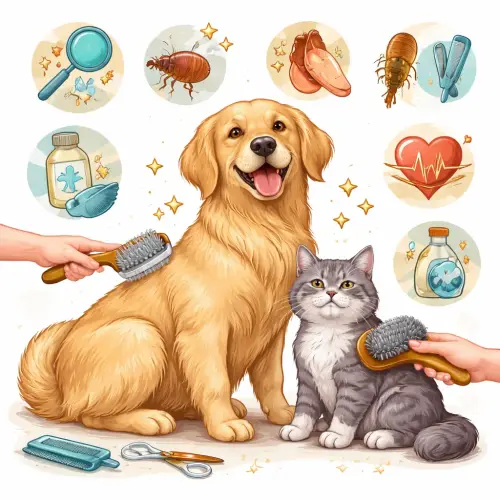
What Every Pet Owner Should Know About the Benefits of Regular Grooming
When you bring a pet into your home, you quickly learn that their well-being depends on more than just food and walks. Grooming is one of those routine activities that many people view as cosmetic, but in reality, it is a vital part of overall health management. The benefits of regular grooming include improved circulation, better skin condition, and early detection of parasites and abnormalities. Whether you have a long-haired Persian cat or a short-coated Labrador, a consistent grooming schedule can add years to their life and joy to every day. For a related guide, see 12 Essential Cat Grooming Tips Every Owner Should Know.
Understanding What Grooming Actually Covers
Grooming is far broader than just brushing fur. It includes nail trimming, ear cleaning, teeth brushing, bathing, and coat clipping. Each component targets a specific area of health, and when performed regularly, they work together to prevent common illnesses. For example, regular ear cleaning reduces the risk of painful infections, especially in breeds with floppy ears like Cocker Spaniels.
1. Healthier Skin and a Shinier Coat Through Regular Brushing
Brushing your pet several times a week distributes natural oils across the skin and fur. This natural conditioning keeps the coat glossy and the skin supple. The benefits of regular grooming here are twofold: you remove dirt, debris, and loose fur, and you stimulate blood flow to the skin, promoting healthier hair follicles.
For double-coated breeds like Huskies or Golden Retrievers, regular brushing also helps remove the undercoat before it mats. A matted coat restricts air circulation and can cause painful skin irritations. Invest in a good slicker brush or undercoat rake, and make brushing a calm, bonding activity.
What About Bathing?
Bathing too frequently can strip natural oils, but an occasional bath with a vet-approved shampoo keeps the coat fresh and reduces allergens. The key is balance—most pets do well with a bath every 4 to 8 weeks unless they get into something messy. Always rinse thoroughly to prevent residue buildup that can cause itching.
2. Early Detection of Health Issues
Grooming sessions offer a hands-on opportunity to inspect your pet’s entire body. As you part the fur, you might notice a small lump, a tick, or an unusual patch of redness. Early detection is one of the most crucial benefits of regular grooming because it allows you to catch conditions like skin cancer, abscesses, or cysts before they become serious.
Professional groomers are trained to spot abnormalities, but even at home, running your hands over your pet daily can alert you to changes in weight, muscle tone, or temperature. One real-world example: a routine nail trim led a pet owner to discover a small growth between their dog’s toes, which turned out to be a benign tumor that was removed quickly without complications.
3. Prevention of Painful Matting and Tangles
Matting is not just a cosmetic issue—it is painful. When fur becomes tightly tangled, it pulls on the skin, creates tension, and can even cut off circulation to the skin beneath. Mats trap moisture, dirt, and bacteria, leading to hot spots and infections. The benefits of regular grooming include preventing these mats from forming in the first place.
Long-haired breeds like Shih Tzus, Yorkies, and Persians require daily brushing to keep mats at bay. If a mat is already present, do not attempt to cut it out with scissors—you risk cutting the skin. Instead, use a mat splitter or visit a professional groomer. Regular trims around sensitive areas like the ears, tail, and paws also reduce the chance of painful tangles.
How to Brush Without Causing Discomfort
Always brush in the direction of hair growth, using gentle, slow strokes. Start with a wide-toothed comb to loosen tangles, then follow with a bristle brush to smooth the coat. Reward your pet with treats and praise to create a positive association. If your pet shows signs of pain, stop and check for mats or skin irritation.
4. Better Ear Health and Reduced Infection Risk
Ears are one of the most overlooked areas during grooming, yet they are prone to infections, especially in dogs with floppy ears or breeds that love to swim. Regular grooming includes checking the ears for redness, discharge, or odor—all signs of infection. Cleaning the ears gently with a vet-recommended solution removes wax and debris before problems start.
The benefits of regular grooming for ears extend to hearing health. Animals with chronic ear infections can develop scarring that narrows the ear canal, leading to permanent hearing loss. By making ear checks part of your weekly routine, you reduce the chance of serious complications.
5. Nail Care That Supports Joint and Paw Health
Long nails are more than an annoyance—they can alter your pet’s gait, causing pain in the legs, hips, and spine. When nails touch the ground, they push the toes upward, putting stress on the joints. Over time, this can lead to arthritis and chronic discomfort. Regular nail trimming is an essential benefit of regular grooming that many owners underestimate. For a related guide, see 8 Vet-Approved Pet Health Tips – Essential Advice for Owners.
Use sharp, pet-specific nail clippers or a grinder, and cut only the tip, avoiding the quick (the pink area where blood vessels and nerves live). If you are unsure, ask a veterinarian or groomer to show you how. For pets that dislike the process, try “Lick Mats” with peanut butter to distract them during trims.
6. Reduced Shedding and Fewer Allergens in Your Home
One of the most practical benefits of regular grooming is the reduction of loose fur and dander around your home. Brushing removes dead hair before it lands on your furniture, floors, and clothing. For allergy sufferers, this is a game-changer—less dander means fewer allergic reactions.
Some owners find that a regular trip to the groomer for a deshedding treatment (like a blowout or a specialized shampoo) dramatically reduces shedding for weeks. At home, brushing three times a week can cut shedding by up to 75%. Pair this with a high-quality diet rich in omega-3 fatty acids, and your pet’s coat will be healthier and shed less overall.
7. Strengthened Bond Between Pet and Owner
Grooming is a slow, intimate activity that builds trust. When you handle your pet gently, speak softly, and reward them for cooperation, they learn to relax in your care. This trust carries over to other interactions, making vet visits, travel, and handling less stressful for both of you.
Many pet owners report that their animals seek out grooming time, rubbing against the brush or lying quietly during a nail trim. The emotional benefits of regular grooming are just as important as the physical ones. It becomes a ritual of connection—a time when you focus entirely on your pet’s needs and comfort.
8. Professional Grooming Provides Expert Care and Education
Even if you groom at home, scheduling periodic professional grooming visits offers unique advantages. Professional groomers have tools and techniques that are difficult to replicate at home, such as high-velocity dryers, commercial clippers, and breed-specific cuts. They can also spot subtle changes in skin, coat, and body condition that an untrained eye might miss.
One of the most valuable benefits of regular grooming with a professional is the education you receive. A good groomer will show you how to maintain your pet’s coat between visits, recommend products, and alert you to potential health issues. This partnership helps you become a more confident and informed pet owner.
How Often Should You Visit a Professional?
The frequency depends on your pet’s breed and coat type. Double-coated breeds benefit from professional grooming every 6–8 weeks, while short-haired breeds may only need a visit every 12 weeks. Always choose a groomer who is certified and uses low-stress handling methods.
| Breed Type | Brushing Frequency | Professional Grooming Interval |
|---|---|---|
| Short-haired (Labrador, Beagle) | 2–3 times per week | Every 8–12 weeks |
| Medium-haired (Cocker Spaniel, Border Collie) | 3–4 times per week | Every 6–8 weeks |
| Long-haired (Shih Tzu, Yorkshire Terrier) | Daily | Every 4–6 weeks |
| Double-coated (Husky, Golden Retriever) | 3–4 times per week (more during shedding season) | Every 6–8 weeks |
| Curly-haired (Poodle, Bichon Frise) | Daily | Every 4–6 weeks |
Useful Resources
For more detailed guidance on breed-specific grooming, the American Kennel Club provides an excellent step-by-step grooming guide that covers tools, techniques, and safety tips.
To understand the medical benefits of routine grooming, the American Veterinary Medical Association offers research-backed insights on grooming and preventive health that every pet owner should read.
Incorporating regular grooming into your pet care routine is one of the simplest yet most impactful ways to protect their health. Whether you brush daily at home or schedule monthly professional appointments, the benefits of regular grooming will improve their quality of life—and yours. Start a new grooming habit today, and you’ll notice the difference within weeks.
Frequently Asked Questions About benefits of regular grooming
Does grooming really affect my pet’s health beyond appearance?
Yes, grooming directly impacts skin health, ear health, joint comfort, and early detection of diseases. It is a form of preventive care that can identify issues early.
How often should I brush my short-haired dog?
Short-haired breeds benefit from brushing 2 to 3 times per week to remove loose hair and distribute natural oils for a healthy coat.
Can grooming help with my pet’s allergies?
Regular grooming reduces dander and dust trapped in the coat, which can alleviate allergic reactions in both pets and humans.
Is it safe to groom my pet at home or should I go to a professional?
Both options work well. At-home grooming strengthens the bond, while professional grooming provides expertise for complex cuts and deep cleaning.
What are the signs of an ear infection during grooming?
Look for redness, swelling, a foul odor, dark discharge, or your pet shaking their head excessively. These signs warrant a vet visit.
Can over-bathing harm my pet’s skin?
Yes, bathing too frequently strips natural oils, leading to dry, itchy skin. Most pets only need a bath every 4 to 8 weeks.
How do I trim my pet’s nails without hurting them?
Use sharp clippers, cut only the tip, and avoid the quick. If you are unsure, a groomer or vet can demonstrate the technique.
Does grooming reduce shedding permanently?
No, shedding is natural, but regular brushing drastically reduces the amount of loose hair in your home by capturing it before it falls.
What is matting and why is it dangerous?
Matting is tightly tangled fur that pulls on the skin, restricts air circulation, and can cause infections. Severe mats may require shaving.
How can I make grooming less stressful for my pet?
Start slowly, use positive reinforcement like treats, keep sessions short, and always use gentle handling. Create a calm environment with soft music if needed.
Are there any tools that make home grooming easier?
Yes, a slicker brush, stainless steel comb, nail grinder, and grooming gloves can simplify the process for most pets.
Does grooming help with dental health?
While grooming doesn’t replace brushing, many groomers offer teeth cleaning, and regular mouth checks can spot dental problems early.
Can regular grooming prevent parasites?
Yes, during grooming you can spot fleas, ticks, and mites early, and regular coat maintenance reduces hiding places for parasites.
What should I look for when choosing a professional groomer?
Look for certification, experience with your breed, clean facilities, and a calm handling approach. Read reviews and visit first if possible.
Is it too late to start grooming an older pet?
No, older pets benefit greatly from grooming. Be extra gentle with arthritic joints and sensitive skin, and work slowly to build trust.
How does grooming help with temperature regulation?
Removing excess undercoat in summer prevents overheating, while keeping the coat healthy in winter provides natural insulation.
Can grooming worsen skin conditions?
If done incorrectly, yes. Using harsh tools or products can irritate sensitive skin. Always use gentle brushes and hypoallergenic products when needed.
What is the best way to clean a pet’s ears at home?
Use a vet-approved ear cleaning solution on a cotton ball. Gently wipe the visible part of the ear. Do not insert anything deep into the ear canal.
How do I know if my pet needs a sanitary trim?
If fur around the rear or genitals traps urine or feces, a sanitary trim prevents irritation, infection, and flystrike. Long-haired breeds often need this.
What are the benefits of regular grooming for cats?
Cats benefit from reduced hairballs, early detection of skin issues, and a cleaner coat. Regular brushing also strengthens the bond between cat and owner.