



Home / 12 Essential Cat Grooming Tips Every Owner Should Know
cat grooming tips Key Takeaways
Regular grooming is vital for your cat’s physical health, coat condition, and emotional bond with you.
- Cat grooming tips start with choosing the right brush for your cat’s coat type and introducing it gradually with positive reinforcement.
- Establish a weekly schedule for brushing, ear checks, and nail trims to keep your cat comfortable and reduce stress.
- Always monitor your cat’s body language during grooming sessions and stop if they show signs of anxiety or discomfort.
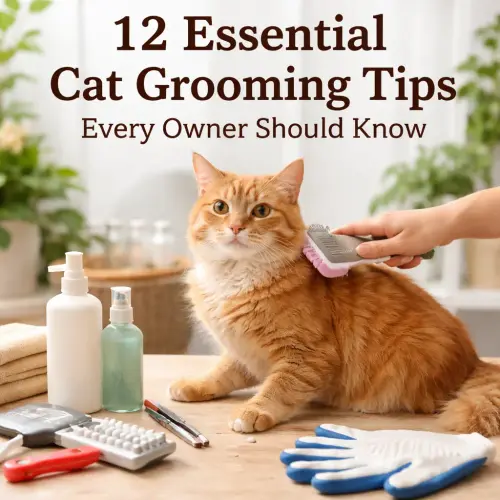
Why Every Cat Owner Needs a Grooming Routine
Grooming isn’t just about keeping your cat looking good—it’s essential for their health. Regular brushing removes loose fur, reduces hairballs, and stimulates natural oil production for a shiny coat. It also gives you a chance to check for lumps, parasites, or skin issues. Whether you have a long-haired Persian or a short-haired Domestic Shorthair, these cat grooming tips will help you create a safe, positive experience for both of you.
12 Essential Cat Grooming Tips for a Healthy, Happy Cat
1. Choose the Right Brush for Your Cat’s Coat
Start with a brush suited to your cat’s fur type. For short-haired cats, a rubber grooming mitt or bristle brush works well to remove loose hair. Long-haired breeds benefit from a stainless steel comb or slicker brush to prevent mats. Introduce the brush slowly, letting your cat sniff it first, and reward them with treats.
2. Brush in the Direction of Hair Growth
Always brush from head to tail, following the natural direction of the fur. This avoids pulling on sensitive skin and makes the experience more comfortable. For long-haired cats, gently work through tangles starting at the tips to avoid pain.
3. Use Positive Reinforcement During Sessions
Keep grooming sessions short—5 to 10 minutes—especially at first. Pair brushing with treats, gentle petting, and a calm voice. Over time, your cat will associate grooming with positive attention rather than stress.
4. Establish a Weekly Brushing Schedule
For most cats, brushing once or twice a week is sufficient. During shedding season (spring and fall), increase frequency to daily. Consistency helps your cat adjust and reduces the amount of loose fur around your home.
5. Check and Clean Your Cat’s Ears Weekly
Inspect your cat’s ears for redness, discharge, or odor. Use a vet-recommended ear cleaner and a cotton ball to gently wipe the outer ear. Never insert anything into the ear canal. Clean ears are a key part of a complete cat grooming guide.
6. Trim Nails Regularly with Proper Technique
Use cat-specific nail clippers and trim only the sharp tip—avoid the pink “quick” area. If you’re unsure, ask your vet to show you. Trim one paw at a time, rewarding calm behavior. Trimming every 2–4 weeks prevents snagging and scratching damage.
7. Bathe Your Cat Only When Necessary
Most cats groom themselves effectively, but occasional baths may be needed for very dirty or long-haired cats. Use lukewarm water and a cat-safe shampoo. Have a towel ready and work quickly. Rinse thoroughly to avoid residue that can irritate the skin.
8. Brush Your Cat’s Teeth to Prevent Dental Disease
Dental health is often overlooked in grooming. Use a cat-specific toothbrush and toothpaste (never human toothpaste). Start by letting your cat taste the toothpaste, then gently brush a few teeth at a time. Aim for 2–3 times per week to reduce tartar and bad breath.
9. Keep an Eye on Eye and Nose Discharge
Gently wipe away any crust or discharge from the corners of your cat’s eyes with a damp, soft cloth. Use a separate cloth for each eye to avoid spreading infection. Watery eyes or persistent discharge should be checked by a veterinarian.
10. Use a Grooming Glove for Matted Fur
For cats that dislike traditional brushes, a grooming mitt lets you remove loose fur while petting. It’s especially useful for short-haired cats and cats with sensitive skin. The glove also massages your cat, promoting relaxation.
11. Watch for Signs of Skin Problems
While grooming, run your hands over your cat’s body. Feel for bumps, scabs, or dry patches. Look for fleas, ticks, or bald spots. Early detection of skin issues means faster treatment and less discomfort for your cat.
12. Make Grooming a Bonding Experience
Grooming is a powerful bonding activity. Talk softly to your cat, give them breaks, and end each session with a treat or playtime. A relaxed cat will grow to tolerate—and even enjoy—regular grooming. This is one of the most rewarding cat grooming tips for strengthening your relationship.
How to Groom a Cat That Hates Being Brushed
Some cats resist grooming because they’re nervous or have had a bad experience. Start by placing the brush near their favorite sleeping spot for a few days. Next, gently stroke them with the brush while they eat or relax. Use high-value treats and keep initial sessions under two minutes. If your cat is extremely anxious, consult your veterinarian or a professional cat groomer for behavior advice.
Common Cat Grooming Mistakes to Avoid
Even well-meaning owners can make mistakes. Avoid pulling on mats (use a detangling spray or scissors carefully). Never use human shampoo—it strips natural oils. Don’t bathe a cat that is overly stressed; skip the bath and stick to brushing. Finally, don’t skip grooming sessions for more than two weeks, or mats and hairballs can worsen.
Useful Resources
Learn more about feline grooming from trusted sources:
- VCA Hospitals: Cat Grooming, Brushing, and Shedding — Expert veterinary advice on grooming frequency and techniques.
- Cats Protection: Grooming Your Cat — Comprehensive guide from a leading feline welfare charity.
Frequently Asked Questions About cat grooming tips
How often should I brush my cat?
Most cats benefit from brushing at least once a week. Long-haired breeds may require daily brushing during shedding season.
What type of brush is best for a long-haired cat?
A stainless steel comb and a slicker brush are ideal for long-haired cats to prevent mats and remove loose undercoat.
Can I use human shampoo on my cat?
No. Human shampoo can disrupt your cat’s skin pH and cause irritation. Always use a shampoo formulated specifically for cats.
How do I trim my cat’s nails safely?
Use cat nail clippers and cut only the clear tip, avoiding the pink quick. If unsure, ask your vet to demonstrate.
My cat hates being brushed. What should I do?
Start with very short sessions, use treats, and try a grooming glove. Build up slowly over weeks.
How can I reduce shedding in my home?
Regular brushing removes loose fur before it falls. A high-quality diet rich in omega-3 fatty acids also helps reduce shedding.
Do I need to bathe my cat?
Most cats do not need baths because they groom themselves. Bathe only if your cat is very dirty, has a medical condition, or is a hairless breed.
What are signs of ear problems in cats?
Redness, swelling, dark discharge, unpleasant odor, or frequent head shaking can indicate an ear infection or mites.
How do I clean my cat’s ears?
Use a vet-recommended ear cleaner. Apply a few drops to a cotton ball and gently wipe the outer ear. Never insert anything into the ear canal.
Can grooming help detect health problems?
Yes. Regular grooming lets you feel for lumps, check for parasites, and spot skin issues early.
What should I do if I find a mat in my cat’s fur?
Gently work the mat apart with your fingers or a detangling spray. For severe mats, consult a professional groomer.
How often should I brush my cat’s teeth?
Aim for 2–3 times per week using a cat-specific toothbrush and toothpaste.
Is it normal for my cat to shed a lot in spring?
Yes. Cats shed heavier in spring and fall. Increase brushing frequency during these times to manage loose fur.
What is the best way to introduce grooming to a kitten?
Start with gentle petting, then introduce a soft brush. Keep sessions very short and reward with treats. This builds positive associations.
Can I use a hair dryer to dry my cat after a bath?
Only if your cat tolerates the noise. Use the lowest heat setting and keep the dryer moving. Never use on high heat.
What are the benefits of professional cat grooming?
Professional groomers can safely handle mats, give a thorough bath, and trim nails. They also spot skin issues you might miss.
How do I know if my cat is stressed during grooming?
Signs include flattened ears, tail flicking, hissing, growling, or trying to escape. Stop immediately and give treats.
Should I groom an older cat differently?
Yes. Older cats may have arthritis, so be gentler. Use a soft brush and keep sessions shorter. Check for mobility issues.
What tools do I need for a basic cat grooming kit?
A slicker brush or comb, nail clippers, ear cleaner, cotton balls, and cat-safe toothpaste and toothbrush.
Can grooming help with hairball control?
Absolutely. Regular brushing removes loose fur before your cat ingests it, significantly reducing hairballs.