



home grooming tips Key Takeaways
Mastering a few DIY grooming tricks can save you hundreds of dollars a year and give you that fresh-from-the-salon confidence every morning.
- Invest in quality clippers and sharp scissors to make home grooming tips safer and more effective.
- Always prep your skin and hair before starting any trim or treatment to avoid irritation and uneven results.
- Consistency matters more than perfection — a quick 10-minute routine beats a marathon session once a month.
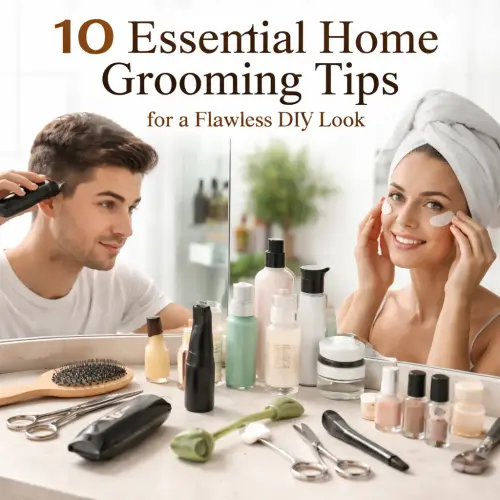
Why DIY Grooming at Home Is a Game-Changer
Let’s face it: regular salon visits eat up both time and money. Learning a few simple home grooming tips lets you take control of your look without the appointment stress. Plus, when you do it yourself, you can pause, redo, or adjust as you go — something no stylist can offer.
Whether you’re trimming your own bangs, shaping your eyebrows, or giving yourself a quick mani, the right techniques make all the difference. Below are ten practical, expert-backed strategies to elevate your at-home routine.
1. Invest in the Right Tools for Home Grooming Tips
You wouldn’t paint a masterpiece with a child’s brush set. The same logic applies to DIY grooming at home. A good pair of stainless-steel hair shears, a high-quality electric trimmer with adjustable guards, and a set of fine-tipped tweezers are non-negotiable. Dull tools tug, snag, and cause uneven cuts. Healthline has a great guide on choosing the right scissors for home haircuts.
2. Always Work on Clean, Dry Hair or Skin
Wet hair stretches, making it easy to cut off more than you intended. For home grooming tips related to haircuts, always start with clean, towel-dried hair. Similarly, when trimming nails or shaping brows, clean skin reduces the risk of infection and lets you see the natural contours better. A quick wash followed by a gentle pat dry is your best prep step. For a related guide, see 10 Essential Grooming Tips to Keep Pets Clean and Happy.
3. Master the Section-and-Clip Method
One of the biggest mistakes people make when practicing DIY grooming at home is trying to cut everything at once. Instead, part your hair into four sections — top, left, right, and back — and clip each one. Work on one section at a time. This approach gives you control and symmetry. You can also use this technique for beard trims: section off your sideburns, cheeks, and mustache area.
4. Go Slow and Check Often
It’s tempting to rush through a home grooming session, but patience is your best friend. Trim a tiny amount, step back, look in the mirror from different angles, then trim again. This is especially important for bangs and beard shaping. Remember: you can always take more off, but you can’t put hair back. That mantra is arguably the most valuable of all home grooming tips.
5. Use the Right Skincare Sequence
DIY grooming at home isn’t just about hair. A simple skincare routine — cleanse, exfoliate, moisturize — can transform your complexion. But order matters. Always cleanse first to remove dirt, then exfoliate (no more than twice a week), and finally seal in hydration. If you use serums or oils, apply them before moisturizer. The American Academy of Dermatology explains why layering correctly boosts product effectiveness.
6. Nail Care: Push, Don’t Cut Cuticles
Cuticle cutting can lead to infection and ragged skin. A gentler, salon-approved method is to soak your fingers in warm water, apply cuticle remover, and gently push back the cuticles with an orange stick. This keeps nails healthy and tidy. Add a clear top coat to extend your manicure by several days — a simple yet powerful home grooming tip.
7. Brow Shaping Starts With Mapping
Overplucking eyebrows is a common regret. Before you tweeze, use a pencil or tweezers to map your ideal arch: line it up vertically from your nostril past the inner corner of your eye (start), diagonal from nostril past the outer iris (arch), and diagonal from nostril past the outer eye (end). Only remove hairs outside this natural guide. This method helps maintain a balanced, natural shape.
8. Don’t Skip the Neck and Hairline
When trimming your own hair, it’s easy to focus on the top layers and forget the nape of your neck or the edges along your ears. Use a hand mirror in front of a larger mirror to check these hidden spots. A crisp neckline and clean hairline make even a simple home haircut look polished. For men trimming beards, the same rule applies: clean up the neck line just above the Adam’s apple.
9. Hydrate From the Inside Out
Great home grooming tips aren’t all about external techniques. Your skin, hair, and nails reflect your internal health. Drink plenty of water, and consider adding foods rich in biotin (eggs, nuts, sweet potatoes) and omega-3s (salmon, flaxseeds). A consistent sleep schedule also helps reduce puffiness and dark circles, making your grooming efforts pop even more.
10. Create a Weekly Grooming Schedule
One of the best home grooming tips is to stick to a routine. Set aside 30 minutes every Sunday evening for a full grooming session: trim nails, shape brows, exfoliate face, and give yourself a quick haircut check. Having a dedicated time slot keeps you consistent, so you never let things slide. Write it on your calendar and treat it like a non-negotiable appointment with yourself.
Comparison of Essential Home Grooming Tools
Choosing the right equipment can feel overwhelming. Here’s a quick comparison of the most common tools you’ll need for DIY grooming at home. For a related guide, see 12 Essential Cat Grooming Tips Every Owner Should Know.
| Tool | Best For | Price Range | Key Feature |
|---|---|---|---|
| Hair shears (stainless steel) | Haircuts, bangs trims | $15 – $50 | Sharp, long-lasting blade |
| Electric trimmer | Beard, neckline, body hair | $30 – $100 | Adjustable length guards |
| Fine-tip tweezers | Eyebrow shaping | $10 – $25 | Slanted tip for precision |
| Cuticle remover and orange stick | Nail care | $5 – $15 | Gentle, non-invasive |
| Exfoliating scrub | Facial skincare | $8 – $30 | Microbeads or natural granules |
Who Benefits Most From These Home Grooming Tips?
These home grooming tips work well for anyone who wants to maintain a polished appearance without the salon price tag. Busy parents, remote workers, college students, and people in rural areas with limited access to salons will find these techniques especially helpful. Even if you love visiting your stylist, knowing how to handle touch-ups between appointments keeps your look fresh longer.
Useful Resources
For more detailed instructions, check out these trusted sources:
Now you’ve got everything you need to start your own DIY grooming at home journey. Pick one or two tips from this list and practice them this week. You’ll be surprised how quickly you build confidence — and how good it feels to look great on your own terms.
Frequently Asked Questions About home grooming tips
How often should I trim my hair at home?
Every 4 to 6 weeks is ideal for maintaining shape, but it depends on hair growth rate and style.
What type of scissors are best for home haircuts?
Stainless-steel hair shears with a sharp, beveled edge are best. Never use paper scissors — they cause split ends.
Can I use the same clipper for my beard and head hair?
Yes, but clean the blade thoroughly between uses and adjust guard lengths as needed.
How do I prevent razor bumps from shaving at home?
Shave in the direction of hair growth, use a sharp blade, and apply a soothing aftershave balm.
Is it safe to cut my own bangs?
Yes, as long as you cut dry hair, take small sections, and point-cut vertically instead of snipping straight across.
What’s the best way to shape eyebrows at home?
Use the pencil mapping method and tweeze only stray hairs outside your natural arch. Don’t overpluck from the top.
How can I make my home manicure last longer?
Apply a base coat, two thin color coats, and a top coat. Reapply top coat every other day for longevity.
Should I exfoliate before shaving?
Yes, but use a gentle scrub and wait a few minutes afterward to let the skin calm down before shaving.
What’s the best way to trim a beard at home?
Start with a longer guard, trim downward, then switch to a shorter guard for the neckline. Use scissors for stray hairs.
How do I remove hair from my ears and nose safely?
Use a dedicated ear and nose trimmer specifically designed for sensitive areas. Never use scissors or tweezers inside the nose.
Can I use coconut oil as a moisturizer after grooming?
Yes, it’s great for skin and hair, but avoid it on your face if you’re prone to acne — use a non-comedogenic moisturizer instead.
What’s the ideal water temperature for washing my face?
Lukewarm water is best. Hot water strips natural oils, while cold water doesn’t clean pores effectively.
How do I take care of my grooming tools?
Clean clipper blades with brush and oil after every use. Scissors should be wiped dry and stored in a case.
Which hair types are easiest to cut at home?
Straight and medium-thickness hair is generally easiest. Curly or very thick hair may need professional help for precise layers.
Can I dye my hair at home safely?
Yes, follow the instructions carefully, do a patch test 48 hours prior, and use gloves to avoid staining skin.
What’s the best way to deal with ingrown hairs?
Exfoliate gently, apply warm compresses, and use a salicylic acid-based toner. Never dig them out with tweezers.
How do I keep my feet soft at home?
Soak feet in warm water, use a pumice stone, then apply a thick urea-based cream and wear cotton socks overnight.
Is it better to trim nails wet or dry?
Dry trimming is less likely to cause tearing. Soak them first only if nails are very thick or for cuticle care.
What mistakes do people make during home grooming?
The most common ones are cutting too much at once, using dull tools, and skipping preparation steps like cleansing.
How can I make my home grooming routine quicker?
Keep all tools organized in one drawer, stick to a weekly schedule, and master a few multipurpose techniques to save steps.