



signs your pet needs grooming Key Takeaways
Spotting the early signs your pet needs grooming can prevent painful mats, skin infections, and even messy accidents around the house.
- Regular grooming sessions help you catch signs your pet needs grooming before they turn into bigger issues like hot spots or ear infections.
- Bad odor, matted fur, and visible dirt are clear indicators it’s time for a brush or bath.
- Knowing when to handle grooming at home versus calling a professional can save you stress and keep your pet comfortable.
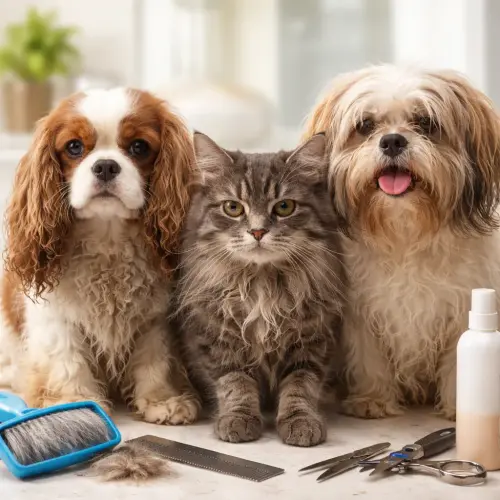
What Are the Most Common signs your pet needs grooming?
Your pet can’t tell you directly when they feel itchy or uncomfortable, but their behavior and appearance speak volumes. Recognizing signs your pet needs grooming early on helps you maintain a healthy coat, clean ears, and trimmed nails. It also strengthens the bond you share—touching and handling your pet during grooming builds trust and gives you a chance to check for lumps, bumps, or skin problems. For a related guide, see 12 Warning Signs of Skin Problems in Pets Every Owner Must.
Sign 1: A Strong, Unpleasant Odor
Even after a trip to the dog park, your pet shouldn’t smell heavily of wet dog, urine, or something yeasty. If you notice a persistent bad odor, it’s one of the most obvious signs your pet needs grooming. That smell often comes from bacteria or yeast buildup on the skin, trapped dirt, or even anal gland issues. A thorough bath with a pet-safe shampoo can usually freshen things up, but if the smell returns quickly, a vet visit might be in order.
Tip: Brush your pet before bath time to remove loose fur and mats—it makes the shampoo work much better!
Sign 2: Matted or Tangled Fur
Mats aren’t just unsightly; they can pull on your pet’s skin and cause real pain. When fur clumps together tightly, air can’t circulate, and moisture gets trapped, leading to hot spots or skin infections. This is especially common in long-haired breeds like Golden Retrievers, Persians, or Shih Tzus. If you run your fingers through their coat and hit resistance, that’s one of the clearest signs your pet needs grooming.
Tip: Use a slicker brush or undercoat rake gently on mats—if they’re too tight, see a groomer to avoid hurting your pet’s skin.
Sign 3: Visible Dirt, Debris, or Grease
If your pet’s fur looks dull, greasy, or has bits of leaves and dirt stuck in it, a bath is overdue. Rolling in the yard is fun for them, but that dirt can carry parasites or allergens. Keeping the coat clean is a basic aspect of pet grooming signs that many owners overlook until the stains are impossible to ignore.
Tip: A quick wipe-down with a damp cloth after outdoor play can extend the time between full baths.
Sign 4: Overgrown Nails Clicking on the Floor
Hear that familiar click-click-click as your pet walks across tile or hardwood? Overgrown nails can cause discomfort and even alter your pet’s posture over time. Long nails are also prone to splitting or snagging on carpets, which can be very painful. This is a classic example of signs your pet needs grooming that’s easy to hear and see.
Tip: Trim nails every 3-4 weeks or use a scratch board if your pet fears clippers. Aim for just before the quick (the pink part).
Sign 5: Excessive Shedding or Fur Everywhere
A little shedding is normal, especially during seasonal changes. But when you find fur tumbleweeds rolling across your living room every day, your pet might be carrying more dead hair than usual. Regular brushing removes that loose undercoat and distributes natural oils. Ignoring this is one of the more subtle signs your pet needs grooming that can lead to matting down the line. For a related guide, see 10 Essential Grooming Tips to Keep Pets Clean and Happy.
Tip: Use a deshedding tool like a FURminator once a week during heavy shedding seasons to cut the fur volume by half.
Sign 6: Ear Discharge, Redness, or a Funky Smell
Ear problems are common in floppy-eared dogs and cats. If your pet is shaking their head or scratching at their ears, and you see brown discharge or redness, grooming (specifically ear cleaning) is overdue. Dirty ears are a major sign your pet needs grooming that can quickly turn into a painful infection.
Tip: Clean ears weekly with a vet-approved ear cleaner and cotton balls—never use Q-tips, as they can push debris deeper.
Sign 7: Behavioral Changes—Irritability or Lethargy
Sometimes signs your pet needs grooming show up in their mood. A normally friendly dog might snap when you touch a matted spot, or a cat may hide more than usual. Grooming discomfort can make pets irritable, and overgrown nails can make walking uncomfortable. If you notice a change in attitude, a grooming session might be just what they need.
Tip: Always pair grooming with positive reinforcement—treats and calm praise help your pet associate brushing and baths with good things.
When Should You Consider Professional pet grooming signs vs. DIY Care?
Not every sign requires a trip to the groomer. For example, light brushing and regular nail trims can easily be done at home. But if you encounter severe matting, your pet shows extreme fear, or you’re unsure how to safely express anal glands, professional help is worth it. Professional groomers have the tools and training to handle difficult situations without stressing your pet. As a rule of thumb, if you find yourself struggling for more than 10 minutes, or your pet seems distressed, it’s best to call in an expert.
Simple Home Grooming Checklist
| Grooming Task | Frequency | DIY or Pro? |
|---|---|---|
| Brushing (short hair) | 2-3 times/week | DIY |
| Brushing (long hair) | Daily | DIY |
| Bath | Every 4-6 weeks | DIY or Pro |
| Nail trimming | Every 3-4 weeks | DIY (with practice) |
| Ear cleaning | Weekly | DIY |
| Severe mat removal | As needed | Pro |
| Anal gland expression | As needed | Pro (usually) |
Understanding when to groom my pet Based on Breed and Season
Different breeds have different grooming needs. A Poodle requires haircuts every 4-6 weeks, while a Beagle may only need a good brushing and occasional bath. Additionally, seasonal changes affect coat density—many dogs blow their coat in spring and fall, requiring extra brushing. Being aware of these factors helps you anticipate when to groom my pet rather than waiting for signs to become urgent.
Breed-Specific Considerations
Dogs with double coats (like Huskies or Shepherds) need de-shedding tools to remove the undercoat. Cats with long fur (like Maine Coons) benefit from regular combing to prevent hairballs. Always research your specific breed’s grooming schedule.
Seasonal Adjustments
During spring and fall, increase brushing frequency to manage shedding. In winter, baths can dry out skin, so reduce them and use moisturizing shampoos if needed. In summer, more frequent baths can help with dirt and allergies.
Useful Resources
For more detailed guidance on grooming techniques and breed-specific care, check out these trusted sources:
- American Kennel Club: Grooming Tips for Different Coat Types – A comprehensive guide on brushing, bathing, and trimming for various breeds.
- ASPCA: Dog Grooming Tips – Practical advice for at-home grooming, including nail trimming and ear cleaning.
Frequently Asked Questions About signs your pet needs grooming
Recognizing signs your pet needs grooming doesn’t have to be a guessing game. By paying attention to smell, coat condition, nails, and behavior, you can keep your pet comfortable and healthy. Whether you groom at home or visit a professional, the most important thing is to make it a positive experience for both of you. Your pet will thank you with happier snuggles and a healthier coat.
Frequently Asked Questions About signs your pet needs grooming
How often should I groom my pet?
It depends on breed and coat type, but most pets need brushing at least 2-3 times a week, a bath every 4-6 weeks, and nail trims every 3-4 weeks.
What are the most obvious signs your pet needs grooming ?
Bad odor, matted fur, visible dirt, overgrown nails, excessive shedding, and ear discharge are all strong indicators.
Can bad odor mean my pet is sick?
Yes, a foul smell can indicate skin infections, ear infections, dental issues, or anal gland problems. If grooming doesn’t help, consult your vet.
How do I remove mats from my pet’s fur?
Use a slicker brush or dematting tool gently. If the mat is tight or close to the skin, a groomer should handle it to avoid injury.
Is it okay to bathe my cat?
Most cats self-groom, but some breeds need baths. Use cat-safe shampoo, warm water, and dry them thoroughly. Avoid bathing too often.
What should I do if my pet hates grooming?
Start slowly, use treats and praise, handle them gently, and keep sessions short. Desensitization training can help over time.
How short should I trim my pet’s nails?
Trim just before the quick (the pink area inside the nail). If you cut too close, use styptic powder to stop bleeding.
Can grooming prevent health issues?
Absolutely. Regular grooming helps detect lumps, skin issues, parasites, and ear problems early, and keeps the coat healthy.
What tools do I need for basic grooming at home?
A slicker brush, comb, nail clippers, pet-safe shampoo, ear cleaner, and cotton balls are essential. Deshedding tools help for heavy shedders.
How do I clean my pet’s ears safely?
Apply vet-approved ear solution to a cotton ball, gently wipe the outer ear, and let your pet shake out excess. Avoid Q-tips.
Should I shave my double-coated dog in summer?
No, shaving can interfere with temperature regulation and lead to sunburn. Instead, brush more often to remove the undercoat.
When is it time to see a professional groomer?
If you encounter severe mats, your pet is stressed, or you need a haircut for a complex breed, it’s best to call a professional.
Can overgrown nails cause long-term problems?
Yes, they can alter your pet’s gait, cause joint pain, and lead to arthritis over time. Regular trimming prevents this.
How do I know if my pet has an ear infection?
Signs include redness, discharge, odor, head shaking, and scratching. A vet can confirm and prescribe treatment.
Is shedding normal for indoor pets?
Yes, but excessive shedding can indicate poor diet, stress, or skin conditions. Regular brushing and a healthy diet help manage it.
What is the best brush for long-haired cats?
A stainless steel comb or a slicker brush works well for detangling and reducing hairballs.
How often should I groom a senior pet?
Senior pets may need gentler, more frequent grooming to monitor skin lumps and keep them comfortable. Brush them daily if possible.
Can I use human shampoo on my pet?
No, human shampoos can strip natural oils and irritate your pet’s skin. Always use a pH-balanced pet shampoo.
What does it mean if my pet has dandruff?
Dry air, poor diet, or skin conditions can cause dandruff. Regular brushing and adding omega-3 fatty acids to their food can help.
Is it necessary to brush a short-haired pet?
Yes, brushing removes loose fur, distributes oils, and strengthens your bond. A rubber curry brush works well for short coats.