



protect your pet during hot weather Key Takeaways
Rising temperatures put dogs and cats at serious risk of heatstroke, dehydration, and burned paw pads.
- To protect your pet during hot weather , provide constant access to fresh water and shade.
- Never leave pets in parked cars — even for a few minutes — because internal temperatures can rise to deadly levels within seconds.
- Learn the early signs of heat exhaustion so you can intervene before it becomes life-threatening.
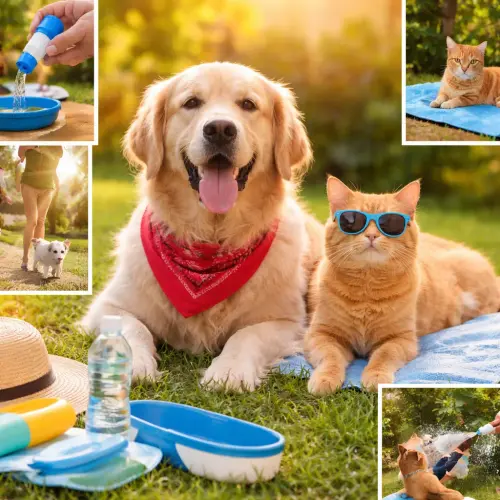
Why You Need to Protect Your Pet During Hot Weather This Summer
Dogs and cats cannot sweat like humans do. They rely on panting and a few paw pads to release heat, which makes them far more vulnerable to overheating. When the mercury climbs, their natural cooling system struggles to keep up. Without proper care, heatstroke can develop in minutes, leading to organ damage or worse. Understanding the simple yet effective ways to protect your pet during hot weather can mean the difference between a fun summer and a tragic emergency. For a related guide, see 7 Essential Dental Care Tips for Pets: Avoid Costly Mistakes.
10 Essential Tips to Protect Your Pet During Hot Weather
1. Provide Unlimited Fresh Water
Dehydration is the first step toward heatstroke. Place multiple water bowls around your home and yard so your pet always has easy access. Add ice cubes to keep the water cool throughout the day. For outdoor time, bring a portable water bottle and collapsible bowl. Even a short walk without hydration can stress your pet’s system in extreme heat. For a related guide, see 8 Essential Hydration Tips for Pets to Avoid Health Risks.
2. Create Cool Shaded Areas
Direct sunlight raises body temperature rapidly. Set up a shaded spot with a canopy, umbrella, or tree cover where your pet can escape the sun. Indoors, pull down blinds and keep a fan running. Air conditioning is ideal, but if you don’t have it, use a cooling mat or damp towel for your pet to lie on. This simple act helps you protect your pet during hot weather without expensive gear.
3. Avoid Walking on Hot Pavement
Asphalt and concrete can reach 60°C (140°F) on a sunny day, enough to burn paw pads in seconds. Test the ground with your own hand — if it’s too hot to touch for five seconds, it’s too hot for your dog’s paws. Walk early in the morning or late in the evening when surfaces have cooled. Consider protective booties for extra safety.
4. Never Leave Your Pet in a Parked Car
Even with the windows cracked, a parked car can heat up to dangerous levels within ten minutes. On a 30°C (86°F) day, the inside of a car can reach 50°C (122°F) or higher. Cracking the window does little to slow this rise. If you cannot bring your pet inside with you, leave them at home where they are safe. This is the single most important rule to protect your pet during hot weather.
5. Limit Exercise During Peak Heat Hours
Rigorous activity in midday heat puts immense stress on a pet’s cardiovascular system. Schedule walks, fetch, or runs for early morning or after sunset. Keep sessions short — 15–20 minutes — and watch for heavy panting or lagging behavior. For highly energetic breeds, consider indoor play like tug-of-war or treat puzzle toys instead.
6. Recognize the Signs of Heatstroke
Heatstroke is a medical emergency. Symptoms include excessive panting, drooling, red gums, vomiting, diarrhea, weakness, and collapse. If you suspect heatstroke, move your pet to a cool area immediately, apply cool (not ice-cold) water to their body, and contact your veterinarian right away. Knowing these signs helps you act fast and protect your pet during hot weather emergencies.
7. Never Shave Your Pet’s Coat Completely
A pet’s coat actually helps with temperature regulation. It provides insulation against heat and protects from sunburn. Shaving down to the skin can disrupt this natural system and increase the risk of overheating and skin damage. Instead, brush out loose fur to improve airflow, and leave the coat at a reasonable length. Long-haired breeds benefit from a trim, not a full shave.
8. Use Pet-Safe Sunscreen
Pets with light-colored fur, thin coats, or exposed skin are prone to sunburn, especially on the nose, ears, and belly. Sunburn not only causes pain but raises skin cancer risk. Use a pet-formulated sunscreen, never human products containing zinc oxide or oxybenzone, which are toxic to animals. Apply it to exposed areas before outdoor time. For a related guide, see 8 Essential Ear Care Tips for Pets: Avoid Painful Infections.
9. Keep Your Home Cool Without AC
Not everyone has air conditioning, and that’s okay. Close curtains during the hottest part of the day, use fans on the floor (pets often lie low), and place a frozen water bottle wrapped in a towel in your pet’s bed. You can also make a DIY cooling vest with a damp bandana. These low‑cost tricks are effective ways to protect your pet during hot weather indoors.
10. Watch for Breed-Specific Vulnerabilities
Flat-faced (brachycephalic) breeds like pugs, bulldogs, and Persian cats have narrow airways that make panting inefficient. They overheat much faster than other breeds. Senior pets, overweight animals, and those with heart or lung conditions are also at higher risk. Adjust your routine accordingly — shorter outdoor time, extra water breaks, and close monitoring are essential.
Comparison Table: Signs of Overheating in Dogs vs. Cats
| Symptom | Dogs | Cats |
|---|---|---|
| Panting | Heavy, rapid panting | Open-mouth breathing (rare — very serious sign) |
| Gum color | Bright red or pale | Dark red or bluish |
| Behavior | Restlessness, drooling, seeking shade | Hiding, lethargy, excessive grooming |
| Body temperature | Above 39.4°C (103°F) | Above 39.2°C (102.5°F) |
Useful Resources
These websites offer additional guidance on pet hot weather safety from trusted veterinary sources:
- AVMA: Hot Weather Pet Safety — Expert tips from the American Veterinary Medical Association.
- VCA Hospitals: Heatstroke in Dogs — In‑depth article covering symptoms, treatment, and prevention.
Conclusion
Keeping your companion safe when the temperature rises doesn’t require extreme measures — just thoughtful daily habits. By following these ten proven tips, you can confidently protect your pet during hot weather and enjoy summer together without worry. Remember: water, shade, and timing are your best tools. Be proactive, be observant, and your pet will thrive even on the hottest days.
Frequently Asked Questions About protect your pet during hot weather
How can I protect my pet during hot weather without air conditioning?
Use fans, close curtains during peak sun hours, provide a cooling mat or a damp towel, and set out frozen water bottles wrapped in fabric for your pet to lie against. Also keep water fresh and cool, and limit indoor exercise.
What temperature is too hot for dogs?
Generally, temperatures above 29°C (84°F) are risky for most dogs, and above 32°C (90°F) can be dangerous, especially for brachycephalic breeds, seniors, and overweight pets. Always check the ground and humidity levels too.
Can I leave a fan on for my dog while at work?
Yes, a fan can help with air circulation, but only if your pet has access to water and can move away from the fan if they become too cool. Fans alone won’t prevent heatstroke — they should be part of a larger cooling strategy.
How long should I walk my dog in hot weather?
Shorter walks of 10–15 minutes are best, especially during cooler parts of the day (early morning or late evening). Watch for heavy panting or slowing down, and bring water. If your dog is panting hard, stop and rest in shade.
What should I do if my dog gets heatstroke?
Move them to a cool or shaded area immediately. Pour cool (not ice-cold) water over their body, especially the head, neck, and paws. Let them drink small amounts of cool water. Then contact your veterinarian or emergency animal hospital right away.
Do cats need sunscreen?
Yes, especially white‑furred, thin‑coated, or hairless cats. Apply a pet‑safe sunscreen to their ears, nose, and belly if they go outdoors. Human sunscreen can be toxic to cats, so always use a product made for felines.
Is it okay to shave my cat in summer?
Only if done by a professional groomer and only for specific breeds with heavy coats. A full shave removes natural insulation and sun protection. A trim is safer and helps with cooling without stripping the coat’s benefits.
Can dogs eat ice cubes on hot days?
Yes, ice cubes are safe for most dogs — they can help cool them down and provide hydration. If your dog tends to gulp, you can crush the ice or add it to their water bowl instead of offering whole cubes.
How do I keep my pet cool while traveling by car?
Keep the car air conditioning on, never leave your pet in a parked vehicle, and make frequent stops for water and shade breaks. Use a portable fan and damp towels as backup. If the car gets too warm, postpone the trip.
What are the first signs of heat exhaustion in pets?
Excessive panting, drooling, restlessness, glazed eyes, bright red or pale gums, and a rapid pulse. Your pet may also start stumbling or seem uncoordinated. Take immediate action if you notice any of these signs.
Are certain dog breeds more at risk in hot weather?
Yes. Brachycephalic breeds (pugs, French bulldogs, boxers, shih tzus) have narrow airways and overheat quickly. Also at higher risk: seniors, overweight pets, and those with heart or lung conditions. Be extra vigilant with these pets.
Can I use a cooling vest on my dog?
Absolutely. Cooling vests that work by evaporation or with water are very effective for active dogs. Just ensure your dog tolerates wearing one, and follow the manufacturer’s instructions for activation and cleaning.
How often should I refill my pet’s water bowl in summer?
At least 2–3 times a day, and more often if the water looks warm, stale, or if your pet drinks a lot. Keep an extra bowl in a cool spot to encourage drinking. Add ice cubes to keep the water refreshing.
Is it safe to let my dog swim in the pool to cool off?
Yes, but supervise constantly. Ensure your dog can get out easily with stairs or a ramp. Pool chemicals can irritate eyes and skin, so rinse your dog with fresh water after swimming. Never force a dog to swim if they’re scared.
What should I do if my cat is panting heavily?
Open-mouth panting is rare and serious in cats. It often signals heatstroke, pain, or respiratory distress. Bring your cat to a cool area, offer water, and contact your vet immediately. Do not wait for it to pass.
Can I walk my dog at night in summer?
Yes, walks after sunset are safer because temperatures and pavement cool down. However, be cautious about insects, wildlife, and reduced visibility. Use reflective gear and a leash for safety.
Does wetting my dog’s coat help cool them down?
Yes, but not with ice‑cold water — that can constrict blood vessels and trap heat. Use cool tap water or lukewarm water, and wet the dog’s belly, paws, and head. Combine with shade and a fan for best cooling.
How do I know if my pet is dehydrated?
Gently lift the skin on the back of their neck — if it doesn’t snap back quickly, they may be dehydrated. Other signs: dry gums, sunken eyes, lethargy, and loss of appetite. Offer water and consult a vet if symptoms persist.
Are electric fans useful for cooling pets?
Fans help circulate air and can improve evaporative cooling from panting, especially at floor level where pets lie. However, fans do not lower ambient temperature. They should be used as a supplement to other cooling methods, not as a sole solution.
What is the best way to protect my pet on a heatwave day?
Keep them indoors in an air‑conditioned room or a well‑ventilated, shaded space. Provide ice water, damp towels, and a cooling mat. Postpone all non‑essential outdoor activities and watch for signs of heat stress constantly. When in doubt, stay home with them.