



dental care tips for pets Key Takeaways
Just like humans, pets need consistent dental care to avoid pain, infection, and expensive veterinary treatments.
- Daily tooth brushing using pet-safe toothpaste is the single most effective prevention method for dental care tips for pets .
- Dental diets, treats, and toys can complement brushing but should never replace it.
- Annual professional cleanings under anesthesia are essential for comprehensive pet dental health and early disease detection.
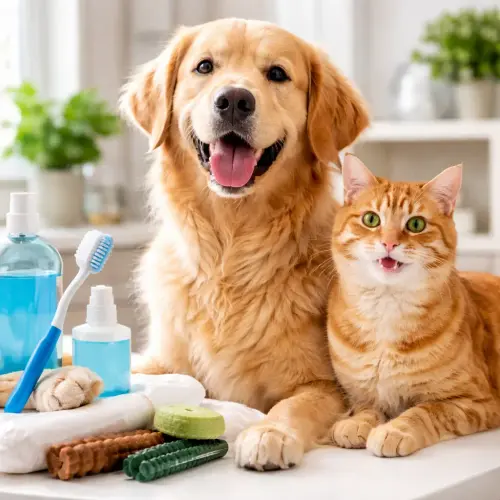
Why Every Pet Owner Needs These Dental Care Tips for Pets
Periodontal disease affects more than 80% of dogs and 70% of cats by the age of three, according to the American Veterinary Medical Association. Without proper pet dental care, bacteria from the mouth can enter the bloodstream and damage the heart, kidneys, and liver. Many owners overlook early signs like bad breath or yellowing teeth, assuming they are normal. They are not. Following proven dental care tips for pets can add years to your companion’s life and save you from painful (and expensive) oral surgeries. For a related guide, see 10 Essential Reasons Pets Need Annual Checkups for Long Life.
Tip 1: Brush Your Pet’s Teeth Daily — The Right Way
Brushing remains the gold standard for dog dental hygiene and cat dental care. Use a soft-bristled toothbrush designed for pets and enzymatic toothpaste formulated for animals — never human toothpaste, which contains xylitol (toxic to dogs) or fluoride (harmful if swallowed).
How to Make Brushing Stress-Free
Start slowly: let your pet lick the toothpaste from your finger for a few days, then gently lift the lip and brush a few teeth at a time. Reward with praise or a small treat. Aim for 30 seconds per side, at least five days per week. Consistency matters more than perfection.
Tip 2: Use Dental Treats and Chews Wisely
Dental treats and chews can reduce plaque and tartar buildup, but they are not a substitute for brushing. Look for products bearing the Veterinary Oral Health Council (VOHC) seal of acceptance. These have been tested and proven effective for dental care tips for pets. For a related guide, see 10 Essential Cat Care Tips for Busy Owners – Easy Guide.
Safe Chewing Guidelines
Always supervise your pet with any chew. Avoid hard materials like antlers, hooves, or nylon bones that can fracture teeth. Choose chews that are appropriately sized — too large can be intimidating, too small can be swallowed whole. For cats, consider freeze-dried chicken or fish skins as a safer alternative.
Tip 3: Choose a Dental Diet or Specialized Food
Several veterinary diets and over-the-counter foods are formulated to mechanically scrub teeth as your pet eats. Kibble size, shape, and texture are designed to create a brushing-like action. For cat dental care, some diets also include additives that reduce plaque mineralization.
What to Look For on the Label
Check for the VOHC seal or a statement that the diet has been clinically proven to reduce tartar. Common brands include Hill’s Prescription Diet t/d, Royal Canin Dental, and Purina Pro Plan Veterinary Diets. Transition gradually over a week to avoid digestive upset.
Tip 4: Try Dental Water Additives and Sprays
Water additives and oral sprays can help reduce bacteria in the mouth and freshen breath. They work best as a supplement to brushing, not a replacement. Most contain enzymes or chlorhexidine that inhibit plaque formation.
How to Use Them Effectively
Add the recommended dose to your pet’s fresh water daily. Some pets dislike the taste; start with half the dose and increase gradually. For sprays, lift the lip and apply directly to the gum line once or twice daily. These products are especially useful for cats who resist brushing.
Tip 5: Inspect Your Pet’s Mouth Regularly
Early detection of problems can prevent serious disease. Make it a habit to look inside your pet’s mouth once a week. Signs to watch for include red or swollen gums, bleeding, loose teeth, persistent bad breath, drooling, pawing at the mouth, or reluctance to eat hard food.
What a Healthy Mouth Looks Like
Healthy gums are pink (or pigmented depending on breed), teeth are clean and firmly anchored, and breath should have only a mild, not offensive, odor. If you notice any changes, consult your veterinarian promptly. Ignoring early signs can lead to tooth root abscesses and systemic infection.
Tip 6: Schedule Annual Professional Dental Cleanings
Even with diligent home care, most pets need professional cleaning under general anesthesia. A thorough scaling and polishing removes tartar below the gum line where brushes cannot reach. Your veterinarian will also take dental X-rays to detect hidden problems like resorptive lesions in cats or abscessed roots in dogs.
What Happens During a Professional Cleaning
Your pet is placed under anesthesia with continuous monitoring of heart rate, oxygen, and blood pressure. The veterinarian removes supra- and subgingival tartar, polishes teeth, and applies a fluoride or barrier sealant. Extractions are performed only if necessary. Most pets recover quickly and go home the same day.
Tip 7: Avoid Common Dental Care Mistakes
Many owners unknowingly do more harm than good. Avoid these pitfalls when following dental care tips for pets:
- Using human toothpaste: Toxic to pets. Always use enzymatic pet-safe paste.
- Brushing too hard: Use gentle circular motions. Hard scrubbing damages gums.
- Skipping professional cleanings: Home care alone cannot remove subgingival tartar.
- Giving bones or hard chews: These commonly fracture carnassial teeth.
- Ignoring bad breath: Halitosis is a sign of infection, not a natural state.
How to Build a Year-Round Pet Dental Health Routine
Creating a consistent schedule helps you stay on track with pet dental health. Here is a simple weekly framework:
| Frequency | Action |
|---|---|
| Daily | Brush teeth with enzymatic toothpaste |
| Daily | Offer a VOHC-approved dental chew or treat |
| Weekly | Inspect mouth for redness, swelling, or odor |
| Monthly | Change toothbrush head if bristles are worn |
| Annually | Professional dental cleaning and oral exam |
Useful Resources
For more guidance on pet dental care, explore these expert resources:
- American Veterinary Medical Association: Pet Dental Care
- Veterinary Oral Health Council – List of Accepted Products
Frequently Asked Questions About dental care tips for pets
How often should I brush my dog’s teeth?
Ideally daily, but at least five times per week. Consistency is more important than intensity.
Can I use human toothpaste for my cat?
No. Human toothpaste contains xylitol and fluoride that are toxic to cats. Always use enzymatic pet-safe toothpaste.
Do dental treats really work?
Yes, when they carry the VOHC seal. They reduce plaque and tartar but should complement brushing, not replace it.
What are signs of dental disease in pets?
Bad breath, red or bleeding gums, loose teeth, drooling, pawing at the mouth, and reluctance to eat hard food.
Is anesthesia necessary for professional dental cleaning?
Yes. Anesthesia allows thorough scaling below the gum line, X-rays, and safe extraction if needed. Non-anesthetic cleanings only remove visible plaque and can miss disease.
How can I brush my cat’s teeth if she resists?
Start by letting her lick enzymatic toothpaste from your finger. Gradually introduce a finger brush, then a small toothbrush. Use positive reinforcement and keep sessions short.
What kind of toothbrush is best for dogs?
A soft-bristled brush designed for pets or a finger brush. Some owners use a child’s toothbrush with soft bristles. Avoid hard bristles that irritate gums.
Can dental disease affect my pet’s overall health?
Yes. Bacteria from periodontal disease can enter the bloodstream and damage the heart, liver, and kidneys. Proper pet dental care protects more than just teeth.
Are raw bones safe for dog dental health?
No. Raw bones can fracture teeth, cause intestinal blockages, and introduce bacteria like Salmonella. VOHC-approved dental chews are safer alternatives.
What is the VOHC seal?
The Veterinary Oral Health Council evaluates dental products for pets. The VOHC seal means the product has been clinically proven to reduce plaque or tartar.
Can I use coconut oil to brush my pet’s teeth?
Coconut oil is not abrasive enough to remove plaque effectively. It is safer to use an enzymatic toothpaste specifically formulated for pets.
How do I know if my pet needs a tooth extraction?
Your veterinarian will determine this during an oral exam and X-rays. Signs include loose teeth, visible fracture, or root abscess.
Why does my dog’s breath smell even after brushing?
Persistent bad breath may indicate subgingival infection, retained baby teeth, or a foreign object. A veterinary dental exam is recommended.
Is dental water additive safe for cats?
Most enzymatic water additives are safe for cats when used as directed. Check the label for feline-specific dosing. Introduce gradually to avoid refusal.
What age should I start brushing my puppy’s teeth?
As early as 8 weeks. Starting young helps your puppy accept brushing as a normal routine. Use a soft finger brush and positive rewards.
How much does a professional pet dental cleaning cost?
Costs vary widely, typically from $300 to $1,200 depending on location, clinic, and whether extractions or X-rays are needed. Annual cleaning is a worthwhile investment in pet dental health.
Can small dog breeds have more dental problems?
Yes. Toy and small breeds often have crowded mouths, leading to faster tartar buildup and more frequent periodontal disease. Diligent home care is especially important for them.
How can I tell if my cat has a tooth resorption lesion?
Signs include drooling, pawing at the mouth, chattering while eating, or refusing dry food. These painful lesions can only be diagnosed with dental X-rays under anesthesia.
Should I use a dental spray or water additive instead of brushing?
They can be helpful supplements, but neither is as effective as mechanical brushing. Use them for pets that absolutely refuse brushing, or as an extra layer of protection.
What should I do if my pet’s gum is bleeding after brushing?
If occasional and slight, it may be from new brushing. If persistent or heavy, stop brushing and see your vet. Bleeding gums are a classic sign of periodontal disease.