



activities for energetic dogs Key Takeaways
If you own a high-energy breed like a Border Collie, Husky, or Jack Russell Terrier, you know that a quick walk around the block simply won’t cut it.
- Structured activities for energetic dogs reduce destructive behaviors and improve overall well-being.
- Combining aerobic exercise with brain games yields the best results for high-energy breeds.
- Many of these exercise ideas for high energy dogs can be done indoors or with minimal equipment.
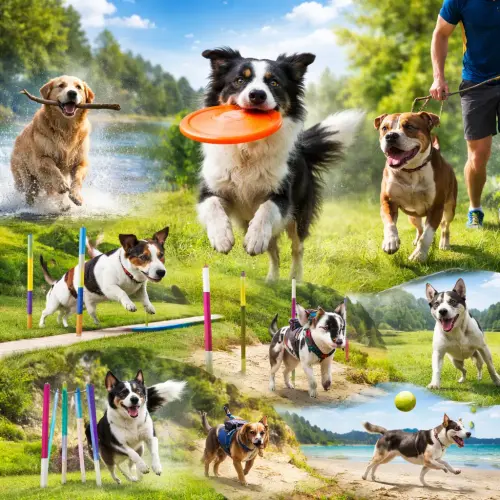
Why Structured Activities for Energetic Dogs Matter
Energetic dogs are not just “hyper” — they often have a genetic predisposition for stamina, speed, and problem-solving. Without an outlet, that energy can turn into chewing furniture, excessive barking, or digging. The best activities for energetic dogs channel that drive into something positive, strengthening your bond and keeping your dog physically fit. For a related guide, see 9 Warning Signs Your Pet Needs More Exercise and Mental.
Mental fatigue is just as important as physical tiredness. A game of fetch might wear out the legs, but a puzzle game wears out the brain. The following list combines both types of exertion, giving you a complete toolkit for a balanced, happy canine.
13 Proven Activities for Energetic Dogs
1. Biking or Canicross
For dogs that love to run, biking (using a springer attachment) or canicross (running while tethered to your dog) allows them to reach a full sprint safely. Start with short distances on soft trails to build endurance. Always use a harness designed for pulling to protect your dog’s neck.
Benefit: High-intensity cardio in a short time. Great for breeds like Dalmatians, Weimaraners, and Australian Shepherds.
2. Flirt Pole Play
A flirt pole is essentially a giant cat teaser for dogs — a long pole with a toy attached to a rope. You drag the toy across the ground, encouraging your dog to chase, pounce, and change direction. This mimics prey drive and burns energy fast.
Tip: Use a flirt pole for 10–15 minutes in a fenced yard. The stop-and-start movements improve agility and focus.
3. Tug-of-War with Rules
Tug-of-war is an excellent exercise idea for high energy dogs when played with boundaries. Teach a “drop it” command and a “take it” command. Play in short bursts, and make your dog sit before you start. This builds impulse control while providing a satisfying physical workout.
4. Nose Work and Scent Games
Hide treats or a favorite toy around the house or yard and let your dog “find it.” Start easy, then make it harder by hiding items in boxes, under blankets, or in different rooms. Scent work is mentally exhausting and taps into a dog’s natural hunting abilities.
Pro tip: Use a high-value treat like freeze-dried liver to maintain motivation.
5. Agility Training at Home
You don’t need a full competition course. Set up a DIY agility course using cones for weaving, a broomstick for jumps, and a sturdy table for “climb.” Guide your dog through the course with treats and praise. Agility builds coordination, confidence, and obedience.
6. Swimming and Water Retrieval
Swimming is a low-impact, full-body workout that’s especially good for dogs with joint issues (though energetic dogs usually have healthy joints). Throw a floating toy for retrieval in a safe, calm body of water. Always supervise and use a dog life vest if needed.
7. Puzzle Toys and Food Dispensers
Replace your dog’s food bowl with a puzzle toy like a Kong, a snuffle mat, or a treat-dispensing ball. This turns mealtime into a mental challenge. For extra difficulty, freeze wet food inside a Kong so it takes longer to extract.
Best for: Rainy days or when you need your dog to settle down after a walk.
8. Hiking on Varied Terrain
A hike on uneven trails uses different muscle groups and engages your dog’s mind with new smells, sights, and sounds. Choose trails with moderate elevation gain for a good workout. Bring plenty of water and check for ticks afterward.
9. Frisbee or Disc Dog
The classic Frisbee game remains one of the best activities for energetic dogs. The running, jumping, and catching provide aerobic exercise and mental focus. Use a soft, dog-specific disc to protect teeth. Start with low tosses and work up to longer distances.
10. Trick Training Session
Teach your dog a new trick each week — spin, play dead, roll over, or weave through your legs. Trick training requires concentration and repetition, which tires the brain. Plus, it’s a fun party trick that impresses friends.
Tip: Keep sessions to 5–10 minutes to maintain engagement. Use positive reinforcement only.
11. Doggy Playdates or Dog Park Visits
Controlled social play with another high-energy dog can be incredibly tiring. The chasing, wrestling, and role-swapping provide natural exercise. Choose a compatible playmate with similar size and play style. Supervise to ensure play stays friendly and doesn’t escalate.
12. “Find the Person” Game
Have a family member or friend hold your dog while you hide somewhere in the house or yard. Then call your dog to “find” you. This combines a recall exercise with a scent game, reinforcing your dog’s natural tracking skills. It’s a great indoor exercise idea for high energy dogs on cold days.
13. Structured Obedience Walks
Instead of a casual stroll, make your walk a training session. Practice heel, sit, down, and stay at random intervals. Change pace often — speed up, slow down, stop suddenly. This keeps your dog mentally engaged and teaches focus despite distractions.
Comparison of Activities for Energetic Dogs
| Activity | Physical Exertion | Mental Stimulation | Best For |
|---|---|---|---|
| Biking/Canicross | High | Low | Distance runners, high stamina breeds |
| Flirt Pole | High | Medium | Prey-driven dogs, fenced yards |
| Nose Work | Low | High | All breeds, indoor exercise |
| Agility Training | Medium-High | High | Active dogs needing coordination |
| Swimming | High | Low | Joint-friendly workout, retrievers |
| Puzzle Toys | None | High | Mealtime enrichment, calming |
| Structured Walk | Low-Medium | High | Focus training, all breeds |
How to Choose the Right Exercise Ideas for High Energy Dogs
Consider your dog’s age, breed, and health before picking an activity. Puppies have growing joints — avoid high-impact jumping until they are at least 12–18 months old. Senior dogs may prefer swimming or nose work over running. Also, evaluate your own fitness level and available space. The goal is consistency, not intensity. Even 15 minutes of structured play daily is better than one long weekend hike.
Useful Resources
For science-backed guidance on canine exercise and enrichment, check out the following authoritative sites:
- American Kennel Club: How Much Exercise Does a Dog Need? — Expert advice on exercise requirements by breed and age.
- VCA Animal Hospitals: Enrichment for Dogs — A veterinary perspective on mental and physical enrichment activities.
Every energetic dog deserves a life full of movement, discovery, and joy. Start with one or two of these activities for energetic dogs today, and watch your pup transform into a calmer, more focused companion. Your furniture — and your sanity — will thank you.
Frequently Asked Questions About activities for energetic dogs
How many hours of exercise does an energetic dog need per day?
Most high-energy breeds benefit from 1–2 hours of combined physical and mental exercise daily, split into two or three sessions. Adjust based on your dog’s age, breed, and individual needs.
What are the best activities for energetic dogs indoors?
Indoor favorites include nose work, puzzle toys, trick training, and flirt pole play in a spacious room. These tire the brain and body without requiring a yard.
Can energetic dogs be exercised too much?
Yes. Over-exercising can lead to joint damage, exhaustion, or heatstroke. Watch for signs like excessive panting, refusing to move, or limping. Rest days are important. For a related guide, see 8 Signs Your Pet Needs More Attention.
Is fetch a good exercise idea for high energy dogs ?
Fetch is decent but can become repetitive and hard on joints if done on hard surfaces. Mix it up with other activities to engage different muscle groups and mental skills.
What is canicross?
Canicross is a sport where a person runs while harnessed to their dog via a bungee line. The dog pulls ahead, providing both exercise and a teamwork experience. It’s popular with active runners and high-energy breeds.
Are dog parks safe for high-energy dogs?
Dog parks can be safe if your dog has good recall and social skills. Watch for overcrowding, aggressive dogs, or rough play. Always supervise and be ready to leave if things get tense.
How do I teach my dog to use a flirt pole?
Start by dragging the toy slowly on the ground to spark interest. Let your dog catch it occasionally to build drive. Always end the session with a calm settle to avoid over-arousal.
Can a tired dog still be hyper?
Some dogs become more hyper when overtired — similar to a toddler. If your dog is getting plenty of exercise but still seems frantic, they may need more structured rest or mental decompression time.
What is the best age to start agility training?
Wait until your dog is at least 12–18 months old for jumping and weaving to protect growing joints. Low-impact foundation skills like walking over poles can start earlier.
How often should I change my dog’s activities?
Rotate activities every few days to prevent boredom and overuse injuries. Introducing a new puzzle toy or trick weekly keeps the routine fresh and mentally stimulating.
Do high-energy dogs need more mental stimulation than physical?
Both are essential, but many owners focus too much on physical exercise. Mental stimulation can be more tiring at a fraction of the physical stress, making it a valuable tool for calming an energetic dog.
Is swimming safe for all energetic dogs?
Not all dogs are natural swimmers. Breeds with short legs or heavy chests may struggle. Always introduce water gradually, use a life vest, and never leave your dog unattended near water.
Can I use a regular bike for biking with my dog?
Use an attachment called a “springer” that connects the bike to your dog’s harness, preventing pulling from knocking the bike over. Never attach the leash to the handlebars.
What are the best toys for nose work?
Snuffle mats, puzzle boards, and treat-dispensing balls work well. You can also use simple cardboard boxes or muffin tins with tennis balls to hide treats underneath.
How long should a tug-of-war session last?
Keep tug sessions to 5–10 minutes with frequent pauses for the “drop it” command. This prevents over-arousal and reinforces impulse control.
Can I do scent work with a senior energetic dog?
Absolutely. Scent work is low-impact and highly engaging for older dogs. It maintains cognitive function and provides a sense of purpose without stressing joints.
What is a structured obedience walk?
Instead of letting your dog sniff everything, you intersperse commands like sit, down, and heel throughout the walk. This creates a focused training session that tires the mind more than the body.
How do I know if my dog is getting enough exercise?
A well-exercised dog will rest calmly at home, not pace or whine. They will sleep soundly through the night and be less likely to chew on inappropriate items.
Are there activities for energetic dogs that help with anxiety?
Yes. Nose work, puzzle toys, and calming structured walks can reduce anxiety by providing predictability and a sense of accomplishment. Avoid high-arousal games like chase if your dog is already anxious.
What should I do if my dog doesn’t like any of these activities?
Some dogs have unique preferences. Experiment with different toys, locations, and times of day. You can also consult a professional dog trainer to identify what motivates your individual dog.