



aging cat questions to ask vet Key Takeaways
As your feline friend enters their golden years, proactive veterinary care becomes the cornerstone of a long, comfortable life.
- The best aging cat questions to ask vet focus on early disease detection, pain management, and quality of life.
- Senior cats require specialized nutrition and adjusted preventive care schedules, not just the same routine from their younger years.
- Understanding how to assess subtle changes in behavior at home can dramatically improve the effectiveness of your vet visits.
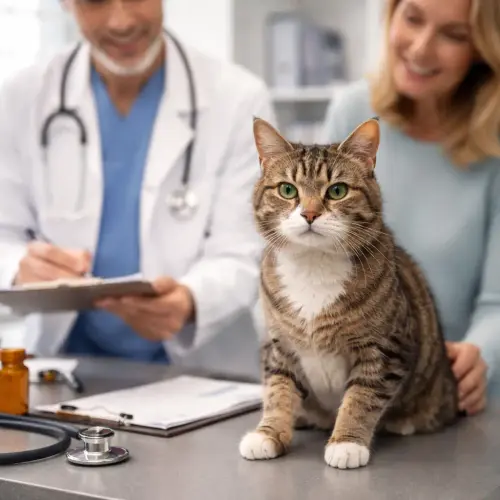
Why Asking the Right aging cat questions to ask vet Matters More in 2025
Cats are masters at hiding illness — a survival instinct that doesn’t switch off just because they live in a warm, safe home. By the time a cat is considered senior (around 10-12 years old), the risk for chronic conditions like kidney disease, hyperthyroidism, arthritis, and dental disease increases significantly. The aging cat health advice you receive from your veterinarian is only as good as the conversation you have. Asking targeted, informed questions helps your vet focus on what matters most to you and your cat’s daily life. For a related guide, see 11 Proven Ways Regular Vet Visits Help Pets Live Longer.
Veterinary medicine has advanced rapidly, with new diagnostic tests, pain management protocols, and dietary therapies available. A generic checkup may miss subtle signs. By preparing a list of specific questions to ask your vet about aging cats, you transform a routine appointment into a comprehensive geriatric consultation. This proactive approach often leads to earlier interventions, fewer emergency visits, and more quality time with your pet.
1. What Should I Feed My Aging Cat for Optimal Health?
Nutritional needs shift dramatically as cats age. Many senior cats lose muscle mass, while others become prone to obesity or weight loss due to underlying conditions like hyperthyroidism or diabetes. Ask your vet about the ideal diet for your cat’s specific body condition and health risks. Aging cat health advice often includes increased protein to preserve muscle, adjusted phosphorus levels for kidney support, and added omega-3 fatty acids for joint and brain health. Your vet may recommend a therapeutic diet tailored to early-stage disease, which can slow progression significantly.
2. What Bloodwork and Urinalysis Should We Run This Year?
Annual or semi-annual lab work is the gold standard for aging cat questions to ask vet about preventive care. A complete blood count, chemistry panel, thyroid check (T4), and urinalysis can reveal early indicators of kidney disease, diabetes, hyperthyroidism, and liver issues. Many clinics now offer senior wellness panels that bundle these tests at a lower cost. If your cat hates car rides or gets stressed at the vet, ask about at-home blood draw visits or sedation options that make the experience less traumatic.
3. How Can I Tell If My Cat Is in Pain?
Cats rarely limp or cry out from arthritis or dental pain. Instead, they become less active, stop jumping on furniture, or show subtle behavioral changes like hiding, reduced grooming, or irritability when touched. Your vet can teach you the Feline Musculoskeletal Pain Index (FMPI) or show you a simple checklist to assess mobility at home. This is one of the most critical questions to ask your vet about aging cats, as untreated pain severely impacts quality of life. Modern pain management options include NSAIDs, joint supplements, acupuncture, laser therapy, and newer monoclonal antibody treatments like Solensia.
Identifying Subtle Signs of Discomfort
Watch for changes in litter box habits (difficulty stepping in or out), reduced interaction, sleeping in new locations, or decreased appetite. Pain can also present as increased vocalization, especially at night. Keep a log of these behaviors for 2-3 weeks before your vet visit — it provides concrete data that helps your vet make better recommendations.
4. Should We Adjust My Cat’s Vaccination Schedule?
Over-vaccination can be a concern for senior cats with weakened immune systems or chronic disease. Many veterinarians now recommend titers (antibody level tests) instead of automatic boosters for core vaccines like FVRCP (feline distemper). Rabies vaccines may still be legally required, but your vet can often use a non-adjuvanted formulation that reduces injection-site reaction risks. This aging cat health advice can prevent unnecessary stress on an aging body while still providing protection.
5. What Can I Do to Support My Cat’s Kidney Function?
Chronic kidney disease (CKD) is the leading cause of illness in senior cats, affecting up to 30% of felines over 15 years old. Early detection through regular bloodwork allows for dietary management with prescription renal diets, phosphate binders, and subcutaneous fluid therapy at home. Ask your vet about the International Renal Interest Society (IRIS) staging system and what stage your cat is in, as recommendations vary significantly. This is one of the most valuable aging cat questions to ask vet because early intervention can add years to your cat’s life.
6. How Should I Care for My Cat’s Teeth and Gums?
Dental disease causes pain, bad breath, and can lead to systemic infections affecting the heart, kidneys, and liver. Ask your vet to demonstrate proper tooth brushing technique and recommend a veterinary-approved toothbrush and toothpaste. Professional dental cleanings under anesthesia are safer than ever with modern monitoring equipment and safer anesthetic protocols. Your vet can also advise on dental diets, water additives, or chew toys that help reduce plaque between cleanings. Neglecting dental health is one of the biggest mistakes in aging cat health advice for senior felines.
7. Is My Cat’s Weight Loss or Gain a Sign of Disease?
Weight loss is never normal in an aging cat and can indicate hyperthyroidism, diabetes, kidney disease, or gastrointestinal issues like small cell lymphoma. Conversely, sudden weight gain may point to hypothyroidism or fluid retention. Ask your vet about ideal body condition scoring and whether you should invest in a home scale to track weekly weights. A consistent record is far more useful than once-a-clinic measurements. This simple monitoring practice is a cornerstone of proactive questions to ask your vet about aging cats.
8. What Behavioral Changes Should I Worry About?
Cognitive dysfunction syndrome (CDS) — feline dementia — affects many older cats, leading to disorientation, altered sleep cycles, house soiling, and reduced interaction. Ask your vet about the DISHAAL checklist (Disorientation, Interaction changes, Sleep-wake cycle changes, House soiling, Activity changes, Anxiety, Learning deficits). Treatment may include environmental enrichment, dietary supplements like SAMe or omega-3s, and medications that improve brain metabolism. Another critical aging cat health advice topic is differentiating CDS from medical causes of behavior changes, such as high blood pressure causing blindness or hyperthyroidism causing hyperactivity.
9. How Often Should My Senior Cat Be Checked?
Most veterinary experts recommend twice-yearly wellness exams for cats over 10 years old. A cat year is roughly equivalent to 4-5 human years, so a six-month gap between checkups is like a human waiting 2-3 years between doctor visits. Ask your vet whether a six-month or yearly schedule is appropriate for your cat’s specific health status and risk factors. This is one of the most practical questions to ask your vet about aging cats to ensure you aren’t missing critical windows for early treatment.
10. When Is the Right Time to Consider End-of-Life Care?
This is the hardest conversation, but it’s essential for humane and compassionate care. Ask your vet about quality-of-life scales, what signs indicate suffering is outweighing enjoyment, and what palliative or hospice care options are available. Discuss euthanasia timing and how your clinic supports the process, including home euthanasia services if your cat dislikes the clinic. Knowing these options in advance — not in an emergency — allows you to make calm, loving decisions based on your cat’s comfort. This final, honest aging cat health advice is the most important gift you can give your companion. For a related guide, see 10 Essential Questions to Ask Your Veterinarian in Manila.
| Question Category | Key Focus Area | Benefit of Asking |
|---|---|---|
| Nutrition | Diet type, protein, phosphorus | Slows disease progression |
| Lab Work | Blood panel, urinalysis, T4 | Early detection of 6+ common diseases |
| Pain Assessment | Behavior changes, mobility | Improves daily comfort |
| Vaccination | Titers vs. boosters | Reduces immune system stress |
| Kidney Support | IRIS staging, diet, fluids | Adds years to life expectancy |
| Dental Care | Brushing, professional cleanings | Prevents systemic infection |
| Weight Monitoring | Home weighing, body scoring | Catches disease early |
| Behavior | DISHAAL checklist, enrichment | Slows cognitive decline |
| Checkup Frequency | Six-month vs. yearly visits | Prevents missed diagnosis |
| End-of-Life Planning | Quality scales, hospice options | Ensures peaceful transition |
Preparing for your next vet appointment with these ten aging cat questions to ask vet will give you both the confidence and clarity needed to manage your senior cat’s health journey. Early detection remains the single most powerful tool in extending both lifespan and quality of life. Book your appointment today — your cat’s golden years deserve nothing less than your informed, proactive care.
Useful Resources
For further reading on feline geriatric care and evidence-based aging cat health advice, visit the American Animal Hospital Association’s Senior Care Guidelines and the Today’s Veterinary Practice article on Geriatric Feline Nutrition.
Frequently Asked Questions About aging cat questions to ask vet
What age is considered senior for a cat?
Most veterinary organizations classify cats as senior between 10 and 12 years old, with geriatric status starting around 15 years. However, breed and individual health can shift these ranges.
How often should a senior cat see the vet?
Twice-yearly wellness exams are recommended for cats over age 10. This allows for early detection of diseases that progress faster in cats than in humans.
What blood tests are most important for older cats?
Key tests include a complete blood count, serum chemistry panel, total T4 (thyroid), and urinalysis. These screen for kidney disease, hyperthyroidism, diabetes, and liver issues.
Can I give my senior cat human pain medications?
Never give a cat human pain relievers like ibuprofen or acetaminophen — they are highly toxic. Only use veterinary-prescribed medications designed for feline metabolism.
How can I help my arthritic cat at home?
Provide ramps or steps to furniture, use heated beds, raise food and water bowls, and place litter boxes on every floor. Veterinary treatments include joint supplements, anti-inflammatory drugs, and laser therapy.
What is Solensia for cats?
Solensia (frunevetmab) is a monoclonal antibody injection that targets nerve growth factor to relieve osteoarthritis pain in cats. It is given monthly by a veterinarian.
Should I change my senior cat’s diet?
Yes, many senior cats benefit from diets lower in phosphorus and higher in quality protein. Some cats need therapeutic renal or hyperthyroid diets. Always consult your vet before switching.
Is dry food okay for older cats with dental issues?
Not always. Cats with dental pain may struggle with dry kibble. Wet or pâté food is often easier to eat and provides extra hydration, which benefits kidney function.
How can I tell if my cat has cognitive dysfunction?
Signs include pacing, staring at walls, forgetting litter box habits, altered sleep cycles, increased anxiety, and reduced interaction with family. A vet can use the DISHAAL checklist for diagnosis.
Do older cats need special vaccinations?
Yes, many vets recommend titers to check immunity before giving boosters. Non-adjuvanted vaccines are preferred for cats over 10 to reduce injection-site sarcoma risk.
Why is my senior cat losing weight despite eating normally?
Common causes include hyperthyroidism, diabetes, chronic kidney disease, and gastrointestinal lymphoma. A vet visit with bloodwork and imaging is essential for diagnosis.
How can I help my senior cat with high blood pressure?
Feline hypertension is often secondary to kidney disease or hyperthyroidism. Treatment involves managing the underlying condition and sometimes adding amlodipine, a safe antihypertensive for cats.
Is it normal for older cats to stop grooming?
No, reduced grooming often signals arthritis, dental pain, obesity, or systemic illness. A vet check can identify the cause and guide treatment to restore comfort and hygiene.
What is the Feline Musculoskeletal Pain Index?
The FMPI is a validated questionnaire used by vets and owners to objectively assess mobility and pain in cats with arthritis. It tracks changes over time.
Can kidney disease in cats be reversed?
No, chronic kidney disease is generally progressive and irreversible. However, early detection and management with diet, fluids, and medications can slow progression and maintain quality of life for months to years.
What is the quality-of-life scale for cats?
The most common scale is the HHHHHMM scale (Hurt, Hunger, Hydration, Hygiene, Happiness, Mobility, More good days than bad). It helps guide difficult end-of-life decisions.
How do I know when it’s time to euthanize my cat?
When your cat has more bad days than good, is in constant pain that can’t be managed, has stopped eating or drinking, or can no longer perform essential activities like using the litter box, it may be time.
Are there supplements that help aging cats?
Yes, common supplements include omega-3 fatty acids (fish oil), glucosamine/chondroitin, SAMe for cognitive and liver support, plus probiotics for digestion. Always consult your vet before adding any supplement.
Should I get pet insurance for my senior cat?
If you don’t already have it, most insurers won’t cover pre-existing conditions. However, some policies offer accident-only or wellness plans that can help with routine senior care costs.
Do male and female cats age differently?
Not dramatically, but neutered males are more prone to obesity and urinary issues, while spayed females have lower risks of mammary cancer. Lifespan differences are minor.