


Common Causes of Obesity in Dogs and Cats Key Takeaways
Pet obesity is a growing epidemic that affects more than half of all dogs and cats in the United States, leading to diabetes, joint disease, and a shorter lifespan.
- The common causes of obesity in dogs and cats range from overfeeding and lack of exercise to medical conditions like hypothyroidism.
- Simple changes in portion control, treat management, and daily activity can prevent weight gain in most pets.
- Early detection of obesity in dogs and cats improves outcomes and reduces the risk of secondary health problems.
What Every Pet Owner Should Know About Common Causes of Obesity in Dogs and Cats
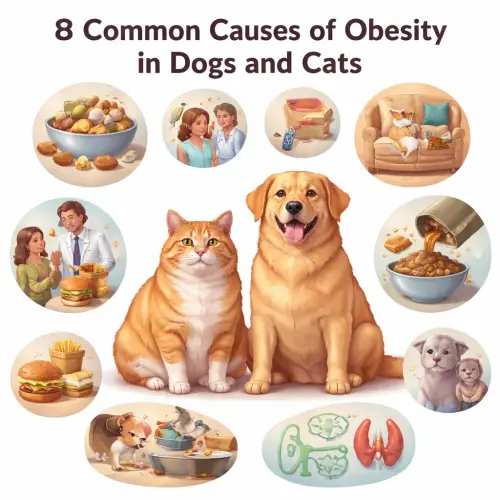
Pet obesity is not just about appearance. Carrying extra pounds puts stress on your pet’s heart, lungs, and joints. It increases the risk of diabetes, respiratory disorders, and certain cancers. As a responsible pet parent, recognizing the common causes of obesity in dogs and cats helps you make informed decisions about diet, exercise, and veterinary care. Let’s explore the eight primary factors behind unwanted weight gain. For a related guide, see 12 Common Pet Illnesses Explained: Essential Warning Signs.
1. Overfeeding and Free-Choice Feeding
One of the most widespread pet obesity causes is simply giving your pet too much food. Many owners leave bowls filled all day, a practice known as free-choice feeding, which encourages grazing and overconsumption. For a related guide, see 10 Pet Nutrition Mistakes Owners Should Avoid.
Why Portion Control Matters
A dog or cat’s daily calorie needs depend on age, breed, activity level, and spay/neuter status. A 10-pound adult cat needs roughly 180–200 calories per day, while a 20-pound dog may need 400–500 calories. Using a measuring cup or kitchen scale ensures accuracy.
How to Fix It
- Measure every meal using a standard measuring cup.
- Divide the daily portion into two or three smaller meals.
- Avoid leaving food out for more than 30 minutes.
2. Too Many Treats and Table Scraps
Obesity in dogs and cats often stems from extra calories hidden in treats and human food. Even one biscuit can contain 30–50 calories, which equals a significant percentage of a small pet’s daily allowance.
Treat Budgeting Tips
- Allocate no more than 10 percent of your pet’s daily calories to treats.
- Choose low-calorie options like green beans (dogs) or freeze-dried chicken (cats).
- Use a portion of your pet’s regular kibble as training rewards.
3. Lack of Physical Activity
Modern indoor lifestyles contribute heavily to the common causes of obesity in dogs and cats. Many dogs miss their daily walks, and cats rarely engage in spontaneous play.
Recommended Exercise Guidelines
Adult dogs need at least 30–60 minutes of aerobic activity daily. Cats benefit from 15–20 minutes of interactive play, such as chasing a laser pointer or feather wand. Indoor enrichment, like puzzle feeders and climbing trees, boosts calorie burn.
Simple Activity Boosters
- Walk your dog for 15 minutes twice a day.
- Rotate cat toys weekly to maintain interest.
- Use a treat-dispensing ball for mealtime.
4. Spaying and Neutering Effects
Spaying or neutering reduces the production of sex hormones, which can slow metabolism by 20–30 percent. This hormonal shift is a known pet obesity cause in both dogs and cats.
Post-Surgery Weight Management
After surgery, reduce your pet’s daily food intake by 25–30 percent and increase exercise gradually. Many veterinarians recommend a weight-management diet for spayed or neutered pets.
5. Breed and Genetic Predisposition
Certain breeds are more prone to obesity in dogs and cats due to genetics. Labrador Retrievers, Beagles, Dachshunds, and domestic shorthair cats top the list.
Managing Breed-Related Risks
If you own a predisposed breed, work closely with your vet to establish a weight range and feeding plan. Scheduled veterinary check-ups every six months help catch early weight gain.
6. Medical Conditions (Hypothyroidism and Cushing’s Disease)
Underlying health problems can trigger unexplained weight gain. Hypothyroidism (common in dogs) and Cushing’s disease slow metabolism, while diabetes and arthritis limit activity. These are serious pet obesity causes that require veterinary diagnosis. For a related guide, see 12 Health Problems Common in Older Dogs and Cats: Essential Warning Signs.
When to See a Vet
If your pet gains weight despite proper feeding and exercise, schedule blood work to rule out thyroid dysfunction or adrenal gland issues. Early treatment can reverse weight gain and improve quality of life.
7. Age-Related Metabolic Slowdown
As pets age, their metabolism naturally slows down. Senior dogs and cats need fewer calories yet often stay on the same diet they ate as adults. This mismatch is one of the overlooked common causes of obesity in dogs and cats.
Adjusting for Senior Pets
Switch to a senior-specific formula with lower calorie density and higher fiber. Reduce portion sizes and continue low-impact exercise like short walks or stretching games.
8. Misinterpretation of Body Condition Score
Many owners cannot tell if their pet is overweight. Studies show that 50–60 percent of owners of overweight pets incorrectly describe them as a normal weight. Learning the Body Condition Score (BCS) system helps you spot obesity in dogs and cats early.
How to Assess Your Pet’s BCS
- Feel the ribs: They should be easily felt under a thin layer of fat.
- Look for a visible waist when viewing from above.
- Check for an abdominal tuck when viewing from the side.
If you can’t feel the ribs or see no waist, your pet is likely overweight. Consult your vet for guidance.
Actionable Steps for Long-Term Weight Management
Preventing and reversing pet obesity causes requires consistency and a team approach. The following checklist offers a practical starting point.
| Action | Frequency | Owner Tip |
|---|---|---|
| Weigh your pet | Every 2–4 weeks | Use a baby scale for cats and small dogs |
| Measure meals | Every feeding | Use a standard 8 oz measuring cup |
| Daily exercise | At least 20–30 minutes | Split into morning and evening sessions |
| Treat count | Record each treat | Set a daily treat limit of 5–10 calories |
| Vet check-up | Twice a year | Bring a food diary to each visit |
Useful Resources
For additional guidance on managing obesity in dogs and cats, explore these trusted external sources:
- American Veterinary Medical Association – Pet Obesity – Official advice on prevention and treatment from leading veterinarians.
- Association for Pet Obesity Prevention – Annual survey data, body condition charts, and weight management tools for pet owners.
Frequently Asked Questions About Common Causes of Obesity in Dogs and Cats
What is the number one cause of obesity in dogs and cats ?
Overfeeding — specifically consuming more calories than burned through daily activity — is the most common pet obesity cause across both species.
Can hypothyroidism cause obesity in dogs?
Yes, hypothyroidism slows metabolism and leads to weight gain even when diet and exercise remain unchanged. It is one of the medical common causes of obesity in dogs and cats.
How many calories should my cat eat daily?
An average 10-pound adult cat needs about 180–200 calories per day. Adjust for age, activity, and spay status. Your vet can calculate exact needs.
Is it safe to put my dog on a diet without a vet?
No. Rapid weight loss can cause serious health issues in dogs, especially fatty liver disease. Always consult a veterinarian before starting a weight-loss plan.
How much weight can a dog lose safely per week?
Most dogs can safely lose 1–2 percent of their body weight per week. Cats should lose 0.5–1 percent weekly.
Do spayed cats gain weight automatically?
Not automatically, but spaying reduces metabolic rate. Without adjusting food intake, many spayed cats do gain weight. It is one of the known pet obesity causes.
Can treats really cause obesity in pets?
Yes. Even two small treats per day can add up to 100 extra calories, leading to significant weight gain over months. Treats are a major contributor to obesity in dogs and cats.
What is a Body Condition Score (BCS)?
The BCS is a 1–9 or 1–5 scale used by vets to assess fat. A healthy pet scores in the middle range. Learning BCS helps owners identify early weight gain.
How can I tell if my cat is overweight?
You should be able to feel your cat’s ribs with slight pressure. If the ribs feel padded or invisible, your cat may be overweight.
Does age affect pet obesity risk?
Yes. Metabolic rate declines with age, so senior pets require fewer calories. Failure to adjust portions is one of the overlooked common causes of obesity in dogs and cats.
What is the best type of exercise for an obese dog?
Low-impact activities like swimming, short leash walks, and gentle fetch. Avoid high-impact jumping until the dog has lost some weight.
Can a cat be too old to start exercising?
No. Older cats benefit from gentle play, such as wand toys or treat puzzles. Always consult your vet before starting any new routine.
Is grain-free food better for weight loss in pets?
Not necessarily. Grain-free does not mean low-calorie. Focus on calorie density, protein-to-fat ratio, and portion size rather than ingredient trends.
How often should I weigh my pet at home?
Weigh your pet every two to four weeks using a consistent method. Track the numbers in a log or app to monitor trends.
Can obesity cause diabetes in dogs and cats?
Yes. Excess body fat is a primary risk factor for insulin resistance and diabetes mellitus in both species. Weight loss can reverse early diabetes in some cases.
What should I do if my pet keeps begging for food?
Ignoring begging behavior is essential. Stick to the scheduled feeding plan. Use a food-dispensing puzzle or a frozen Kong as a distraction.
Are certain dog breeds more likely to become obese?
Yes. Labrador Retrievers, Beagles, Cocker Spaniels, Dachshunds, and Golden Retrievers have higher obesity rates due to genetic and behavioral factors.
Can stress cause weight gain in cats?
Yes. Chronic stress can trigger overeating, particularly in multi-cat households. Providing hiding spots, vertical space, and predictable routines can help.
Should I use a weight management prescription diet?
If your pet is significantly overweight or has a medical condition, a prescription diet formulated for weight loss is often more effective than over-the-counter foods.
How long does it take to see results from a weight loss plan?
With consistent portion control and exercise, most pets show measurable weight loss within 4–8 weeks. Full weight normalization may take 3–6 months or longer.