


dangerous foods for pets Key Takeaways
Every year, thousands of pets are rushed to emergency clinics after accidentally eating common human foods that prove toxic to their system.
- dangerous foods for pets include chocolate, grapes, onions, xylitol, and more — each triggers a different toxic reaction in dogs and cats.
- Symptoms of poisoning vary from vomiting and diarrhea to seizures and kidney failure; immediate vet care is critical.
- Safe swaps like carrot sticks, plain cooked meat, or pet‑specific treats let you share snacks without endangering your companion.
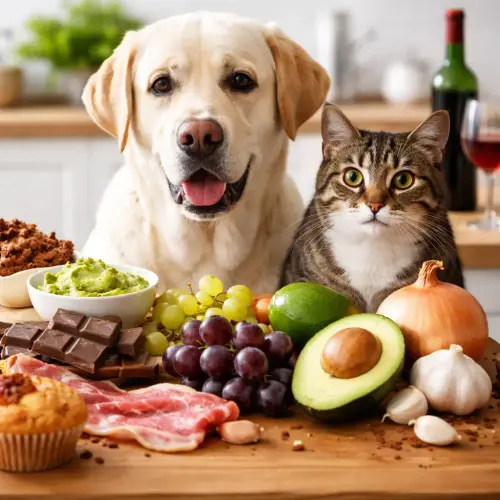
Why Knowing Dangerous Foods for Pets Saves Lives
Pets rely on us to keep them safe, and the kitchen is full of hidden risks. What smells delicious to a dog or cat can contain compounds their bodies simply cannot process. Unlike humans, pets lack specific enzymes needed to break down certain chemicals, making even small amounts of these toxic foods for dogs and dangerous foods for pets potentially lethal. Recognizing the signs of poisoning early — and knowing what not to feed your cat or dog — is the first line of defense. For a related guide, see 8 Warning Signs of Infection in Pets Every Owner Must Know.
Below is a detailed look at eight common offenders. Each entry explains the toxin involved, the symptoms you might see, and a safe alternative so you never have to say no to sharing a treat. For a related guide, see 12 Essential Questions First-Time Pet Owners Ask Vets.
1. Chocolate and Caffeine
Why It’s Dangerous
Chocolate contains theobromine and caffeine, both methylxanthines that dogs and cats metabolize very slowly. Dark chocolate and baking chocolate are the most concentrated, though all forms pose a risk. Even a small square can cause restlessness, vomiting, and dangerously rapid heart rate.
Symptoms of Poisoning
Within hours, your pet may show: vomiting, diarrhea, excessive thirst, panting, hyperactivity, tremors, seizures, or abnormal heart rhythms. In severe cases, it can lead to coma or death.
Safe Alternative
Offer a small piece of plain, cooked chicken breast or a commercial carob‑based treat (make sure it contains no chocolate or xylitol).
2. Grapes and Raisins
Why It’s Dangerous
Grapes and raisins are among the most unpredictable dangerous foods for pets. Even a single grape can trigger acute kidney failure in some dogs, while others seem unaffected. The exact toxin is still unknown, but the risk is not worth taking with any dog or cat.
Symptoms of Poisoning
Vomiting and diarrhea usually occur within 6–12 hours. Later signs include lethargy, loss of appetite, abdominal pain, and decreased urine output — a red flag for kidney damage.
Safe Alternative
Instead of grapes, give your dog a frozen blueberry or a slice of apple (seeds removed). Cats may enjoy a small piece of cooked pumpkin.
3. Onions and Garlic
Why It’s Dangerous
All members of the allium family — onions, garlic, leeks, shallots, chives — contain thiosulfate, which damages red blood cells and can cause hemolytic anemia. Cats are especially sensitive, but dogs are also at risk. The toxin is present whether the food is raw, cooked, dried, or powdered.
Symptoms of Poisoning
Weakness, pale gums, elevated heart rate, lethargy, vomiting, and red‑tinged urine. These signs may appear a few days after ingestion.
Safe Alternative
Season your pet’s meal with a pinch of turmeric or simply serve plain, unseasoned meat. Many pet‑safe broths are available without onion or garlic powder.
4. Xylitol (Artificial Sweetener)
Why It’s Dangerous
Xylitol is a sugar alcohol found in sugar‑free gum, candy, baked goods, peanut butter, toothpaste, and many “diet” products. In dogs, it causes a massive surge in insulin, leading to life‑threatening hypoglycemia within 30–60 minutes. It can also cause liver failure in larger doses.
Symptoms of Poisoning
Vomiting, weakness, staggering, loss of coordination, collapse, and seizures. Blood sugar levels can drop dangerously low.
Safe Alternative
Use unsalted, xylitol‑free peanut butter (check the label carefully) or opt for a dollop of plain yogurt (if your pet is not lactose intolerant).
5. Alcohol and Yeast Dough
Why It’s Dangerous
Alcohol is rapidly absorbed in a pet’s bloodstream and can cause severe central nervous system depression. Raw yeast dough continues to ferment in the stomach, producing ethanol and expanding, which can lead to bloat or alcohol poisoning.
Symptoms of Poisoning
Disorientation, vomiting, slowed breathing, stupor, tremors, and in severe cases, coma or death. With yeast dough, you may also see a swollen, painful abdomen.
Safe Alternative
Offer a small piece of plain cooked pasta or a pet‑safe biscuit. Never give beer, wine, or spirits — even a lap of spilled cocktail can be dangerous.
6. Macadamia Nuts
Why It’s Dangerous
Macadamia nuts are uniquely toxic to dogs. The exact mechanism is unknown, but ingestion can cause a temporary but painful condition called macadamia nut toxicosis. Just a few nuts can trigger symptoms.
Symptoms of Poisoning
Weakness in the hind legs, vomiting, hyperthermia, tremors, and depression. Most dogs recover within 12–48 hours with supportive care, but the experience is distressing.
Safe Alternative
Plain, unsalted almonds or peanuts (check that they are not coated in chocolate or xylitol) are safe in tiny amounts. Better yet, give a baby carrot or a piece of cucumber.
7. Avocado
Why It’s Dangerous
Avocado contains persin, a fungicidal toxin found in the leaves, pit, and flesh. Although persin is most dangerous for birds and small mammals, it can cause vomiting and diarrhea in dogs and cats. The pit also poses a choking hazard and can cause intestinal blockage.
Symptoms of Poisoning
Gastrointestinal upset: vomiting, diarrhea, and abdominal discomfort. If the pit is swallowed, you may see signs of obstruction such as straining, appetite loss, or constipation.
Safe Alternative
Mashed banana or cooked sweet potato are creamy, nutrient‑rich treats that pets love without any toxicity risk.
8. Cooked Bones and Fatty Trimmings
Why It’s Dangerous
Cooked bones — especially poultry bones — become brittle and splinter easily, causing tears in the mouth, throat, or intestines. Fatty trimmings from meat can trigger pancreatitis, a painful inflammation of the pancreas. Both are common dangerous foods for pets that people mistakenly think are safe.
Symptoms of Poisoning
For bone splinters: drooling, pawing at the mouth, gagging, vomiting blood, or straining to defecate. For pancreatitis: vomiting, diarrhea, hunched posture, loss of appetite, and fever.
Safe Alternative
Provide a raw, meaty bone from a trusted butcher (never cooked) or a high‑quality dental chew from your vet. For fatty cravings, offer a slice of lean, boiled turkey or chicken with skin removed.
How to Respond If Your Pet Eats a Toxic Food
If you suspect your pet has ingested a dangerous food for pets, stay calm but act quickly. Remove any remaining food from reach. Do not induce vomiting unless specifically instructed by a veterinarian — some foods (like sharp bones) can cause more damage coming up. Call your vet or a pet poison helpline immediately with details: what they ate, how much, and when. Bring packaging or sample of the food if possible. Time is critical for conditions like xylitol poisoning or chocolate toxicity.
Prevention remains the best medicine. Keep these items stored securely out of reach, and educate every member of the household — including guests — about what not to feed your cat or dog.
Useful Resources
For more detailed information on pet poisoning foods list and emergency protocols, visit the American Veterinary Medical Association’s guide on household hazards at AVMA Household Hazards. The ASPCA Animal Poison Control Center also maintains an up‑to‑date list of toxic plants and foods: ASPCA Poison Control.
Frequently Asked Questions About dangerous foods for pets
What is the single most dangerous food for dogs?
Xylitol (artificial sweetener) and chocolate are often cited as the most dangerous because they can cause rapid, life‑threatening reactions even in tiny amounts. Both require immediate veterinary care.
Can cats eat grapes?
No. Grapes and raisins are toxic to cats as well as dogs. Even a small amount can lead to kidney failure. It is best to avoid them entirely.
Is it safe to feed my dog raw eggs?
Raw eggs carry a risk of salmonella or E. coli infection. Cooked eggs are safe and nutritious in moderation, but raw eggs are not recommended.
How long after eating something toxic will a dog show symptoms?
Symptoms can appear within 30 minutes for items like xylitol, or up to 12–24 hours for foods like grapes or onions. Observe your pet closely and contact your vet at the first sign of illness.
Can a small amount of chocolate kill a dog?
Yes, especially with dark or baking chocolate. The toxic dose depends on body weight and the type of chocolate. Always treat any chocolate ingestion seriously.
What should I do if my cat eats garlic?
Contact your veterinarian immediately. Garlic is more toxic to cats than dogs. Even small amounts can cause red blood cell damage and anemia.
Is peanut butter safe for dogs?
Yes, but only if it is unsalted and contains no xylitol. Always read the ingredient list — many “no sugar added” brands now use xylitol.
What are the symptoms of kidney failure from grapes?
Early signs include vomiting, diarrhea, and lethargy. Later signs include loss of appetite, bad breath, and decreased urination. Kidney failure can be fatal without prompt treatment.
Can dogs have cheese?
Most dogs can tolerate small amounts of cheese, but many are lactose intolerant. Stick to low‑fat, plain varieties like cottage cheese in tiny portions.
What human foods are definitely safe for cats?
Plain cooked chicken, turkey, fish (boneless), cooked eggs, and small amounts of steamed vegetables like pumpkin or green beans are safe. Avoid any seasoning.
Is it true that avocados are toxic to all pets?
No. Avocado is highly toxic to birds and small rodents, but for dogs and cats it usually only causes mild stomach upset. However, the pit is a choking hazard, so it’s best avoided.
How can I tell if my dog has xylitol poisoning?
Look for sudden weakness, staggering, vomiting, or collapse within an hour of eating something containing xylitol. Blood sugar drops rapidly; get to a vet immediately.
Can cats eat dog food in an emergency?
Occasional small amounts of dog food won’t harm a cat, but it lacks taurine, which cats need. Do not make it a regular practice. For a related guide, see 12 Feeding Mistakes Pet Owners Must Avoid.
What fruit is safe for dogs?
Blueberries, strawberries, seedless watermelon, apple slices (no seeds), and bananas are all safe in moderation. Always wash and remove any pits or seeds.
Can a dog recover from eating onions?
Yes, with prompt veterinary care including IV fluids and supportive treatment. But severe cases can lead to anemia requiring a blood transfusion.
Is cooked garlic powder as dangerous as raw garlic?
Yes. The toxic thiosulfate is not destroyed by cooking. Powdered forms are even more concentrated, so they pose a higher risk per gram.
What about salt? Is it toxic to pets?
High salt intake can cause sodium ion poisoning in dogs and cats. Symptoms include vomiting, diarrhea, tremors, and in severe cases, seizures. Avoid salty snacks like chips or pretzels.
Can a dog eat mushrooms from the grocery store?
Plain, cooked white button or cremini mushrooms are safe in tiny amounts. However, wild mushrooms can be extremely toxic — never let your dog eat mushrooms found outdoors.
What is the most common poisoning in cats?
Lilies (plants) are the top cause of fatal poisoning in cats. Among foods, onion and garlic poisoning are most common, followed by chocolate and xylitol.
Is there a pet‑friendly version of chocolate?
Yes, carob is a safe chocolate alternative for pets. Always check the label to ensure no chocolate, xylitol, or caffeine has been added.