


dangerous human foods pets should never eat Key Takeaways
Every year, thousands of pets are rushed to emergency clinics after eating common kitchen ingredients.
- dangerous human foods pets should never eat include chocolate, grapes, onions, and xylitol — all found in everyday pantries.
- Symptoms range from vomiting and diarrhea to seizures and kidney failure; immediate vet care is critical.
- Prevention is simple: keep these foods out of reach, secure trash bins, and train all household members on pet‑safe treats.
Why Knowing the Most Dangerous Foods for Pets Is a Lifesaver
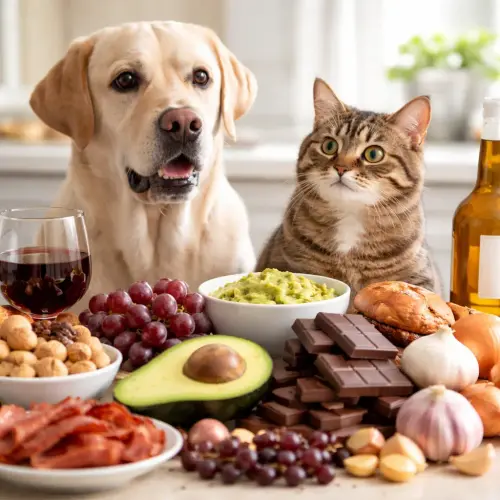
Pets explore the world with their mouths. A dropped grape, a hidden chocolate bar, or a sugar‑free gum wrapper can become a life‑threatening emergency. By learning which dangerous human foods pets should never eat, you gain the confidence to act fast — and often to avoid the crisis altogether. This article is written for dog and cat owners who want clear, evidence‑based information without the scare tactics. For a related guide, see 11 Mistakes New Dog Owners Should Avoid: Proven Guide.
13 Common Human Foods That Are Toxic to Pets
Below are the 13 most frequently reported toxic foods. Each entry explains the toxic compound, typical symptoms, and what to do if your pet ingests it.
1. Chocolate
Chocolate contains theobromine and caffeine, both of which dogs and cats metabolize very slowly. Dark and baking chocolate are the most concentrated. Symptoms include vomiting, diarrhea, rapid breathing, and seizures. Even a small square can cause illness in a small dog.
2. Grapes and Raisins
Grapes and raisins can cause acute kidney failure in dogs. Researchers still don’t know the exact toxin, but the effects are devastating: vomiting, lethargy, and loss of appetite within 24 hours. Unlike chocolate, no safe dose exists — any amount is a danger.
3. Onions and Garlic
Onions, garlic, leeks, and chives damage red blood cells and can lead to anemia. Cats and Japanese dog breeds (like Shiba Inus) are especially sensitive. Cooked or raw, the risk remains. Onion powder in baby food or soups is a hidden source.
4. Xylitol
Xylitol is a sugar alcohol found in sugar‑free gum, candies, baked goods, and toothpaste. It triggers a massive insulin release in dogs, causing hypoglycemia (low blood sugar) within 30 minutes. Symptoms: weakness, stumbling, seizures, and liver failure. Grapes and xylitol are among the most dangerous foods for pets because even tiny amounts can be fatal.
5. Macadamia Nuts
Macadamia nuts cause temporary weakness in the hind legs, vomiting, tremors, and hyperthermia in dogs. Symptoms usually appear within 12 hours and resolve with supportive care, but the combination with chocolate (often in cookies) makes the toxicity worse.
6. Alcohol and Yeast Dough
Alcohol — whether from beer, wine, or spirits — can cause severe intoxication and respiratory depression. Raw yeast dough rises in the stomach, producing ethanol and expanding gas, leading to bloating and potential stomach rupture. Both are emergencies.
7. Avocado
Avocados contain persin, which can cause vomiting and diarrhea in dogs and, in larger amounts, heart muscle damage in birds and rodents. For cats and dogs, the bigger risk is the pit (choking) and the high fat content, which can trigger pancreatitis.
8. Caffeine
Coffee, tea, energy drinks, and even coffee grounds are dangerous. Caffeine overstimulates the nervous system, causing restlessness, rapid heart rate, and seizures. A few sips of coffee can make a small dog dangerously hyperactive.
9. Salt and Salty Snacks
Excessive salt can cause sodium ion poisoning in pets. Symptoms include increased thirst, vomiting, diarrhea, tremors, and seizures. Potato chips, pretzels, and salted popcorn should never be shared. For a related guide, see 12 Summer Health Risks for Pets Every Owner Must Avoid.
10. Cooked Bones
Cooked bones (from chicken, steak, or pork) splinter easily and can perforate the digestive tract. They also cause choking and constipation. If you want to give your dog a bone, choose raw, large, uncooked bones under supervision — but many vets recommend safer chew toys.
11. Dairy Products
Many adult dogs and cats are lactose intolerant. Milk, cheese, and ice cream can cause digestive upset, gas, and diarrhea. Small amounts of plain yogurt or hard cheese are sometimes tolerated, but they are not essential treats.
12. Raw Meat, Eggs, and Fish
Raw meat and eggs may contain Salmonella, E. coli, or other bacteria that cause vomiting and diarrhea. Raw fish can also contain an enzyme that destroys thiamine (vitamin B1), leading to neurological issues. Cooking destroys these risks.
13. Fatty Trimmings and Fried Foods
Bacon grease, butter, fried chicken skin, and other high‑fat foods can cause pancreatitis, a painful and dangerous inflammation of the pancreas. Signs include vomiting, abdominal pain, and refusal to eat. Obesity is also a long‑term concern.
Recognizing the Signs That Your Pet Has Eaten Something Dangerous
Symptoms vary by toxin, but some universal warning signs include sudden vomiting or diarrhea, excessive drooling, lethargy, stumbling, pale gums, and seizures. If your pet shows any of these after eating a dangerous human food they should never eat, move quickly.
When to Call Your Veterinarian Immediately
Do not wait for symptoms to develop. If you witness your pet eating chocolate, grapes, xylitol gum, or any of the items listed above, contact your vet or an emergency animal hospital right away. Inducing vomiting at home is not always safe — hydrogen peroxide is sometimes recommended but only under veterinary guidance.
How to Prevent Accidental Poisoning at Home
Prevention is the best medicine. Store all human foods in sealed containers or behind closed cabinets. Remind guests not to feed treats from the table. Secure trash cans with locking lids. And educate every family member, including children, about which human foods pets should never eat.
Build a Pet‑Safe Kitchen
Keep a list of emergency numbers on your fridge: your vet, the nearest 24‑hour emergency clinic, and the Pet Poison Helpline (855‑764‑7661). Consider designating a “pet‑safe treat drawer” with approved items like plain cooked chicken, baby carrots, or apple slices (no seeds).
| Food | Toxic Compound | Main Risk | Action if Eaten |
|---|---|---|---|
| Chocolate | Theobromine | Seizures, heart failure | Call vet immediately |
| Grapes and Raisins | Unknown | Kidney failure | Call vet immediately |
| Xylitol | Xylitol | Low blood sugar, liver failure | Call vet immediately |
| Onions and Garlic | N‑propyl disulfide | Anemia | Call vet if large amount |
| Macadamia nuts | Unknown | Weakness, tremors | Monitor, call vet if severe |
Useful Resources
For detailed toxicity information and dosing guidelines, visit Pet Poison Helpline’s poison list. The ASPCA Animal Poison Control Center also offers a 24‑hour hotline (888‑426‑4435) and an extensive database of toxic and non‑toxic plants and foods.
Remember, the best way to protect your pet is to prevent access to any dangerous human foods pets should never eat. Keep these 13 items out of reach, stay calm in an emergency, and always call your vet first. Your quick action can mean the difference between a scary moment and a tragedy.
Frequently Asked Questions About dangerous human foods pets should never eat
What should I do if my dog eats chocolate?
Call your veterinarian or the Pet Poison Helpline immediately. The amount and type of chocolate matter, but it is always safer to get expert advice. Do not induce vomiting unless a vet tells you to.
Can a single grape kill a dog?
Yes. Some dogs react to even one grape with acute kidney failure. The toxin is not dose‑dependent in all dogs, so any ingestion requires immediate veterinary attention.
Is garlic safe for dogs in small amounts?
No. Garlic is about five times more toxic than onions for dogs and cats. Even small amounts can damage red blood cells over time. Avoid it entirely.
How long after eating a toxic food will symptoms appear?
It depends on the toxin. Xylitol can cause symptoms in 30 minutes, while grapes may take 12–24 hours. Onion toxicity can build over several days. Monitor your pet closely for at least 24 hours.
Can cats eat the same dangerous foods as dogs?
Cats are more sensitive to many toxins, especially onions, garlic, and lilies (not covered here). Never assume a food is safe for cats just because it is safe for dogs.
Is xylitol in peanut butter dangerous?
Some natural peanut butters now use xylitol as a sweetener. Always check the label. If xylitol is listed, never give it to your dog. Stick to plain peanut butter with no sugar or artificial sweeteners.
Are cooked bones safe for dogs?
No. Cooked bones splinter easily and can cause choking, blockages, or perforations. Raw bones are less risky but still require supervision. Many vets recommend dental chews instead.
What if my pet eats raw meat?
Raw meat can carry Salmonella and E. coli. Watch for vomiting, diarrhea, and fever. Contact your vet if symptoms appear. Cooking meat eliminates the bacterial risk.
Can milk give my dog diarrhea?
Yes. Most adult dogs are lactose intolerant. Milk can cause loose stools, gas, and stomach upset. If you want to give a dairy treat, choose plain yogurt (low‑lactose) in very small amounts.
How much salt is too much for a dog?
A few chips are usually fine, but a whole bag or play dough made with salt can cause sodium poisoning. Symptoms include vomiting, diarrhea, tremors, and seizures. Provide fresh water and call your vet.
Are macadamia nuts deadly?
They are rarely fatal, but they are highly toxic. Most dogs recover with supportive care. However, if macadamia nuts are combined with chocolate (as in cookies), the risk is more severe.
Is it safe to share avocado with my dog?
The flesh contains pit and skin hazards. The pit is a choking risk, and the high fat content can cause pancreatitis. It is better to avoid avocado altogether and choose safer fruits like apple slices (no seeds).
What about caffeine in tea or coffee?
Caffeine is dangerous for pets. A few licks of coffee can cause restlessness and rapid heartbeat. Coffee grounds and tea bags are even more concentrated. Keep all caffeinated products out of reach.
Can yeast dough really expand in a dog’s stomach?
Yes. Unbaked yeast dough rises in the warm, moist stomach, producing gas that can bloat the stomach and cause it to twist — a life‑threatening emergency. It also produces ethanol, leading to intoxication.
How do I prevent my cat from eating dangerous foods?
Cats are more selective than dogs, but they still investigate. Keep all human food away from counters and tables. Use sealed containers and never leave food unattended. Train family members not to feed table scraps.
Are there safe human foods I can give as treats?
Yes. Small amounts of plain cooked chicken or turkey, baby carrots, green beans, apple slices (no seeds), and plain white rice are generally safe for dogs. For cats, small pieces of cooked meat or commercial treats are best.
Should I keep an emergency kit for pet poisoning?
A basic kit can include a contact list (vet, emergency clinic, poison helpline), a bottle of hydrogen peroxide (use only under vet instruction), and a muzzle in case your pet panics. Most vets prefer you call before acting.
What if my pet eats a food not on this list?
Call the Pet Poison Helpline or your vet. They maintain extensive databases and can advise you based on the ingredient and amount eaten. It’s always better to err on the side of caution.
Can I induce vomiting at home?
Only if a veterinarian instructs you to. Hydrogen peroxide (3%) at a dose of 1 ml per pound of body weight can be used, but it is not always effective or safe. Never use salt, ipecac, or other home remedies.
Are these dangerous foods also toxic to birds, rabbits, or hamsters?
Many of these foods are even more dangerous for smaller pets. Avocado, chocolate, and caffeine are especially toxic to birds. Always consult an exotic vet for specific advice about small mammals and birds.