



dog grooming tips Key Takeaways
Regular grooming goes far beyond keeping your dog looking good—it’s a cornerstone of their health, comfort, and happiness.
- Master the basics of dog grooming tips like brushing, nail trimming, and ear cleaning to prevent common health problems.
- Understand coat-specific needs: double coats, wiry coats, and smooth coats all require different tools and techniques.
- Create a calm grooming environment with positive reinforcement, making sessions something your pup looks forward to.
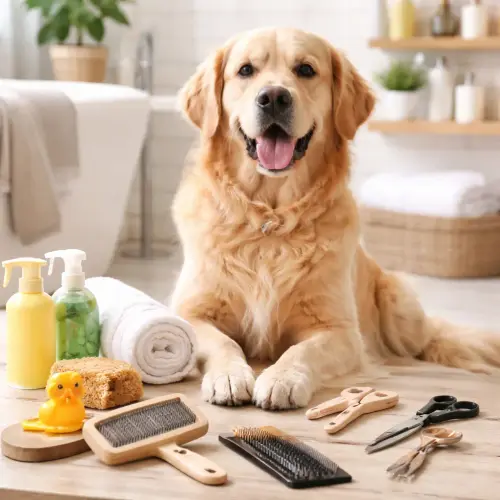
Why Every Owner Needs Dog Grooming Tips
Grooming isn’t just about aesthetics—it’s preventive healthcare. Regular grooming sessions let you check for lumps, ticks, skin irritations, and early signs of infection. When you follow proven dog grooming tips, you also reduce shedding, prevent painful mats, and strengthen the bond with your pet. Whether you have a fluffy Samoyed or a short-haired Beagle, the principles remain the same: consistency, gentle handling, and the right tools.
Many owners feel intimidated by grooming, especially nail trimming or ear cleaning. But with a step-by-step approach and a little patience, you can handle most tasks at home. This guide covers 12 essential tips that simplify the process, save you money, and keep your dog comfortable. For a related guide, see 10 Essential Pet Care Tips Every Owner Must Know for a.
Brushing Basics: The Foundation of Essential Dog Grooming for Owners
Brushing is the most frequent grooming task you’ll do. It removes dirt, distributes natural oils, and prevents tangles. The frequency and tool depend entirely on your dog’s coat type.
1. Choose the Right Brush for Their Coat
Using the wrong brush can irritate skin or be ineffective. For short-haired breeds like Boxers, a rubber curry brush or hound glove works well. For long-haired dogs like Shih Tzus, a slicker brush followed by a metal comb prevents mats. Double-coated breeds like Huskies need an undercoat rake during shedding season. Invest in quality tools—they last longer and are gentler on your dog’s skin.
2. Brush in the Direction of Hair Growth
Brushing against the grain can tug painfully. Always start at the head and work your way back, brushing in the natural direction of the fur. Pay extra attention to areas prone to matting: behind the ears, under the collar, and inside the back legs. If you hit a tangle, hold the fur near the skin to avoid pulling and gently work it out with a detangling spray or a wide-tooth comb.
3. Make Brushing a Positive Ritual
Turn grooming into bonding time. Use a calm voice, offer treats, and keep sessions short—five to ten minutes daily is better than an hour once a month. Puppies especially benefit from early, positive exposure to brushing. This builds trust and prevents fear later in life.
Bathing Best Practices for a Healthy Skin and Coat
Bathing too often strips natural oils; bathing too rarely leaves dirt and allergens on the coat. Most dogs need a bath every four to eight weeks, but this varies by breed, activity level, and skin condition.
4. Use Dog-Specific Shampoo
Human shampoo disrupts a dog’s pH balance, causing dryness and irritation. Choose a gentle, hypoallergenic dog shampoo, ideally without artificial fragrances or dyes. For dogs with sensitive skin, oatmeal-based formulas are soothing. Always rinse thoroughly—soap residue can cause itching and flaking.
5. Prepare the Bathing Area
Before you start, brush your dog to remove loose fur and mats (wet mats tighten). Use lukewarm water—test it on your wrist. Place a non-slip mat in the tub to keep your dog steady. Keep towels, shampoo, and a cup for rinsing within arm’s reach. A calm, prepared environment makes the process faster and less stressful.
6. Dry Properly to Avoid Skin Issues
Moisture trapped under the coat can lead to hot spots or fungal infections. After a bath, towel-dry thoroughly, then use a blow dryer on a low, cool setting if your dog tolerates it. For double-coated breeds, ensure the undercoat is completely dry. If using a crate dryer, supervise at all times. Never rub vigorously with a towel—pat dry to minimize tangling.
Nail, Ear, and Dental Care: Beyond the Coat
Complete dog grooming tips cover more than fur. Nails, ears, and teeth are common areas where neglect leads to pain and costly vet visits.
7. Trim Nails Gradually and Safely
Overgrown nails can splay the foot, cause discomfort, and even lead to joint issues. Trim every three to four weeks, only the tip that curves down. Use sharp, guillotine-style or scissor-style clippers designed for dogs. If your dog has dark nails, trim tiny bits at a time to avoid the quick. Have styptic powder on hand for accidents.
8. Clean Ears Weekly
Check ears for redness, wax buildup, or a foul odor, which could indicate an infection. Use a vet-recommended ear cleaner and a cotton ball—never a cotton swab, which can push debris deeper. Gently wipe the visible part of the ear canal. Dogs with floppy ears (like Cocker Spaniels) need more frequent checks because airflow is reduced.
9. Brush Teeth Daily for Fresh Breath and Health
Dental disease affects most dogs by age three. Use a dog-specific toothbrush and enzymatic toothpaste (never human toothpaste, which contains xylitol). Start slowly: let your dog taste the toothpaste, then gently lift the lip and rub the teeth. Aim for daily brushing, but three times a week is a good minimum. Dental chews and water additives are helpful supplements, not replacements.
Advanced Tips for a Stress-Free Grooming Routine
These extra dog grooming tips will elevate your skills and make sessions smoother for both of you.
10. Desensitize Your Dog to Handling
Many dogs resist having their paws, ears, or mouth touched. Spend a few minutes each day handling these areas while giving treats. When you finally clip nails or clean ears, your dog will be more relaxed. This is especially important for rescue dogs or those with past trauma.
11. Know When to Visit a Professional
Some tasks are best left to pros. Dogs with severely matted coats, anxious temperaments, or complex haircuts (like Poodle patterns) benefit from a certified groomer. Professional dog grooming tips also include advice on skin conditions you might miss. Build a relationship with a groomer you trust for occasional deep grooming or special needs.
12. Keep a Grooming Log
Track when you brushed, bathed, trimmed nails, and cleaned ears. This helps you stay consistent and notice changes in your dog’s skin, coat, or behavior. Note any lumps, bald spots, or changes in nail growth. A simple notebook or phone app works. Sharing this log with your vet provides valuable health insights.
Useful Resources
For more detailed coat care and breed-specific guidance, explore these expert sources:
- American Kennel Club: Dog Grooming Advice — Comprehensive guides on brushing, bathing, and breed-specific care from the leading canine organization.
- VCA Animal Hospitals: Grooming Your Dog — Veterinary-reviewed advice on safe grooming practices, including nail trimming and ear cleaning.
Grooming is one of the most caring things you can do for your dog. These dog grooming tips give you a solid foundation, but every dog is unique. If you ever feel unsure—especially with nail trimming or handling a matted coat—don’t hesitate to ask a professional groomer for guidance. Your pup’s comfort and health are worth it.
Frequently Asked Questions About dog grooming tips
How often should I brush my dog?
Daily brushing is ideal for most dogs, especially long-haired breeds. Short-haired breeds can be brushed two to three times a week. Regular brushing removes loose fur, prevents mats, and distributes natural oils.
What is the best brush for a double-coated dog?
An undercoat rake or a slicker brush works well for double coats like Huskies and German Shepherds. Use the rake to remove loose undercoat hair, especially during heavy shedding seasons, and finish with a bristle brush to smooth the topcoat.
Can I use human shampoo on my dog?
No. Human shampoo is formulated for human skin’s pH, which is more acidic. Using it on dogs can strip their coat of natural oils, cause dryness, and lead to irritation. Always use a dog-specific shampoo.
How do I cut my dog’s nails without hitting the quick?
Trim only the curved tip that hangs past the paw. For dogs with clear or light nails, you can see the pink quick inside. For dark nails, trim tiny slivers at a time and stop as soon as you see a black dot in the center of the cut surface.
My dog hates nail trimming. What should I do?
Start by desensitizing: touch your dog’s paws daily while giving treats. Use a nail grinder instead of clippers if noise bothers them. Trim one nail a day at first, and always reward calm behavior.
How often should I bathe my dog?
Most dogs need a bath every four to eight weeks. Dogs with oily coats (like Basset Hounds) may need more frequent baths, while double-coated breeds can go longer. Over-bathing strips natural oils.
Do all dogs need ear cleaning?
Most dogs benefit from weekly ear checks and cleaning. Breeds with floppy ears (Cocker Spaniels, Labradors) are prone to infections and need more frequent cleaning. Use only vet-approved ear cleaners.
How can I prevent matting in long-haired dogs?
Daily brushing with a slicker brush and metal comb is essential. Pay close attention to high-friction areas like behind ears, under legs, and around the collar. Regular professional grooming every 4–6 weeks also helps. For a related guide, see 10 Common Pet Care Myths Debunked: Expert Truths Every Owner.
What grooming tools are essential for a beginner?
Start with a slicker brush, a metal comb, nail clippers (or a grinder), dog shampoo, ear cleaning solution, cotton balls, and a toothbrush with enzymatic toothpaste. Quality tools make grooming easier and safer.
Should I shave my double-coated dog in summer?
No. Shaving a double coat interferes with natural insulation and can cause overheating and sunburn. Instead, brush more frequently to remove the undercoat and keep your dog cool.
How do I clean my dog’s teeth if they refuse the brush?
Use a finger toothbrush or a silicone brush that fits over your finger. Enzymatic toothpaste can also be applied with a soft cloth. Dental chews and water additives help, but mechanical brushing is most effective.
What is the best way to dry my dog after a bath?
Pat dry with a towel first, then use a blow dryer on a low, cool setting. Keep the dryer moving to avoid overheating one spot. For double-coated breeds, ensure the undercoat is bone-dry to prevent skin issues.
How can I tell if my dog’s ears are infected?
Signs include redness, swelling, a bad odor, dark discharge, head shaking, or scratching. If you notice any of these, visit your vet before cleaning deeper, as infection can worsen with improper care.
Is professional grooming necessary for all dogs?
Not all dogs need a pro, but breeds that require haircuts (Poodles, Shih Tzus, Bichons) need professional grooming every 4–6 weeks. Professional groomers also handle difficult tasks like dematting and sanitary trims safely.
How do I introduce my puppy to grooming?
Start with short, positive sessions. Let them sniff the brush, then reward. Lightly brush for a few seconds, then treat. Gradually increase duration. Pair each tool (clippers, dryer) with high-value treats to build positive associations.
What should I do if my dog gets a cut during grooming?
Clean the wound with warm water and apply gentle pressure with a clean cloth to stop bleeding. For minor cuts, use pet-safe antiseptic. If bleeding doesn’t stop or the cut is deep, contact your vet immediately.
How often should I replace grooming tools?
Slicker brushes last years if kept clean, but replace when bristles bend or break. Nail clippers should stay sharp—replace or sharpen annually. Toothbrushes should be replaced every three months or after illness.
Can grooming help with shedding control?
Yes. Regular brushing removes loose fur before it ends up on your furniture. Use an undercoat rake during heavy shedding seasons to remove dead hair. Bathing also helps loosen and remove shed fur.
What is the best time of day to groom a dog?
Groom after your dog has exercised or eaten—they are calmer. Avoid grooming when your dog is hyper or anxious. A quiet, consistent routine at the same time each session helps your dog relax.
When should I see a vet about a grooming concern?
If you notice persistent scratching, hair loss, lumps, bumps, ear discharge, or bad breath, consult your vet. These may signal allergies, infections, or other health issues that require medical treatment.