



emergency vet visits dogs Key Takeaways
Knowing the most common emergency vet visits dogs face can help you act quickly when every second counts.
- Trauma, like being hit by a car or bite wounds, is the top reason for emergency vet visits dogs experience.
- Sudden vomiting or diarrhea can deplete fluids fast and often requires urgent care.
- Difficulty breathing or collapsing always warrants an immediate trip to the closest emergency clinic.
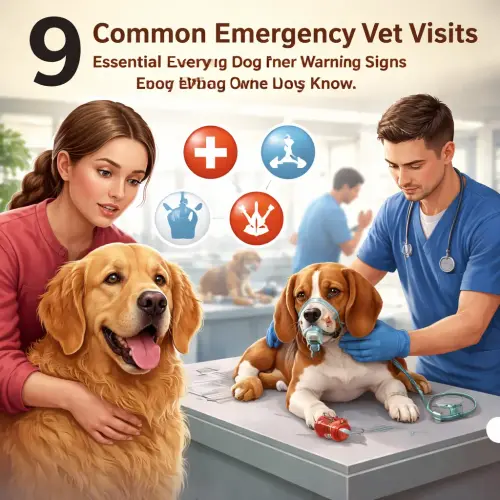
Recognizing When Your Dog Needs an Emergency Vet Visit
It can be tough to decide whether your dog’s symptoms are a true emergency or just a minor issue. Emergency vet visits dogs require are often triggered by sudden changes in behavior, appetite, or mobility. If your dog is in obvious pain, unable to stand, or has been injured, trust your instincts—it is always safer to have a veterinarian evaluate them. Below are nine of the most common reasons pet owners rush to the emergency room. For a related guide, see 10 Essential Storm Safety Tips Every Pet Owner Must Know.
1. Trauma and Accidents
Blunt force trauma, such as being hit by a car, falling from a height, or getting into a fight with another animal, is among the leading causes of emergency vet visits dogs need. Even if your dog looks okay after an accident, internal injuries can be life-threatening. Look for limping, swelling, bleeding, or reluctance to move. Always transport an injured dog on a flat surface (like a sturdy board) if a spinal injury is possible.
2. Severe Vomiting or Diarrhea
While an upset stomach happens now and then, persistent vomiting or diarrhea leads to dehydration and electrolyte imbalances. Common reasons dogs need emergency vet care include repeated vomiting, bloody stool, or the inability to keep down water. If your dog is also lethargic or has a painful belly, do not wait—head to the vet.
3. Difficulty Breathing
Labored breathing, choking, or a blue tint to the gums are clear signs of respiratory distress. Emergency vet visits dogs with breathing problems can be caused by allergies, heart disease, or a foreign object lodged in the airway. Any struggle to breathe is an immediate red flag.
4. Poisoning or Ingestion of Toxins
Dogs explore with their mouths, and accidental ingestion of chocolate, grapes, xylitol, rat poison, or medications happens often. Symptoms include drooling, seizures, or uncoordinated movements. Emergency vet visits dogs for poisoning need to happen within minutes for the best outcome. Call your vet or a pet poison helpline on the way. For a related guide, see 8 Warning Signs of Heatstroke in Pets Every Owner Must Know.
5. Bloat (Gastric Dilatation-Volvulus)
Bloat is a life-threatening condition where the stomach fills with gas and twists on itself. Deep-chested breeds like Great Danes and German Shepherds are especially at risk. Watch for a swollen, hard belly, unproductive retching, and restlessness. This is a true emergency—every minute matters.
6. Seizures
A single seizure that lasts more than two to three minutes, or multiple seizures in a short period, requires immediate veterinary attention. Emergency vet visits dogs for seizures help rule out toxins, epilepsy, or brain issues. Keep your dog safe during the seizure by moving objects away, but never put your hand near their mouth.
7. Urinary Obstruction
If your dog strains to urinate, produces little or no urine, or cries out while trying, they may have a urinary blockage—especially common in male dogs. This is one of the painful reasons dogs need emergency vet intervention because a blocked bladder can cause kidney failure within 24 to 48 hours.
8. Eye Injuries or Sudden Blindness
Scratched corneas, bulging eyes, or sudden vision loss can be extremely painful. If your dog is squinting, pawing at the eye, or the eye looks cloudy or red, it should be seen right away. Emergency vet visits dogs with eye problems often prevent vision loss if treated quickly.
9. Heatstroke
Overheating occurs when dogs are left in hot cars, exercised in high temperatures, or have limited access to shade and water. Symptoms include heavy panting, drooling, weakness, and collapse. Cooling your dog with cool (not icy) water and heading to the vet is critical.
When to Call the Vet Immediately
Some signs are impossible to ignore. If your dog is unconscious, bleeding heavily, has pale gums, or is in severe pain, do not wait. It is always better to err on the side of caution. Many reasons dogs need emergency vet care are time-sensitive, so keep the number of your closest 24-hour veterinary hospital saved in your phone.
Quick Checklist for Dog Owners
- Keep a pet first-aid kit and the number of a 24-hour emergency clinic handy.
- Learn the warning signs of bloat, poisoning, and heatstroke.
- Never give human medications without your vet’s approval.
- If in doubt, call the vet—they can help you decide if it’s an emergency.
Useful Resources
For more information on pet emergencies, visit the VCA Animal Hospitals emergency care guide.
Learn about common pet toxins at the Pet Poison Helpline website.
Frequently Asked Questions About emergency vet visits dogs
What is the most common reason for emergency vet visits dogs experience?
Trauma, such as being hit by a car or bite wounds from fights, is the most frequent cause of emergency vet visits dogs need.
How do I know if my dog’s vomiting is an emergency?
If your dog vomits more than twice, has blood in the vomit, cannot keep water down, or shows signs of lethargy, it’s time for an emergency vet visit dogs rely on for rehydration and medication.
Can a dog survive poisoning without treatment?
Some toxins are rapidly fatal. Many emergency vet visits dogs make for poisoning require immediate intervention to prevent organ damage or death.
What are the first signs of bloat in dogs?
Unproductive retching, a swollen abdomen, and restlessness are classic signs. Bloat is one of the most time-sensitive reasons dogs need emergency vet care.
How long can a dog go without urinating before it’s an emergency?
If your dog hasn’t urinated in more than 12 hours or is straining without success, it is one of the urgent reasons dogs need emergency vet evaluation for a potential blockage.
What should I do if my dog has a seizure?
Move objects away, time the seizure, and do not put your hands near the mouth. If it lasts over two minutes, call the vet. Many emergency vet visits dogs have for seizures are to rule out underlying causes.
Is heatstroke a common reason for emergency vet visits dogs?
Yes, especially in the summer months. Heatstroke can cause organ failure quickly, so it is one of the most critical reasons dogs need emergency vet attention.
Can a small cut on my dog’s paw wait until morning?
If the cut is superficial and not bleeding heavily, it can often wait. However, deep wounds, bleeding that won’t stop, or limping are valid reasons dogs need emergency vet treatment.
What are the signs of an allergic reaction in dogs?
Facial swelling, hives, and difficulty breathing are signs. Some emergency vet visits dogs have for allergic reactions require epinephrine or steroids.
How do I safely transport an injured dog to the vet?
Use a sturdy board or blanket as a stretcher, keep the spine as immobile as possible, and move slowly. Many emergency vet visits dogs need after accidents involve spinal precautions.
Can dogs have heart attacks like humans?
Yes, though less common. Signs include collapse, blue gums, and labored breathing. This is a top reason for emergency vet visits dogs with heart conditions should receive immediately.
What is a pet-specific symptom that means “go to emergency vet now”?
Difficulty breathing and pale or blue gums are universally recognized as urgent signs. They are among the strongest reasons dogs need emergency vet evaluation.
Should I induce vomiting if my dog ate something toxic?
Only do so if instructed by a veterinarian or a poison helpline. Some toxins cause more damage when vomited. Always call before acting. Emergency vet visits dogs have for poisonings are more successful with early professional guidance.
How can I prevent bloat in my dog?
Feed multiple small meals, slow down eating speed, and avoid exercise right after meals. Bloat remains one of the most preventable yet serious reasons dogs need emergency vet care.
Can stress cause emergency symptoms in dogs?
Extreme stress can lead to diarrhea, vomiting, or even collapse. While not as common as trauma, it is a valid reason for emergency vet visits dogs may require.
What should I have in a dog first-aid kit?
Include sterile gauze, bandage tape, hydrogen peroxide (use only on vet advice), a digital thermometer, and your vet’s number. A well-stocked kit can stabilize your dog before an emergency vet visit dogs need.
Do I need a regular vet or an emergency vet for these symptoms?
For any of the nine conditions listed, you should go directly to a 24-hour emergency clinic. They are equipped for immediate critical care. Many common reasons dogs need emergency vet visits cannot wait for a regular appointment.
How much does an emergency vet visit cost?
Costs vary widely, but expect a range of $100 to $300 for the exam alone, plus treatment. Pet insurance can help offset these expenses, especially for frequent emergency vet visits dogs may need over their lifetime.
What are the signs that my dog is in pain?
Whining, shaking, hiding, and not wanting to be touched are common. Pain is one of the top reasons dogs need emergency vet visits for assessment and pain control.
Is it safe to give my dog over-the-counter pain medicine?
No. Ibuprofen and acetaminophen are toxic to dogs. Never medicate without a vet’s direction. Doing so is one of the most dangerous reasons dogs need emergency vet visits after accidental poisoning.