



first aid tips for pet owners Key Takeaways
Knowing basic first aid tips for pet owners can mean the difference between a quick recovery and a trip to the emergency vet.
- Master the first aid tips for pet owners that save lives, including how to stop bleeding and perform the Heimlich maneuver on pets.
- Learn when to rush to the vet and when home care is safe, with specific warning signs for each emergency.
- Discover essential items every pet first aid kit should contain, so you’re never caught off guard.
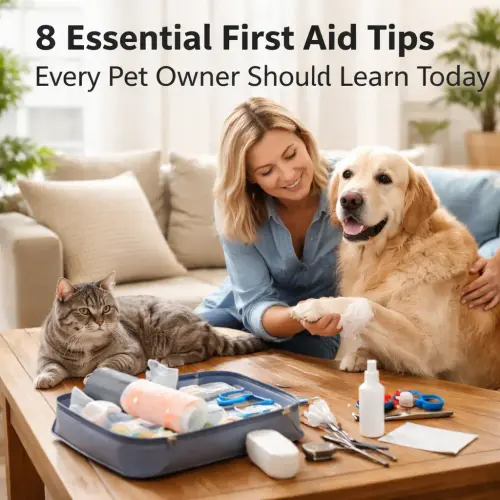
Why First Aid Tips for Pet Owners Are a Lifesaving Skill
Emergencies happen when you least expect them. A curious puppy swallows a toy, a cat gets into a fight, or a dog eats something toxic on a walk. In those first few minutes, what you do — or don’t do — can have a huge impact on your pet’s outcome. That’s why learning first aid tips for pet owners isn’t just a nice idea; it’s a responsibility every pet parent should take seriously. For a related guide, see 10 Essential Pet Care Tips Every First-Time Fur Parent Should.
Veterinary medicine is advanced, but it takes time to get to a clinic. With basic emergency pet care knowledge, you can stabilize your furry friend, reduce pain, and prevent injuries from getting worse. This article walks you through eight critical tips that cover the most common pet emergencies. For a related guide, see 12 Common Pet Diseases in the Philippines Every Owner Should Know.
Tip 1: Stay Calm and Assess the Situation
The first and most important first aid for pets rule is simple: stay calm. Pets pick up on your emotions. If you panic, they panic, which can worsen injuries and make them harder to handle.
How to Stay in Control
- Take a deep breath before approaching your pet.
- Speak in a low, soothing voice to reassure them.
- Check the environment for hazards — traffic, broken glass, or other animals.
- Use a muzzle (even gentle pets may bite when in pain) or wrap a soft cloth around their snout if needed.
Pro tip: Keep a muzzle in your pet first aid kit. It prevents bites and keeps you safe while you help your pet.
Tip 2: Control Bleeding Safely
Cuts and scrapes happen often, but deep wounds need immediate attention. Knowing how to control bleeding is one of the most vital pet first aid tips you can learn.
Step-by-Step Bleeding Control
- Put on gloves if available, to avoid infection.
- Apply direct pressure using a clean gauze pad or cloth. Do not lift the pad to check — keep pressing.
- If blood soaks through, place another pad on top without removing the first one.
- Wrap the wound firmly with elastic bandage or vet wrap, but not so tight it cuts off circulation.
- Elevate the injured limb if possible.
Warning: If bleeding doesn’t slow after 10 minutes of pressure, or if the wound is on the chest or abdomen, go to a vet immediately.
Tip 3: Handle Choking with the Pet Heimlich
Choking is a terrifying emergency, but you can help if you act quickly. The technique is similar to the human Heimlich but adapted for pets.
How to Perform the Pet Heimlich
For medium and large dogs:
- Stand behind your dog and wrap your arms around their belly.
- Make a fist with one hand, place it just below the ribcage.
- Give 5 quick, firm thrusts inward and upward.
For small dogs and cats:
- Place them on their back on a firm surface.
- Place the heel of your hand just below the ribcage.
- Give 5 quick compressions, pushing inward and toward the head.
After each set, check the mouth and remove the object if you see it — but be careful not to push it further.
Caution: Do not perform the Heimlich if your pet is coughing forcefully. Coughing means air is moving — let them try to clear the object on their own.
Tip 4: Recognize and Treat Heatstroke
Heatstroke can kill a pet in minutes. Brachycephalic breeds (like Bulldogs, Pugs, and Persian cats) are especially at risk. Learning this first aid for pets tip could save your pet’s life on a hot day.
Signs of Heatstroke
- Excessive panting or drooling
- Bright red gums or tongue
- Vomiting or diarrhea
- Weakness, collapse, or seizures
What to Do Immediately
- Move your pet to a shaded or air-conditioned area.
- Pour cool (not cold) water over their body — especially the head, neck, and paws.
- Offer small amounts of water to drink, but don’t force it.
- Place a fan near them to help cool down.
- Get to a vet as soon as possible, even if they seem better.
Important: Never use ice-cold water — it constricts blood vessels and can make things worse.
Tip 5: Respond to Poisoning Fast
Pets eat things they shouldn’t. From chocolate and xylitol to lilies and antifreeze, poisoning is a common emergency pet care situation that requires immediate action.
First Steps for Suspected Poisoning
- Stay calm and remove your pet from the source.
- Call your veterinarian, an emergency clinic, or the ASPCA Animal Poison Control Center at (888) 426-4435 (a consultation fee may apply).
- Do NOT induce vomiting unless a professional tells you to. Some substances cause more damage on the way back up.
- Collect a sample of the substance, label, or vomit if possible, and bring it to the vet.
Key items to have in your kit: A bottle of hydrogen peroxide (3%) is often used to induce vomiting, but only under vet guidance.
Tip 6: Stabilize Fractures and Sprains
A car accident, a fall, or a simple misstep can break a bone. Knowing how to stabilize a fracture before moving your pet is a crucial pet first aid tip.
What to Do If You Suspect a Fracture
- Muzzle your pet first — fractures are incredibly painful and even the nicest pet may bite.
- Do not try to straighten the bone; keep it in the position you found it.
- Immobilize the limb with a padded splint: use a rolled magazine, a stick, or a firm piece of cardboard wrapped with gauze.
- Transport carefully — lift your pet onto a flat board or blanket, and keep them still on the way to the vet.
For a suspected spinal injury, do not move your pet at all. Call a vet for guidance and use a rigid board to transport them if necessary.
Tip 7: Manage Seizures Without Panic
Seizures can be scary, but you can help your pet stay safe. This emergency pet care tip focuses on safety and observation.
During a Seizure
- Stay away from their mouth — they cannot swallow their tongue, and you risk being bitten.
- Remove nearby objects like furniture edges that could injure them.
- Time the seizure. Most last 1–3 minutes.
- Do not put anything in their mouth.
After the Seizure
- Keep them calm and in a quiet, dimly lit room.
- Check their body temperature — seizures often cause fever.
- Contact your vet — especially if the seizure lasts longer than 5 minutes, or if they have multiple seizures in a row.
First seizure? Always see a vet. Recurring seizures may indicate epilepsy, which can be managed with medication.
Tip 8: Treat Burns and Wounds at Home (When Safe)
Minor burns from hot surfaces, chemicals, or chewing electrical cords are common. Knowing basic first aid for pets for burns can reduce pain and prevent infection.
For Thermal Burns
- Cool the area with cold running water for 10–15 minutes.
- Do not apply butter, oil, or ice — these can damage tissue further.
- Cover loosely with a clean, non-stick dressing.
- Seek veterinary care for burns larger than a coin, or if they blister.
For Chemical Burns
- Flush the area with large amounts of lukewarm water for 20 minutes.
- Wear gloves to protect yourself.
- Do not use any neutralizing agents unless directed by a vet.
- Go to the vet immediately after rinsing.
Electrical cord burns (often around the mouth) require immediate vet attention — they can cause fluid buildup in the lungs hours later.
When to Call the Vet vs. When Home Care Is Enough
Not every bump requires a costly vet visit. Here’s a quick reference to help you decide:
| Scenario | Home Care OK | Vet Needed Now |
|---|---|---|
| Minor cut that stops bleeding quickly | Yes — clean and bandage | No |
| Deep wound with heavy bleeding | No | Yes — go immediately |
| Mild vomiting (once) | Yes — withhold food for 12 hrs, offer water | No |
| Repeated vomiting or vomiting blood | No | Yes |
| Small splinter or bee sting | Yes — remove and monitor | No |
| Difficulty breathing | No | Yes — emergency |
When in doubt, call your vet. It’s better to be safe than sorry.
Build a Pet First Aid Kit Today
You can’t help your pet if you don’t have the right supplies. A well-stocked emergency pet care kit should include:
- Gauze pads and elastic bandage (vet wrap)
- Medical tape and blunt-tip scissors
- Antiseptic wipes (chlorhexidine-based, not alcohol)
- Hydrogen peroxide (3%) — for inducing vomiting only under vet guidance
- Latex or nitrile gloves
- Sterile saline solution for washing wounds or eyes
- Instant cold pack (without BPA)
- Muzzle or soft cloth for temporary restraint
- Contact numbers: your vet, emergency clinic, and poison control
Keep everything in a waterproof container and store it somewhere easy to grab, not buried in a closet.
Useful Resources
Learn more from trusted veterinary organizations:
Frequently Asked Questions About first aid tips for pet owners
What should I do if my dog stops breathing?
Lay your dog on their right side, extend the head and neck, and check for a heartbeat. If there is none, begin CPR: 30 chest compressions (on the widest part of the chest) followed by 2 rescue breaths into the nose (keep the mouth closed). Continue until help arrives or your pet starts breathing.
Can I use human bandages on my pet?
It’s best to use pet-specific or non-stick gauze pads. Human adhesive bandages can stick to fur and skin, causing pain when removed. Always use vet wrap or elastic bandage for wrapping.
How do I know if a wound is infected?
Signs of infection include redness, swelling, warmth, pus (yellow or green), a foul smell, or your pet licking the area excessively. If you notice any of these, see a vet for antibiotics.
Is it safe to give my pet human pain relievers?
No. Never give your pet human medications like ibuprofen, acetaminophen, or aspirin without a vet’s approval. Many are toxic to pets and can cause kidney failure or liver damage.
What do I do if my cat eats a lily?
Lilies are extremely toxic to cats — even a small amount can cause acute kidney failure. Take your cat to a vet immediately. Do not induce vomiting unless directed. Time is critical; the sooner treatment starts, the better the prognosis.
How do I stop my dog from licking a wound?
Use an Elizabethan collar (cone) or a soft recovery collar. You can also cover the wound with a clean bandage. Avoid using bitter-tasting sprays without vet approval, as some can irritate the wound.
What is the best way to transport an injured pet?
For small pets, use a sturdy carrier with the door removed (lay them flat). For larger dogs, use a flat board, blanket, or a rigid stretcher. Keep the spine as straight as possible, especially if a spinal injury is suspected.
Can I use a tourniquet to stop severe bleeding?
Only as a last resort if direct pressure fails and your pet is bleeding out. Tourniquets can cause permanent damage. Apply it for no longer than 15 minutes and note the time for the vet. In most cases, direct pressure is safer and just as effective.
How do I induce vomiting if my pet ate something toxic?
Only induce vomiting if a veterinarian or poison control tells you to. They may recommend 1 teaspoon of 3% hydrogen peroxide per 10 pounds of body weight (up to 3 tablespoons). Never use salt or other home remedies — they can be deadly.
My dog has a seizure, but stops after 30 seconds. Do I need to go to the vet?
Yes. Any seizure warrants a vet visit, even if it’s short. The vet can determine the cause and decide if medication is needed. Keep a log of seizure length and frequency to share with your vet.
How can I tell if my pet is in shock?
Signs include pale gums, rapid shallow breathing, a weak pulse, cold extremities (ears, paws), and lethargy. Keep your pet warm and calm, and get to a vet immediately. Raise the hindquarters if possible to help blood flow to vital organs.
Is it safe to give my dog ice water on a hot day?
Yes, ice water is safe and can help cool your dog. However, avoid giving very large amounts all at once if they are overheated, as it can cause stomach upset. Offer small sips frequently.
What should I do if my pet is hit by a car?
Approach slowly and calmly. Muzzle your pet if needed. Look for obvious injuries (bleeding, broken bones). If they can stand, carefully lift them onto a board or blanket. If they cannot stand, keep them still and call a vet for guidance on safe transport. Internal injuries are possible even if no blood is visible.
Can I give my cat Benadryl for an allergic reaction?
Benadryl (diphenhydramine) is sometimes used for allergic reactions in cats, but only under veterinary guidance. The correct dosage depends on weight, and some cats have adverse reactions. Always check with a vet first.
How do I clean a wound without hurting my pet?
Use a gentle stream of sterile saline or lukewarm water. Avoid scrubbing. Pat the area clean with a soft gauze pad. If the wound is deep, do not probe it — cover and go to a vet.
My dog swallowed a sock. What should I do?
Do not induce vomiting unless directed. Socks can get stuck in the esophagus or cause a blockage. Watch for vomiting, gagging, or lack of appetite. Call your vet — they may recommend X-rays or endoscopy to remove the object.
What does a pet first aid course cover?
A typical course covers CPR, bleeding control, choking, poisoning, fractures, burns, and how to recognize life-threatening conditions. Some courses include hands-on practice with mannequins. Look for courses offered by the American Red Cross or local veterinary schools.
How often should I update my pet first aid kit?
Check your kit every 3 months. Replace expired items, restock used supplies, and adjust the size of bandages as your pet grows. Also update contact information for your vet and emergency clinic.
Are there any online pet first aid certifications?
Yes. The American Red Cross offers an online Pet First Aid course that covers CPR, emergency preparedness, and first aid techniques. Many veterinary organizations also offer certification online. It’s a great way to learn at your own pace.
What is the most important thing to remember during a pet emergency?
Stay calm. Your pet depends on you to think clearly. Prioritize safety — for yourself and your pet. Then focus on the most critical need: breathing, bleeding, or poisoning. And never hesitate to call your vet for guidance.