


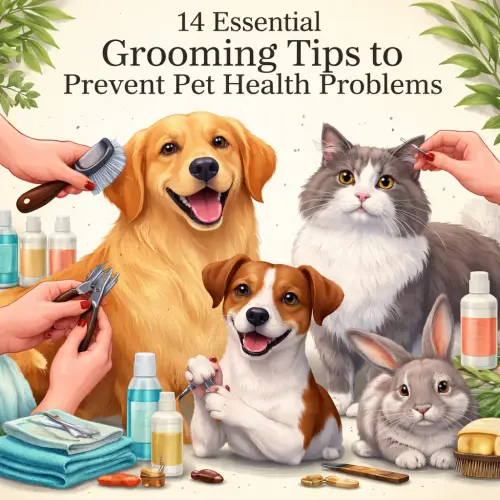
grooming tips to prevent pet health problems Key Takeaways
Regular grooming does far more than keep your pet looking neat—it’s a frontline defense against infections, skin disorders, dental disease, and even serious systemic illnesses.
- These grooming tips to prevent pet health problems emphasize daily brushing, weekly ear checks, and monthly nail trims as core habits.
- Grooming sessions strengthen the human-animal bond and give you a regular opportunity to examine your pet’s body for lumps, parasites, or sensitive spots.
- Many common pet ailments—like ear infections, periodontal disease, and matting-related skin infections—are entirely avoidable with proper grooming.
Why Grooming Tips to Prevent Pet Health Problems Matter for Every Pet Owner
Pet grooming isn’t just about vanity. It’s a vital part of preventive healthcare that can add years to your pet’s life and save you costly veterinary bills. Every brush stroke and nail clip is a chance to assess your animal’s physical condition. With these grooming tips to prevent pet health problems, you’ll be equipped to notice changes early and act before small issues become emergencies. For a related guide, see 7 Essential Questions New Pet Owners Ask (Avoid These.
Below, you’ll find 14 actionable grooming habits that target the most common health concerns in dogs and cats. Each tip includes the “why” behind the practice and simple steps you can implement today. For a related guide, see 10 Essential Activities to Keep Pets Active and Healthy.
Tip 1: Daily Brushing to Remove Loose Fur and Stimulate Skin
Brushing your pet daily does more than reduce shedding—it distributes natural oils across the coat, prevents mats from forming, and improves blood circulation to the skin. For long-haired breeds, daily brushing is non-negotiable to prevent painful tangles that can trap moisture and lead to bacterial skin infections. For a related guide, see 10 Essential Grooming Tips to Keep Pets Clean and Happy.
Practical advice: Use a slicker brush for double-coated breeds and a soft bristle brush for short-haired pets. Start with gentle strokes, especially if your pet isn’t used to brushing, and reward calm behavior with a treat.
How Brushing Prevents Health Problems
When mats form close to the skin, they create a warm, damp environment perfect for yeast and bacteria. Brushing lifts dead hair before it can mat, and the tactile exam helps you spot lumps, fleas, or early signs of dermatitis.
Tip 2: Ear Cleaning to Prevent Chronic Infections
Ear infections are among the most common reasons owners visit the vet. Weekly ear checks and gentle cleaning can prevent 90% of these infections. Dogs with floppy ears (like Cocker Spaniels and Basset Hounds) and cats with narrow ear canals are especially prone.
Practical advice: Use a veterinarian-approved ear-cleaning solution. Pour a small amount onto a cotton ball (not a Q-tip), wipe the visible part of the ear canal, and allow your pet to shake out the excess. Never insert anything deep into the ear.
Tip 3: Regular Nail Trims to Avoid Pain and Joint Issues
Overgrown nails can curl into the paw pad, cause pain, and alter your pet’s gait, leading to long-term joint problems. Long nails also make it harder for cats to retract their claws, increasing the risk of torn nails or infections.
Practical advice: Trim nails every 2–4 weeks. Use a sharp, guillotine-style clipper for dogs and a scissor-style clipper for cats. Only cut the clear tip—avoid the quick (the pink area with blood vessels). If you’re unsure, ask your vet to demonstrate first.
Tip 4: Professional Dental Cleanings and Daily Toothbrushing
Periodontal disease affects nearly 80% of dogs and cats over age three. Bacteria from the mouth can enter the bloodstream and damage the heart, kidneys, and liver. Daily toothbrushing is the single most effective grooming tip to prevent pet health problems related to oral disease.
Practical advice: Use a pet-safe enzymatic toothpaste (never human toothpaste, which contains xylitol). Start with your finger to desensitize the gums, then progress to a soft-bristled pet toothbrush. Aim for 30 seconds per side, brushing the outer surfaces of the teeth.
Tip 5: Coat Trimming and Hygiene Cuts for Long-Haired Breeds
Long hair around the eyes, ears, and rear end can trap debris, cause eye irritation, and lead to fecal matting. Trimming these areas reduces the risk of infection and makes your pet more comfortable.
Practical advice: Invest in blunt-nosed grooming shears. For the eye area, trim only the hair that hangs over the eyes—never cut parallel to the eyeball. For the sanitary area (around the anus and genitals), a careful trim with electric clippers is safest.
Tip 6: Skin Check During Every Grooming Session
Grooming is the perfect time to perform a quick full-body skin check. Most skin issues—hot spots, ringworm, allergic reactions, or lumps—are first noticed during brushing or bathing.
Practical advice: Part the fur in several places (head, back, belly, legs) and look for redness, flaking, bumps, or parasites. Run your hands over your pet’s body; any new lump or bump that persists for more than a week should be examined by a veterinarian.
Tip 7: Bathing to Remove Allergens and Dirt
Regular baths remove pollen, dust, and dander that can trigger allergies in both pets and humans. Bathing also washes away excess oils and loose hair before they can mat or cause skin irritation.
Practical advice: Use a shampoo formulated for your pet’s species (dogs and cats have different pH needs). Bathe dogs every 4–8 weeks; most cats don’t need baths unless they are dirty or have a skin condition. Always rinse thoroughly to avoid residue that can cause itching.
Tip 8: Anal Gland Expression When Needed
Anal glands can become impacted, leading to painful abscesses and a foul smell. Many pets will “scoot” on the floor or lick the area when their glands are full. While some dogs express these glands naturally during defecation, small breeds often need help.
Practical advice: If you see signs of discomfort, ask your vet or a professional groomer to express the glands. Attempting to do it yourself without training can cause injury or worsen impaction.
Tip 9: Paw Care and Pad Inspection
Dry, cracked paw pads can lead to infections, especially in winter when salt and ice are present. Outdoor debris like burrs, foxtails, or glass can become lodged between toes and cause abscesses.
Practical advice: After walks, wipe paws with a damp cloth and inspect each toe. Apply a paw balm in dry or cold weather to keep pads supple. If you see a foreign object that is stuck, soak the paw in warm water and then gently remove it; if deeply embedded, visit the vet.
Tip 10: Eye Discharge Management to Prevent Staining and Infection
Excessive tearing can cause tear staining (common in white-coated breeds like Bichons and Maltese) and create a moist environment ideal for bacterial growth. Regular cleaning prevents the buildup of dried discharge that can damage the skin around the eyes.
Practical advice: Use a damp, soft cloth or a sterile eye wipe specifically made for pets. Wipe from the inner corner outward, using a fresh area of the cloth for each eye. If you notice green or yellow discharge, redness, or squinting, consult your vet immediately.
Tip 11: Brushing Teeth as Part of Grooming Tips to Prevent Pet Health Problems
This is so important it deserves its own expanded tip. While we discussed dental care earlier, the frequency and technique matter enormously. Toothbrushing should be a daily habit—skipping even a few days allows plaque to harden into tartar.
Practical advice: Break the routine into two steps: (1) Let your pet lick toothpaste off the brush for a week, then (2) lift the lip and brush for a few seconds, gradually increasing to 30 seconds per side. Make it positive by giving a treat or playtime afterward.
Tip 12: Checking for Parasites During Grooming
Fleas, ticks, and mites are easy to miss until your pet is scratching constantly. A thorough grooming session lets you catch these pests early, before they transmit diseases like Lyme or tapeworm.
Practical advice: Use a fine-toothed flea comb, especially around the neck, base of the tail, and inner thighs. Look for “flea dirt” (black specks that turn reddish-brown when wet). If you find any sign of parasites, treat with a vet-recommended preventive product promptly.
Tip 13: Seasonal Coat Care and Temperature Regulation
A matted coat cannot insulate properly. In summer, mats trap heat and can cause overheating; in winter, they trap moisture against the skin, leading to hypothermia or snow-melt irritation. Seasonal grooming adjustments are crucial.
Practical advice: For double-coated breeds (Huskies, Golden Retrievers), never shave the coat—it disrupts their natural cooling and warming system. Instead, use a de-shedding tool during heavy shedding seasons (spring and fall) to remove dead undercoat.
Tip 14: Training Your Pet to Accept Grooming
If your pet resists grooming, you’ll be less likely to do it consistently. Training your pet to tolerate—even enjoy—grooming sessions ensures long-term commitment to these grooming tips to prevent pet health problems.
Practical advice: Desensitize your pet by pairing grooming tools with positive experiences. Let your dog sniff the brush and then give a treat. Touch the brush to their fur, treat again. Gradually increase handling time. For cats, use short sessions and stop before they become agitated.
Useful Resources
For more on the link between grooming and disease prevention, visit the American Kennel Club’s guide on grooming health benefits and the American Veterinary Medical Association’s resource on grooming your pet safely.
Frequently Asked Questions About Grooming Tips to Prevent Pet Health Problems
Frequently Asked Questions About grooming tips to prevent pet health problems
How often should I brush my dog?
Short-haired breeds can be brushed once or twice a week, while long-haired and double-coated breeds benefit from daily brushing to prevent mats and distribute oils.
Can I use human shampoo on my dog?
No. Human shampoos have a different pH than dog skin and can strip natural oils, causing dryness and irritation. Always use a shampoo formulated for your pet.
How do I clean my cat’s ears without hurting it?
Use a cotton ball with a vet-approved ear cleaner, wiping only the outer canal. Never insert a Q-tip or any object into the ear canal.
What happens if I don’t trim my pet’s nails?
Overgrown nails can curl into the paw pad, cause pain, alter gait, and lead to joint issues. Long nails also increase the risk of splitting and infection.
How do I know if my pet’s ears are infected?
Signs include redness, swelling, a foul odor, dark discharge, head shaking, ear scratching, or sensitivity when touched. A vet should evaluate suspected infections.
Is professional grooming necessary for all pets?
Not all, but it’s highly recommended for long-haired breeds, pets with skin conditions, or if you’re uncomfortable with nail trims or ear cleaning. Professional groomers also spot issues you might miss.
How can I make grooming less stressful for my pet?
Start slowly, use positive reinforcement (treats and praise), keep sessions short, and choose a calm environment. For extremely anxious pets, consult a behaviorist.
Can grooming prevent dental disease?
Yes. Daily toothbrushing removes plaque before it hardens into tartar, significantly reducing the risk of periodontal disease and its systemic effects.
Do I need to bathe my cat?
Most cats self-groom effectively and rarely need baths. However, bathing may be needed for hairless breeds, overweight cats that can’t groom, or those with skin conditions.
What is the best brush for a double-coated dog?
An undercoat rake or a slicker brush works best. These tools reach the dense undercoat and remove loose fur without damaging the topcoat.
How often should I check my pet’s skin for lumps?
Every grooming session—ideally once a week. Run your hands over your pet’s entire body, feeling for any new lumps, bumps, or areas of heat.
Can over-bathing cause skin problems?
Yes. Bathing too frequently strips natural oils, leading to dry, flaky skin and potential infections. Stick to every 4–8 weeks unless a vet advises otherwise.
What are the signs of impacted anal glands?
Scooting the rear on the floor, licking the anal area, a foul fishy odor, or visible swelling near the anus. A vet should address impacted glands.
Should I use a flea comb even if my pet is on prevention?
Yes. A flea comb can catch adults or eggs that resistance may have allowed through. It’s a quick, non-toxic way to monitor for parasites.
How do I trim hair around my pet’s eyes safely?
Use blunt-nosed scissors and trim only the hair that hangs over the eyes. Never cut parallel to the eyeball. If your pet squirms, stop and try another time.
Can grooming prevent allergies from getting worse?
Regular brushing and bathing remove allergens like pollen and dust from the coat and skin, reducing exposure and potentially lessening allergic reactions.
How do I clean my pet’s paw pads?
Wipe each paw with a damp cloth after walks, inspect between toes for debris or irritation, and apply a paw balm if the pads are dry or cracked.
What should I do if I cut my pet’s nail too short?
Apply styptic powder, cornstarch, or a clean bar of soap to the tip to stop bleeding. Keep your pet calm for a few minutes. If bleeding doesn’t stop, contact a vet.
Is it safe to shave my dog in summer to keep them cool?
Not for double-coated breeds. Shaving disrupts their natural cooling and can lead to overheating and sunburn. Instead, use a de-shedding tool.
How often should I take my pet for a professional grooming session?
Long-haired breeds may need grooming every 4–8 weeks; short-haired breeds can go 8–12 weeks. Schedules vary by coat type, so ask your groomer for a recommendation.