


prevent pet obesity Key Takeaways
Keeping your dog or cat at a healthy weight is one of the most impactful steps you can take for their longevity and quality of life.
- Obesity in pets is a growing epidemic, but it is entirely preventable with the right strategies.
- Simple changes like measuring meals, limiting treats, and increasing daily exercise make a significant difference.
- Regular weigh-ins and body condition scoring help you catch weight gain early and stay on track.
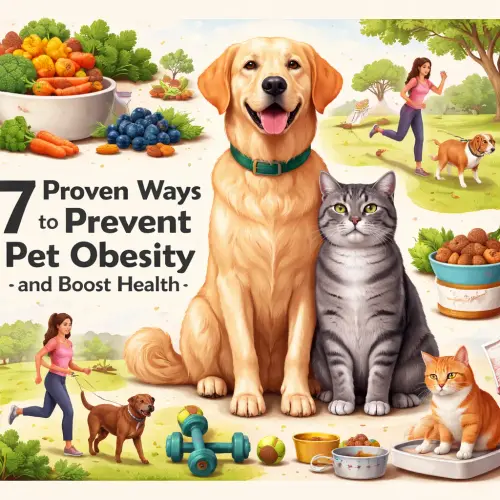
Why prevent pet obesity Matters for Every Pet Owner
More than half of dogs and cats in the United States are classified as overweight or obese, according to the Association for Pet Obesity Prevention. Excess weight isn’t just a cosmetic concern — it directly impacts your pet’s energy, joint health, and lifespan. When you prevent pet obesity, you help your furry companion avoid painful conditions like osteoarthritis, breathing difficulties, and a shortened life expectancy. The good news is that with a few intentional habits, you can keep your pet lean, active, and thriving for years to come. For a related guide, see 7 Proven Reasons Preventive Care Saves Your Pet’s Life.
The Hidden Costs of Extra Pounds
Carrying even 10 to 20 percent more body weight than ideal can raise the risk of chronic disease. Overweight pets often show less interest in play, struggle to groom themselves, and may develop skin infections in skin folds. By addressing weight early, you save money on future vet bills and give your pet a happier, more comfortable life.
1. Measure Every Meal to Control Calories
One of the simplest ways to prevent pet obesity is to stop free-feeding and start measuring your pet’s food with a standard measuring cup or a kitchen scale. Many pet owners overestimate portion sizes, adding hundreds of extra calories per day. For a related guide, see 10 Proven Ways to Keep Your Dog Healthy and Happy.
Use a Feeding Guide That Fits Your Pet
Start with the manufacturer’s feeding guidelines on the bag, but adjust based on your pet’s age, activity level, and body condition. For example, a 10-pound indoor cat may need only half the amount recommended for an active outdoor cat. Weigh the food using a digital scale for the most accuracy, especially for small-breed dogs and cats.
Tips for Accurate Portions
- Check the calorie content per cup or can — it varies widely between brands.
- Use a dedicated measuring cup that you don’t swap between different kibble types.
- Split daily portions into two or three small meals to support metabolism and prevent begging.
2. Limit Treats and Table Scraps
Treats are a major contributor to weight gain because they are calorie-dense and often unaccounted for. To prevent pet obesity, make treats no more than 10 percent of your pet’s daily calorie intake. One small dog biscuit can contain as many calories as a whole cup of regular kibble.
Healthier Alternatives to Traditional Treats
Swap processed dog treats for fresh vegetables like baby carrots, green beans, cucumber slices, or small pieces of apple (without seeds). For cats, offer freeze-dried meat treats or a tiny amount of plain cooked chicken. These options are lower in calories and provide beneficial nutrients.
Break the Begging Cycle
If your pet begs for food between meals, try redirecting with a quick training session, a puzzle toy, or a short walk. Consistency is key: once you stop giving in to begging, the behavior decreases within a week or two.
3. Increase Daily Exercise Gradually
Regular physical activity burns calories, builds muscle, and improves your pet’s metabolism. To prevent pet obesity, aim for at least 30 minutes of moderate exercise per day for most dogs, and at least two 10- to 15-minute active play sessions for cats.
Fun Ways to Get Your Dog Moving
- Add a second daily walk — even 15 extra minutes matters.
- Incorporate fetch, tug-of-war, or a flirt pole in the yard.
- Try dog sports like agility, nose work, or basic obedience for mental and physical stimulation.
Engage Your Cat Without Leaving the House
Cats are natural hunters. Use wand toys, laser pointers (never shine in the eyes), and treat-dispensing puzzle feeders to mimic stalking and pouncing. Even five minutes of active play twice a day helps prevent pet obesity in indoor cats.
4. Monitor Body Condition Score (BCS) Regularly
Weight alone doesn’t tell the full story. The Body Condition Score (BCS) is a 1-to-9 scale that assesses fat coverage over the ribs, spine, and waist. A BCS of 4 or 5 is ideal for most dogs and cats.
How to Perform a Quick BCS Check at Home
- Run your hands along your pet’s ribs — you should feel them easily with a thin layer of fat covering, like the back of your hand.
- Look from above — a visible waist behind the ribs is a good sign.
- Feel the base of the tail — there should be minimal fat padding around the tailbone.
If you can’t feel the ribs easily or there is no waist, it’s time to adjust diet and exercise. Check your pet’s BCS every two weeks to track progress.
| BCS Score | Description | Action Needed |
|---|---|---|
| 4–5 | Ideal weight, ribs easily felt, visible waist | Maintain current routine |
| 6–7 | Overweight, ribs hard to feel, waist less visible | Reduce food by 10–15% and increase exercise |
| 8–9 | Obese, heavy fat covering, no waist, abdomen sagging | Consult veterinarian for a structured weight-loss plan |
5. Choose a High-Quality, Low-Calorie Diet
The type of food you feed plays a huge role in pet weight management. Many commercial kibbles are high in carbohydrates and fillers that contribute to weight gain. When you prevent pet obesity, you need a diet rich in lean protein and moderate in healthy fats.
Look for “Weight Management” or “Light” Formulas
Reputable brands offer food specifically formulated for weight control, with fewer calories per cup and higher fiber to keep pets full. Check the ingredient list — meat or fish should be the first ingredient, and whole grains or vegetables should follow.
Consider Wet Food for Satiety
Wet food has higher moisture content and fewer calories per gram than dry kibble. Replacing a portion of your pet’s dry food with wet food can help them feel fuller on fewer calories. Always transition gradually over one week to avoid digestive upset.
6. Schedule Regular Veterinary Weight Checks
Your veterinarian is your best ally in the fight against pet obesity. They can identify underlying health issues (like hypothyroidism or Cushing’s disease) that contribute to weight gain and help you set a safe target weight and calorie goal.
Create a Weight Log
Weigh your pet at the vet every three to six months, and keep a simple log in a notebook or on your phone. A steady upward trend of even half a pound per month in a small dog or cat is cause for concern. Early intervention makes it much easier to prevent pet obesity before it becomes a serious problem.
Ask About Prescription Diets
For pets that struggle to lose weight on over-the-counter food, your vet may recommend a therapeutic weight-loss diet. These diets are formulated to maximize nutrient density while minimizing calories, and they often include added L-carnitine to support fat metabolism.
7. Adjust Feeding and Activity for Life Stage
A puppy or kitten needs more calories for growth than an adult pet. After spaying or neutering, your pet’s resting metabolic rate decreases by about 20 to 30 percent. To prevent pet obesity, adjust food portions and exercise routines whenever your pet transitions to a new life stage.
Senior Pet Considerations
Older pets are less active and often have slower metabolisms. Switch to a senior diet with fewer calories and added joint-supporting nutrients like glucosamine and omega-3 fatty acids. Keep exercise gentle but consistent — short walks, swimming, or low-impact play help maintain muscle mass and joint flexibility without putting stress on aging joints.
Useful Resources
For more detailed guidance on pet weight management, explore these trusted sources:
- Association for Pet Obesity Prevention — Annual survey data, body condition scoring charts, and practical tips from veterinary experts.
- VCA Animal Hospitals — Obesity in Dogs — Comprehensive medical overview covering causes, health risks, and treatment options.
Frequently Asked Questions About prevent pet obesity
How can I tell if my cat or dog is overweight?
Feel your pet’s ribs with the flat of your hand. If you cannot feel them easily, or if there is no visible waist when looking from above, your pet is likely overweight. A Body Condition Score (BCS) of 7 or higher indicates obesity.
What is the quickest way to prevent pet obesity ?
The fastest and most effective step is to eliminate free-feeding and start measuring every portion of food. Pair this with a daily exercise routine and you will see results within two to four weeks.
How many calories should my dog eat per day?
An average adult dog needs roughly 20 to 30 calories per pound of body weight per day, but this varies by breed, age, and activity level. Use the feeding guidelines on the food packaging and adjust based on your pet’s BCS.
Can I use human food to help my pet lose weight?
Yes, but only certain safe, low-calorie options. Green beans, carrots, cucumbers, and plain cooked chicken (without skin or seasoning) are excellent. Avoid grapes, raisins, onions, garlic, and anything high in salt or sugar.
What are the health risks of pet obesity ?
Obesity increases the risk of osteoarthritis, type 2 diabetes, high blood pressure, heart disease, respiratory problems, kidney disease, and certain cancers. It also reduces your pet’s lifespan by up to two and a half years.
Does spaying or neutering cause weight gain?
Spaying or neutering lowers metabolic rate and can increase appetite, but it does not directly cause obesity. You can easily prevent pet obesity after surgery by reducing daily food by about 25% and increasing exercise.
How often should I weigh my pet?
Weigh your dog or cat every two weeks at home using a baby scale or at the vet clinic. Keeping a log helps you catch gradual weight gain early before it becomes a more serious problem.
Are some dog breeds more prone to obesity?
Yes. Breeds like Labrador Retrievers, Beagles, Dachshunds, Cocker Spaniels, and Pugs have a genetic predisposition to weight gain. Owners of these breeds must be especially vigilant with diet and exercise.
Can cats become obese from dry food alone?
Yes, dry kibble is often high in carbohydrates and low in moisture, which can lead to overeating and weight gain. Combining wet food with measured dry food is a better approach to prevent pet obesity in cats.
What is a healthy treat alternative for cats?
Freeze-dried chicken or fish, small pieces of plain cooked shrimp, or a tiny dollop of plain pumpkin purée (not pie filling) are low-calorie options most cats love. Always keep treats under 10% of daily calories.
Is it okay to skip meals to help my pet lose weight?
No, skipping meals can cause metabolic stress and lead to binge eating. Instead, reduce portion sizes gradually and switch to a lower-calorie food. Split daily portions into smaller, more frequent meals.
How much exercise does a cat need to stay lean?
Indoor cats benefit from at least two 10- to 15-minute active play sessions per day. Interactive toys like wand feathers and treat balls encourage natural hunting behavior and burn calories.
Can I use a slow feeder to prevent pet obesity ?
Absolutely. Slow feeders and puzzle bowls extend eating time, allowing your pet’s brain to register fullness before they finish the bowl. This helps control portion intake and reduces the urge to beg for more.
Should I exercise my dog before or after meals?
Wait at least 30 to 60 minutes after a meal before vigorous exercise to reduce the risk of bloat and digestive discomfort. Light walks before meals are fine, but avoid intense play right after eating.
What is the ideal body condition for a senior pet?
Senior pets should maintain a BCS of 4 to 5. A slight lean is preferable to being overweight, as excess weight puts extra strain on aging joints and organs. Adjust their diet to lower-calorie senior formulas.
Can pet obesity be reversed in older animals?
Yes, with a consistent and gradual weight-loss plan, even older pets can shed excess pounds safely. Work closely with your vet to create a calorie-controlled diet and low-impact exercise routine that protects joint health.
Are prescription weight-loss diets safe for long-term use?
Many are designed for long-term weight maintenance once the target weight is reached. Some provide balanced nutrition with added fiber and L-carnitine. Always follow your vet’s recommendation for duration and portion size.
How do I deal with a pet that acts hungry all the time?
Feed smaller, more frequent meals; use high-fiber, lower-calorie foods; and provide mental stimulation through puzzle toys and training. Constant hunger can also signal a medical issue like diabetes — consult your vet.
Does breed affect how much I should feed my dog?
Yes. Large and giant breeds have different metabolic rates and growth patterns than small breeds. Always use breed-specific feeding guidelines from your veterinarian or a trusted breed association.
What is the single most important habit to prevent pet obesity ?
Measuring your pet’s food and treats with accuracy — every single time. Without portion control, all other efforts lose effectiveness. Combine this with daily weigh-ins and regular vet checkups for the best results.