



reasons your cat stopped eating Key Takeaways
Watching your feline companion refuse food is distressing, but understanding the root cause is the first step toward a solution.
- reasons your cat stopped eating range from dental pain and nausea to environmental stress and underlying diseases like kidney or gastrointestinal issues.
- Paying close attention to other symptoms, such as vomiting, hiding, or changes in litter box habits, helps narrow down the problem.
- Prompt veterinary guidance is essential—cats that go more than 24 hours without eating risk a serious condition called hepatic lipidosis.
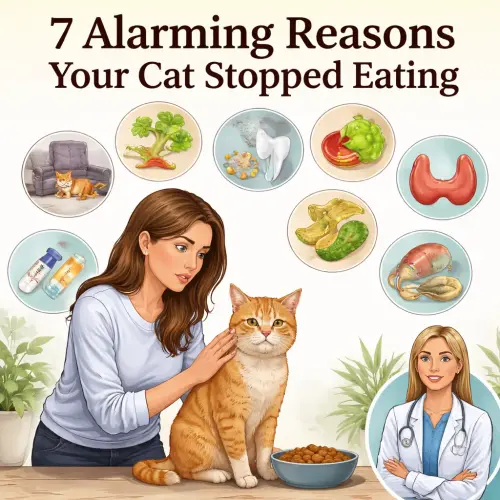
Understanding the reasons your cat stopped eating
When an otherwise healthy cat suddenly turns away from its bowl, many pet owners feel helpless. Hunger refusal isn’t a single illness—it’s a symptom. Whether it’s a mild upset stomach or a chronic disease, the key is to observe, act quickly, and involve your veterinarian. Below, we break down seven specific scenarios that can cause a cat to lose interest in food, along with practical, vet-approved advice.
1. Dental Disease and Oral Pain
Why Oral Health Affects Appetite
Tooth resorption, gingivitis, and stomatitis make chewing painful. Cats may approach the bowl, smell the food, and then walk away because the act of eating hurts. This is one of the most common reasons your cat stopped eating that owners overlook, especially in cats older than five years.
What You Can Do
Look for signs like drooling, pawing at the mouth, or bad breath. A veterinary dental exam under anesthesia may be necessary. In the meantime, offer soft canned food or a meat-based puree to encourage gentle eating, but do not delay a proper diagnosis.
2. Nausea and Gastrointestinal Upset
When the Stomach Says No
Cats often refuse food when they feel queasy. Vomiting, diarrhea, or simply a reduced appetite can stem from dietary indiscretion, a sudden food change, or a mild infection. However, persistent nausea may point to pancreatitis or inflammatory bowel disease.
Practical Advice
If your cat has eaten something unusual or if you introduced a new brand of kibble, switch back to the old diet for a few days. If symptoms continue—especially if your cat is lethargic—a veterinarian should evaluate for pancreatitis, bacterial overgrowth, or parasites. Anti-nausea medications can help restore interest in food quickly.
3. Evironmental Stress and Anxiety
Cats Are Creatures of Habit
Moving furniture, bringing home a new baby or pet, construction noise, or even a stray cat outside the window can unsettle a sensitive cat. Stress is a frequent contributor when your cat won’t eat without any obvious physical illness.
What to Try at Home
Create a safe, quiet feeding station away from noisy appliances or heavy foot traffic. Use food puzzles or interactive feeders to make mealtime engaging. Calming pheromone diffusers may also help. If the stressor is temporary, appetite often returns within a day or two. If it persists for longer, talk with your vet about behavioral support.
4. Kidney Disease and Systemic Illness
An Underlying Silent Condition
Chronic kidney disease is one of the most serious reasons your cat stopped eating, especially in senior cats. As kidney function declines, toxins build up in the bloodstream, causing nausea, lethargy, and a metallic taste that kills appetite.
Signs to Watch For
Increased thirst and urination, weight loss, bad breath, and a dull coat often accompany reduced eating. Your vet can diagnose with a blood test and urinalysis. Treatment includes a kidney-friendly diet, fluid therapy, and medications to control nausea. Early detection significantly improves quality of life.
5. Feline Upper Respiratory Infections
When a Cold Ruins the Scent of Food
Cats rely heavily on their sense of smell. A virus or bacterial infection can cause nasal congestion, eye discharge, and a reduced ability to detect food aromas. This is often temporary but can be alarming when your cat stops eating for two days or more.
Helpful Steps
Warm the food in the microwave for a few seconds to enhance its scent. Offer strongly smelling options like sardine-packed fish (in water, not oil) or a veterinary recovery diet. Ensure your cat stays hydrated. If the appetite does not return within 48 hours, a vet visit is needed because cats with respiratory infections can develop secondary issues like pneumonia. For a related guide, see 8 Common Dog Diseases: Essential Warning Signs Every Owner.
6. Medication Side Effects
Unexpected Appetite Suppression
Certain drugs, including antibiotics, pain relievers, and some flea or parasite treatments, can cause transient nausea or a metallic taste that puts a cat off food. This is a common yet often unrecognized factor in reasons your cat won’t eat while undergoing treatment.
What to Discuss with Your Vet
Never stop a prescribed medication without consulting your veterinarian. Instead, ask if there is a palatable liquid alternative, a flavored chew, or a pill that can be compounded. Sometimes giving the medication immediately after a small meal helps. If appetite loss continues for more than two doses, a different class of drug may be needed.
7. Picky Eating and Food Aversions
When a Feline Gets Stubborn
Some cats develop strong preferences for specific textures, brands, or flavors. If you change the protein source—from chicken to fish, or from pâté to chunks—a finicky cat may refuse the new food outright. This is especially common after a prolonged feeding of the same diet.
Solutions Without Encouraging Pickiness
Gradual transitions over seven to ten days are crucial. Mix small amounts of the new food with the old one, increasing the ratio slowly. Avoid offering multiple new choices in one day, as that can confuse the cat. If your cat is otherwise healthy and not losing weight, a 24-hour hunger strike while transitioning is generally low risk, but always monitor closely.
When to See a Veterinarian
A cat who stops eating for more than 24 hours is at risk of hepatic lipidosis (fatty liver disease), a dangerous condition that can be fatal without intervention. If your cat hasn’t eaten for an entire day, shows other symptoms like vomiting, diarrhea, or lethargy, or has a history of kidney or liver disease, contact your vet immediately. The longer you wait, the harder it becomes to reverse the underlying issue.
Useful Resources
For more detailed guidance on feline appetite loss, the Cat Health Guide offers an excellent breakdown of emergency signs and home management tips. The Cornell Feline Health Center provides authoritative, research-based information on the medical causes of anorexia in cats.
Frequently Asked Questions About reasons your cat stopped eating
How long can a cat go without eating before it’s dangerous?
Cats should not go longer than 24 hours without food. After that, the risk of hepatic lipidosis increases significantly.
Should I force-feed my cat when it stops eating?
No. Force-feeding can cause aspiration and further stress. Instead, consult your veterinarian for syringe-feeding guidance or appetite stimulants.
Can a change in cat food cause appetite loss?
Yes. Sudden diet changes are a common cause of temporary hunger refusal. Transition foods over 7 to 10 days.
What human foods can I offer a cat that isn’t eating?
Plain boiled chicken (no skin, no seasoning), plain cooked white rice, or baby food with no onion or garlic can entice eating temporarily. Always prioritize balanced cat food.
Does stress affect a cat’s appetite?
Absolutely. Cats are sensitive to environmental changes. A new pet, moving, or even rearranging furniture can trigger stress-induced hunger strikes.
What are the first signs of kidney disease in a cat?
Increased thirst and urination, weight loss, reduced appetite, and a dull hair coat are classic early signs. A veterinarian should perform blood work for confirmation. For a related guide, see 8 Signs of a Healthy Pet: Essential Checklist for Owners.
Can a cat with dental pain still eat wet food?
Many cats can manage wet food, but if the gum inflammation is severe, even soft food may be painful. Look for signs of pain like pawing at the mouth.
Is it normal for older cats to eat less?
While some decrease in appetite is common with aging, a sudden refusal to eat is not normal and should be investigated by a veterinarian.
Why does my cat sniff the food and walk away?
This behavior often points to nausea, dental pain, or a food aversion. If it happens repeatedly, consider a vet exam.
Can a cat refuse food because of worms?
Internal parasites can cause gastrointestinal discomfort, nausea, and reduced appetite. A fecal test can identify the problem, and deworming typically resolves it.
What is hepatic lipidosis in cats?
It’s a severe liver condition caused by rapid fat mobilization when a cat stops eating for more than 24-48 hours. It’s life-threatening and requires prompt veterinary treatment.
Are certain cat breeds more prone to appetite loss?
While any breed can lose appetite, Siamese and other highly social breeds may be more sensitive to stress-related hunger strikes. Underlying diseases are not breed-specific.
Can a cat stop eating because of a urinary blockage?
Yes. A blocked urethra is a medical emergency that can cause extreme pain and systemic illness, leading to complete food refusal along with vocalization and straining.
Should I bring my cat to the vet if it skips one meal?
If your cat regularly eats well and only skips one meal, it’s usually not an emergency. But if the behavior repeats or other symptoms appear, schedule a visit.
Can a cat’s food bowl cause appetite loss?
Yes. Whisker fatigue—when a cat’s whiskers touch the sides of a deep bowl—can discourage eating. Use shallow, wide bowls instead.
What is the best way to warm up cat food?
Place the food pouch or can in warm water for 2–3 minutes or microwave for 10 seconds, stirring well to avoid hot spots.
Does a cat’s seasonal appetite change occur?
Some cats eat less in summer heat, but they should still consume enough to maintain weight. If they refuse food for more than a day, it’s not seasonal.
Can a cat stop eating because of pancreatitis?
Pancreatitis causes severe nausea and abdominal pain, leading to complete anorexia. Diagnosis is via a blood test (feline pancreatic lipase), and treatment involves supportive care.
How do I encourage a cat with a respiratory infection to eat?
Offer smelly, warm foods like tuna or sardine juice, and keep their nose clear with a humidifier or saline drops (under vet guidance).
When should I be concerned about my cat’s eating habits?
Be concerned if your cat skips more than two consecutive meals, loses weight, vomits, is lethargic, or has had a known health condition. Prompt vet evaluation is the safest step.