



signs your cat is happy Key Takeaways
If your cat looks at you and slowly closes and opens their eyes, they are giving you a feline “I love you.
- Subtle body language cues — like tail position and ear orientation — are among the most reliable happy cat signs .
- Vocalizations such as purring and chirping can indicate happiness, but context matters: a cat may also purr when anxious or in pain.
- Observing daily routines — eating well, grooming, playing, and sleeping in relaxed positions — gives you a complete picture of your cat’s emotional well-being.
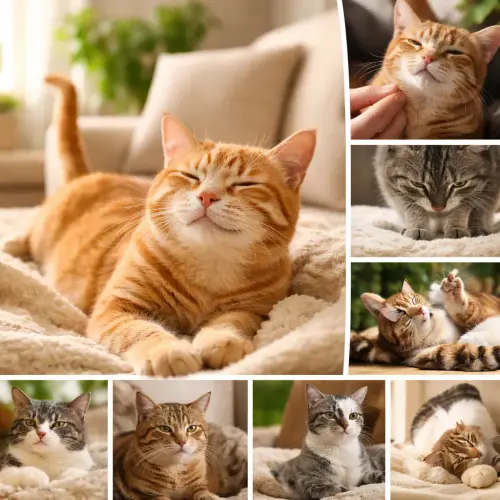
Why Recognizing Signs Your Cat Is Happy Matters
Cats are masters of disguise. In the wild, showing weakness or vulnerability can be dangerous, so your feline friend has evolved to hide discomfort. That’s why learning to spot happy cat signs is so important — it helps you catch early signs of stress or illness before they become serious.
A happy cat is more likely to be healthy, playful, and affectionate. By paying attention to the cues below, you can adjust your home environment, play routines, and even your own behavior to keep your cat feeling secure and joyful. For a related guide, see 10 Essential Pet Care Tips Every Owner Must Know for a.
The 8 Proven Signs Your Cat Is Happy
Below are eight of the most trustworthy indicators that your cat is feeling good. Remember, every cat is an individual, so look for a combination of these behaviors over time rather than relying on a single sign.
1. Slow Blinking — The “Cat Kiss”
If your cat looks at you and slowly closes and opens their eyes, they are giving you a feline “I love you.” This slow blink is a sign of trust and relaxation. Try returning the gesture — it can deepen your connection.
Actionable tip: When your cat slow-blinks at you, blink back slowly and softly. Speak in a calm voice afterward to reinforce the positive interaction.
2. A Tail That Stands Tall — The Happy Flag
A tail held high with a slight curve at the tip is one of the clearest happy cat signs. It signals confidence, friendliness, and a willingness to interact. When your cat greets you with a raised tail, they are saying hello and inviting connection. For a related guide, see 12 Things Your Pet Wishes You Knew: Essential Insights for.
Actionable tip: If your cat approaches with a raised tail, offer a gentle chin scratch or a soft word. This reinforces their positive greeting.
3. Purring — But Only in the Right Context
Purring often means contentment, but cats also purr when they are nervous, injured, or in pain — possibly as a self-soothing mechanism. Context is everything. If your cat is purring while kneading, relaxed, and in a familiar environment, that is a genuine sign your cat is happy.
Actionable tip: Pay attention to your cat’s whole body when they purr. Are their ears forward? Whiskers relaxed? If yes, you can be confident they are happy.
4. Kneading — Reliving Kitten Comfort
Kneading — pushing their paws in and out against a soft surface — is a behavior kittens use to stimulate milk flow from their mother. Adult cats continue this when they feel safe and content. It’s a strong indicator of trust and relaxation.
Actionable tip: Place a soft blanket on your lap to give your cat a comfortable kneading surface. Never punish this behavior — it’s a compliment.
5. Playful Behavior and Zoomies
A happy cat is an active cat. Sudden bursts of energy — often called “zoomies” — are normal and healthy, especially in kittens and young adults. Chasing toys, pouncing, and batting at objects all indicate your cat is feeling good and has their needs met.
Actionable tip: Provide at least 10–15 minutes of interactive play every day using wand toys, laser pointers, or balls. Play mimics hunting and fulfills your cat’s natural instincts.
6. Relaxed Sleeping Positions
A cat that sleeps on their back, belly exposed, or in a loose, stretched-out position feels completely safe. In the wild, a vulnerable sleeping posture would be dangerous. If your cat naps like this around you, they trust you implicitly.
Actionable tip: Create cozy, elevated sleeping spots — like cat trees or window perches — to give your cat a sense of security and options for rest.
7. Grooming — Self and Social
A well-groomed coat is a sign of health and contentment. Cats that groom themselves regularly are free from pain or stress. Mutual grooming — when your cat licks your hand or another pet — is a bonding behavior and a clear happy cat sign.
Actionable tip: Brush your cat daily to support their grooming routine and strengthen your bond. Many cats find brushing soothing and pleasurable.
8. Rubbing and Head-Butting (Bunting)
When your cat rubs their face, chin, or head against you, they are depositing scent glands to mark you as “their territory.” This is a sign of affection and ownership — they consider you part of their family. Head-butting, or bunting, is an especially strong confidence signal.
Actionable tip: Respond by offering your hand for a chin or cheek rub. Avoid touching their belly or tail unless they invite it — let your cat lead the interaction.
How to Create an Environment That Fosters Happiness
Understanding these signs your cat is happy is just the first step. To encourage lasting contentment, you need a supportive living space. Here are a few strategies to help your cat thrive.
Provide Vertical Space
Cats feel safer when they can climb and observe from high perches. Install cat shelves, a tall cat tree, or a window perch so your cat can survey their domain. Vertical territory reduces stress and gives them a sense of control.
Offer Enrichment and Variety
Rotate toys every week to keep things interesting. Provide puzzle feeders, treat-dispensing balls, and cardboard boxes to explore. Even simple things like a paper bag or a sunbeam can bring a cat immense joy.
Maintain a Consistent Routine
Cats are creatures of habit. Feeding, playtime, and quiet time should happen at roughly the same times each day. Predictability helps reduce anxiety and makes your cat feel secure, which in turn makes happy cat signs more frequent.
When to Be Concerned — Signs of Stress vs. Happiness
It’s just as important to recognize signs of unhappiness or stress. If your cat exhibits any of the following, they may not be feeling their best:
- Hiding for long periods
- Loss of appetite or litter box avoidance
- Aggression (hissing, swatting, biting)
- Excessive grooming or bald patches
- Constant meowing or other vocal distress
If you notice any of these behaviors persisting, consult your veterinarian. Sometimes what looks like a sign your cat is happy — like purring — can actually indicate pain. Always look at the whole picture.
Useful Resources
For deeper reading on feline behavior and welfare, check out these reputable sources:
Paying attention to the signs your cat is happy is a simple yet powerful way to build trust and ensure your cat lives a full, joyful life. When you tune into their unique signals — from a slow blink to a playful pounce — you respond with love, and that makes all the difference. Your cat may not say it in words, but their quiet gestures speak volumes.
Frequently Asked Questions About signs your cat is happy
What are the most reliable signs your cat is happy ?
The most reliable signs include slow blinking, a raised tail with a curved tip, kneading, relaxed sleeping positions, and a willingness to play. Look for a combination of these behaviors over time.
Can a cat purr when they are not happy?
Yes. Cats sometimes purr when they are anxious, in pain, or giving birth. Always consider the context: a purring cat with relaxed ears and a soft body is likely happy, while a purring cat hiding or tense may be stressed.
How can I tell if my cat is happy by their tail?
A tail held straight up with a slight curve at the tip signals confidence and friendliness. A tail that is puffed up or tucked between the legs indicates fear or stress.
Do happy cats always play?
Not necessarily. Senior cats or those with health issues may play less but still be content. However, a sudden drop in playfulness could indicate a problem, so monitor changes in activity level.
What does it mean when my cat kneads on me?
Kneading is a leftover behavior from kittenhood, when kittens knead their mother to stimulate milk flow. Adult cats knead when they feel safe, comfortable, and content — it is a strong sign of affection.
Is slow blinking a sign of happiness?
Yes, slow blinking is often called a “cat kiss” and indicates trust and relaxation. It is a voluntary gesture that shows your cat feels safe in your presence.
How can I tell if my cat is happy living indoors?
Indoor cats can be very happy if they have enrichment, vertical space, and regular play. Signs like grooming, good appetite, relaxed sleeping, and interactive play indicate contentment.
Do cats show happiness by following you around?
Yes, many cats follow their owners out of affection and curiosity. If your cat follows you from room to room, they likely enjoy your company and feel secure.
What does it mean when my cat shows their belly?
Showing the belly is a sign of trust, but not always an invitation for belly rubs. Many cats will roll over to show they feel safe, but they may still guard their belly defensively.
How do I know if my cat is happy in a multi-pet household?
Look for peaceful cohabitation — mutual grooming, playing together, or comfortable proximity. Frequent hiding, hissing, or avoiding other pets suggests stress.
Can a cat be happy without a lot of toys?
Yes, as long as they have environmental enrichment such as window views, climbing opportunities, and interactive time with you. Simple objects like cardboard boxes or a sunbeam can bring joy.
What are the vocal signs of a happy cat?
Happy cats often chirp, trill, or meow in a soft, melodic tone. Loud, persistent meowing or yowling can indicate distress or a medical issue.
Is head-butting always a sign of happiness?
Head-butting (bunting) is a way for cats to mark you with scent glands in their cheeks. It is almost always a sign of affection and trust, so yes, it indicates happiness.
How can I tell if my new cat is settling in and happy?
Give them time — days to weeks. Once they start eating, using the litter box, exploring, and seeking interaction, they are likely adjusting well. Purring and kneading are good signs.
Does a happy cat always eat well?
A happy cat usually maintains a healthy appetite. However, stress, illness, or dental pain can cause a loss of appetite even in an otherwise content cat. Monitor changes.
What does it mean when my cat sleeps curled up in a ball?
Curling up conserves body heat and can mean your cat is comfortable but not fully relaxed. A stretched-out or belly-up sleeping position indicates deeper relaxation and trust.
Can a cat be happy even if they don’t like to be picked up?
Absolutely. Each cat has unique preferences. Many happy cats prefer to stay on their own terms — they may sit near you, follow you, or sleep on your lap without wanting to be held.
How can I tell if my senior cat is happy?
Senior cats may be less active, so look for comfort signs — good grooming, purring, social rubbing, eating well, and using the litter box easily. Provide soft beds and low-entry boxes.
Do cats get lonely?
Yes, some cats can feel lonely, especially if left alone for long periods. Consider adopting a companion cat if your cat shows signs of distress when you are away, or provide interactive toys.
What are the top 3 things I can do to make my cat happier today?
First, engage in a 10-minute interactive play session. Second, offer a high perching spot or window view. Third, give them a slow blink and a calm, gentle scratch — your attention is one of the best gifts you can give.