



signs your cat is stressed Key Takeaways
Cats are masters at hiding discomfort, but recognizing the early signs your cat is stressed can prevent long-term health issues.
- Common signs your cat is stressed include hiding more than usual, overgrooming, and changes in appetite.
- Environmental enrichment and consistent routines can reduce cat anxiety symptoms significantly.
- If you notice multiple warning signs, consulting a veterinarian helps rule out underlying medical causes.
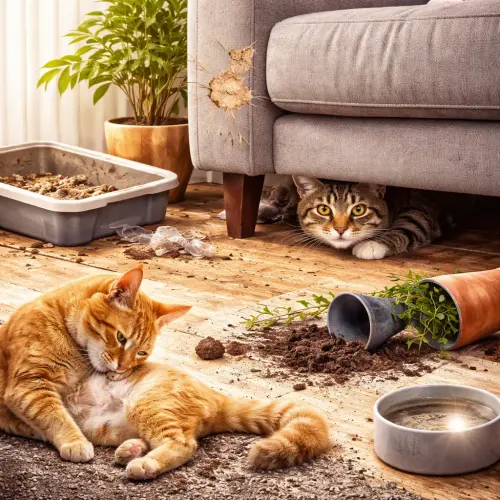
Why Recognizing Signs Your Cat Is Stressed Matters for Their Health
Cats are creatures of habit, and even small disruptions to their environment can trigger anxiety. When a cat feels stressed, their body releases cortisol, which over time can weaken the immune system, cause digestive upset, and lead to behavioral problems. By learning to how to tell if your cat is stressed, you can intervene early and improve their quality of life. For a related guide, see 8 Proven Signs Your Dog Has Anxiety: Essential Owner Guide.
Many cat owners mistake stress behaviors for normal quirks. A cat that suddenly stops using the litter box may not be spiteful — they could be feeling threatened. Understanding the difference between a temporary mood and chronic anxiety is key to providing the right support.
8 Common Cat Stress Signs You Should Watch For
Below are eight clear indicators that your feline friend may be struggling with stress. Each sign includes an explanation of why it happens and practical steps you can take to help.
1. Excessive Hiding or Withdrawal
If your cat spends most of the day under the bed, inside a closet, or behind furniture, this is a major sign your cat is stressed. Hiding is a natural coping mechanism when a cat feels unsafe or overwhelmed by changes like a new pet, moving homes, or loud construction noise.
How to help: Provide safe hiding spots like covered cat beds or cardboard boxes placed in quiet areas. Avoid forcing your cat out; let them come to you. Gradually introduce comforting pheromone diffusers to create a calming atmosphere.
2. Overgrooming or Bald Patches
When a cat licks themselves obsessively to the point of hair loss or skin irritation, it often points to anxiety. Overgrooming releases endorphins that temporarily soothe stress, but it can lead to infections and hot spots.
How to help: Rule out allergies or parasites with a vet visit first. If stress is the cause, increase playtime and offer interactive toys. Some cats benefit from anxiety wraps or supplements recommended by a veterinarian.
3. Changes in Appetite (Eating Less or More)
A stressed cat may lose interest in food or, conversely, start eating more as a comfort behavior. Sudden weight loss or gain accompanies both extremes. This is one of the most overlooked cat stress signs because owners often attribute it to picky eating or aging.
How to help: Maintain consistent feeding times and offer a quiet, safe space for meals. If appetite changes last more than 48 hours, consult your vet to exclude medical issues.
4. Inappropriate Urination or Defecation
Urinating outside the litter box is one of the most frustrating cat anxiety symptoms for owners, but it’s rarely done out of spite. Stress can cause a cat to associate their litter box with fear, especially if they’ve been startled while using it or if another animal bullies them there.
How to help: Ensure you have one litter box per cat plus one extra. Keep boxes in low-traffic areas, clean them daily, and use unscented litter. Adding a calming diffuser near the box can reduce tension.
5. Aggression Toward People or Other Pets
A normally gentle cat that hisses, swats, or bites may be acting out due to stress. Fear-based aggression often stems from feeling trapped or threatened by a new family member, another animal, or loud noises. This is a serious sign your cat is stressed that requires careful management.
How to help: Never punish aggression — it worsens fear. Identify and remove the stressor if possible. Use positive reinforcement with treats when your cat remains calm. In multi-pet households, separate resources like food bowls and beds.
6. Excessive Vocalization (Yowling or Meowing)
While some breeds are naturally talkative, a sudden increase in yowling or persistent meowing can indicate distress. Cats may vocalize to signal pain, fear, or frustration. This is often paired with pacing or restlessness, making it a clear cat anxiety symptom.
How to help: First, rule out pain or cognitive decline in senior cats with a vet check. Then, create a predictable daily schedule for feeding, play, and quiet time. Provide puzzle feeders to mentally engage your cat and reduce boredom-related yowling.
7. Scratching Furniture or Walls Excessively
Scratching is normal for cats, but destructive scratching on furniture, doors, or walls often signals stress. Cats leave visual marks and scent from glands in their paws as a way to claim territory when they feel insecure. This is a common sign your cat is stressed in multi-cat households or after a move.
How to help: Provide sturdy scratching posts near the damaged areas. Use catnip or silver vine to attract your cat to appropriate surfaces. If scratching is severe, soft nail caps or temporary furniture covers can protect your home while you address the root cause.
8. Changes in Sleep Patterns (Sleeping Too Much or Too Little)
Cats sleep an average of 12–16 hours daily, but a stressed cat may either sleep excessively as an escape or sleep very little due to hypervigilance. You might notice your cat sleeping in unusual positions or locations, like on top of furniture rather than in their usual cozy spot.
How to help: Maintain a consistent routine, as predictability reduces anxiety. Provide cozy, elevated resting spots where your cat can observe the room safely. If sleep changes persist, a veterinary exam can rule out underlying illness.
Expert-Backed Tips to Reduce Cat Stress Signs at Home
Beyond addressing each specific symptom, you can create an environment that minimizes stress overall. Start by offering vertical space — cat trees, shelves, or window perches let your cat escape to safe heights. Consistency is also key: feed, play, and clean at the same times daily. Finally, consider using feline pheromone sprays or diffusers, which studies show can reduce cortisol levels in anxious cats. The American Association of Feline Practitioners recommends these products as a first-line behavioral support tool.
| Stress Sign | Typical Cause | Quick Action |
|---|---|---|
| Excessive hiding | Feeling unsafe or overwhelmed | Provide dark, quiet safe spots |
| Overgrooming | Anxiety-induced comfort behavior | Rule out allergies; increase play |
| Appetite changes | Stress or medical condition | Consistent feeding schedule; vet check |
| Inappropriate urination | Litter box aversion or fear | Add an extra box; use calming diffuser |
| Aggression | Fear or territorial conflict | Remove stressor; separate resources |
| Excessive vocalization | Pain, fear, or boredom | Vet exam; puzzle feeders |
| Destructive scratching | Insecurity or territory marking | Provide scratching posts; use catnip |
| Sleep pattern changes | Hypervigilance or escape behavior | Maintain routine; offer elevated perches |
When to See a Veterinarian About Cat Anxiety Symptoms
If your cat displays multiple signs your cat is stressed for more than two weeks, or if any symptom is severe (such as complete loss of appetite, self-mutilation from overgrooming, or aggression that endangers people or other pets), schedule a veterinary appointment. A veterinarian can perform blood work to rule out hyperthyroidism, kidney disease, or pain that may mimic stress. They can also prescribe anti-anxiety medication or refer you to a certified feline behaviorist for advanced support. For a related guide, see 12 Warning Signs Your Pet Needs Immediate Vet Attention Now.
Remember that chronic stress weakens a cat’s immune system and can lead to conditions like feline idiopathic cystitis (FLUTD) or chronic upper respiratory infections. Early intervention is always better than waiting for symptoms to escalate.
Useful Resources
For more in-depth guidance on feline stress and behavior, explore these trusted sources:
- American Association of Feline Practitioners – Expert advice on cat behavior and stress reduction techniques.
- VCA Animal Hospitals – Comprehensive articles on feline anxiety and environmental enrichment.
Frequently Asked Questions About signs your cat is stressed
Can a change in diet cause cat stress signs ?
Yes, sudden diet changes can cause digestive upset and anxiety in some cats. Always transition food gradually over 7–10 days to minimize stress.
How long do cat stress signs last?
Acute stress signs usually resolve within a few days after the stressor is removed. Chronic stress can last weeks or months and may require behavioral intervention or medication.
Is hiding always a sign your cat is stressed ?
No. Cats also hide when they are sick, tired, or simply want privacy. But if hiding is paired with other signs like appetite loss or aggression, it likely indicates stress.
Can stress cause a cat to stop using the litter box?
Absolutely. Stress is one of the most common reasons for inappropriate elimination. Cats may avoid the box if they feel threatened or if the environment has changed.
Do cat anxiety symptoms include vomiting?
Yes, some cats vomit when stressed, especially if they are also overgrooming or eating too quickly. However, frequent vomiting should always be checked by a vet.
Can I use essential oils to calm my stressed cat?
No. Many essential oils are toxic to cats and can worsen stress or cause serious health issues. Use pet-safe pheromone products instead.
What is the best way to how to tell if your cat is stressed ?
Look for a combination of behavioral changes: hiding, overgrooming, litter box avoidance, and altered appetite. A single sign may not indicate stress, but multiple signs together are a strong clue.
Can stress cause a cat to become aggressive?
Yes. Fear and territorial stress are common triggers for aggression. A stressed cat may hiss, swat, or bite if they feel cornered or threatened.
Does playing with my cat reduce cat stress signs ?
Yes. Regular interactive play mimics hunting behavior and releases endorphins, which lowers cortisol and reduces anxiety. Aim for at least 15 minutes twice a day.
Can a new pet in the house cause signs your cat is stressed ?
Yes, introducing a new animal is a major stressor for many cats. Provide separate resources and use gradual, supervised introductions over several weeks.
What are the first cat stress signs to appear?
Hiding and changes in appetite are often the first visible signs. Owners may also notice their cat becoming more clingy or more distant than usual.
Can stress cause my cat to lose fur?
Yes. Overgrooming due to stress leads to thinning fur, bald patches, and sometimes skin sores. It is a classic cat anxiety symptom that requires veterinary attention.
Is it normal for a cat to sleep more when stressed?
Yes. Excess sleep can be an escape mechanism for stressed cats. If your cat sleeps much more than usual and shows other symptoms, stress may be the cause.
Can a cat’s stress level be measured?
Veterinarians can measure cortisol levels in blood or urine, but behavioral observation remains the most practical way to assess stress at home.
Does moving homes always cause cat stress signs ?
Most cats experience some stress during a move, though individual reactions vary. Signs usually subside within a few weeks if the new home is cat-proofed and enriched.
Can stress make a cat urinate blood?
Stress is a known trigger for feline idiopathic cystitis, which can cause blood in urine. This condition requires immediate veterinary diagnosis and treatment.
What should I do if my cat stops eating due to stress?
Consult a vet if your cat skips more than one meal. In the meantime, offer highly palatable food like warm wet food or plain cooked chicken to encourage eating.
Can music help calm a stressed cat?
Yes, studies show that classical music and specially composed cat-calming music can lower stress markers in cats. Keep the volume low and play it during stressful events.
Are there breeds more prone to cat anxiety symptoms ?
While any cat can become stressed, breeds like Siamese, Bengal, and Sphynx are often more sensitive to environmental changes and may show anxiety more readily.
When should I consider medication for my cat’s stress?
Medication is appropriate when stress signs are severe, persistent, or causing harm to the cat or household. A veterinary behaviorist can guide the safest treatment plan.