



signs your pet is having trouble breathing Key Takeaways
Recognizing the early signs your pet is having trouble breathing can mean the difference between a simple office visit and an emergency.
- Key insight 1: The signs your pet is having trouble breathing often start subtly—like changes in sleeping posture or a slightly louder purr—and escalate quickly.
- Key insight 2: Labored breathing, blue gums, and open-mouth breathing in cats are red flags that require immediate veterinary attention.
- Key insight 3: Knowing your pet’s normal resting respiratory rate helps you spot trouble earlier and can save valuable time in an emergency.
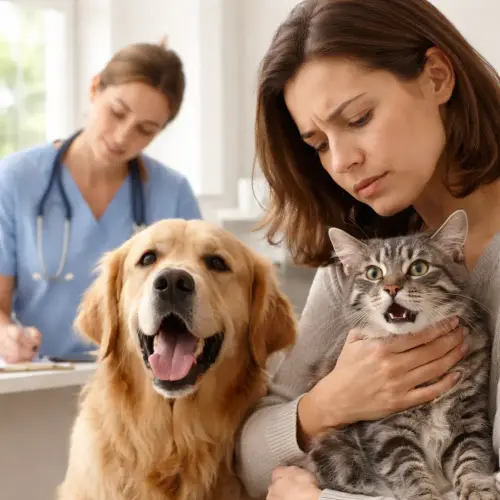
Why Recognizing Signs Your Pet Has Trouble Breathing Matters
Breathing is something most pet owners take for granted—until it changes. Dogs and cats instinctively hide weakness, and respiratory distress is no exception. By the time you notice obvious difficulty breathing in pets, the condition may already be advanced. Understanding the subtle pet breathing trouble signs listed here can help you act quickly and confidently. For a related guide, see 7 Early Signs of Serious Disease in Pets: Don’t Ignore These.
11 Signs Your Pet Is Having Trouble Breathing You Should Never Ignore
Below are the most common warning signals, organized by how they may appear in your dog or cat. Each sign includes a brief explanation and guidance on what to do next.
1. Labored or Forceful Breathing
If your pet’s chest or belly moves more than usual with each breath, or if you see a pronounced “heave” in the flank area, this is a clear pet breathing trouble sign. Normal breathing in dogs and cats is nearly effortless and barely visible. Labored breathing often indicates fluid in the lungs, airway obstruction, or heart disease.
2. Open-Mouth Breathing in Cats
Cats are obligate nasal breathers—they rarely breathe through their mouth unless in serious distress. An open-mouthed cat, especially one that is not panting from heat or exertion, is experiencing one of the most urgent signs your pet is having trouble breathing. Immediate veterinary evaluation is required.
3. Excessive Panting in Dogs
While panting is normal for dogs after exercise or in warm weather, excessive panting at rest or during cool conditions can signal pain, anxiety, or respiratory compromise. When panting is accompanied by a wide, anxious expression or restless behavior, difficulty breathing in pets should be suspected. For a related guide, see 8 Warning Signs of Heatstroke in Pets Every Owner Must Know.
4. Blue or Pale Gums
Gums should be bubblegum pink. Blue, purple, or pale gray gums indicate cyanosis—a lack of oxygen in the blood. This is a medical emergency and one of the most serious pet breathing trouble signs. If you see this, transport your pet to the nearest emergency vet immediately. For a related guide, see 8 Symptoms You Should Never Ignore: Expert Warning Signs.
5. Noisy Breathing (Wheezing, Stridor, Snoring)
Wheezing suggests narrowed airways, while a high-pitched sound called stridor often points to an obstruction in the throat or larynx. Even new or louder snoring can be a sign your pet is having trouble breathing, especially in brachycephalic breeds like Bulldogs, Pugs, and Persians.
6. Extended Neck or Elbows (Tripod Stance)
A pet that sits or stands with its neck stretched out, elbows pointing away from the body, and head held low is trying to open its airway. This classic “tripod” posture is a strong indicator of difficulty breathing in pets and should be checked by a veterinarian promptly.
7. Restlessness and Inability to Settle
Pets struggling to breathe often cannot lie down comfortably. They may pace, repeatedly change positions, or refuse to sleep. This restlessness is driven by a feeling of suffocation. If your pet cannot settle, consider it one of the subtler pet breathing trouble signs.
8. Coughing (Especially at Night)
A persistent cough, particularly one that worsens when your pet is lying down, may indicate fluid in the lungs from heart disease or pneumonia. Coughing itself is not always a respiratory emergency, but when combined with any other signs your pet is having trouble breathing, it warrants a vet visit.
9. Nostril Flaring
Widening of the nostrils with each breath is a visible effort to get more air into the lungs. This is especially noticeable in cats and small dogs. Nostril flaring is a reliable pet breathing trouble sign that should not be dismissed as “just heavy breathing.”
10. Abdominal Breathing (Belly Moves More Than Chest)
Normally, the chest and abdomen rise together smoothly. When you see the belly heave more than the chest, your pet is using abdominal muscles to force air out—a classic sign of difficulty breathing in pets. This often accompanies lung or airway disease.
11. Change in Bark or Meow
A weak, hoarse, or muffled bark or meow can suggest laryngeal paralysis, vocal cord swelling, or an upper airway mass. While less common, a change in vocalization combined with other signs your pet is having trouble breathing should be evaluated.
When to See a Vet for Difficulty Breathing in Pets
Any of the signs above warrants a call to your veterinarian. However, immediate emergency veterinary care is needed if your pet exhibits any of the following:
- Blue or pale gums
- Collapse or loss of consciousness
- Open-mouth breathing in a cat
- Extreme restlessness or panic
- Inability to stand or walk
Do not wait to “see if it passes.” Pet breathing trouble signs can progress from mild to life-threatening within minutes. If you are ever unsure, it is better to make a trip to the vet than to risk a crisis at home.
Summary Checklist: Watch for These Pet Breathing Trouble Signs
| Sign | Action |
|---|---|
| Labored or forceful breathing | Call vet same day |
| Open-mouth breathing (cat) | Emergency vet immediately |
| Excessive panting at rest | Call vet same day |
| Blue/pale gums | Emergency vet immediately |
| Noisy breathing (wheezing/stridor) | Call vet same day |
| Extended neck/tripod posture | Call vet same day |
| Restlessness, unable to settle | Call vet same day |
| Coughing at night | Call vet within 24 hours |
| Nostril flaring | Call vet same day |
| Abdominal breathing | Call vet same day |
| Change in bark or meow | Call vet within 24 hours |
Useful Resources
For more in-depth information on recognizing and managing respiratory emergencies in pets, consult these trusted sources:
Frequently Asked Questions About signs your pet is having trouble breathing
What is the normal respiratory rate for a dog and cat?
A healthy dog at rest breathes 10–35 times per minute; a cat, 20–30. Count breaths when your pet is sleeping or calm to establish a baseline.
How can I tell if my pet is breathing too fast?
Count breaths for 30 seconds and multiply by two. If the rate is consistently above the normal range while at rest, consult your vet.
Can anxiety cause my pet to breathe heavily?
Yes, stress can lead to rapid or heavy breathing. However, if it continues after the stressor is gone, or if other signs are present, medical causes should be ruled out.
What does it mean if my dog is panting at night?
Nighttime panting may indicate pain, anxiety, respiratory difficulty, or a condition like Cushing’s disease. If it persists, a vet visit is wise.
Why does my cat breathe with its mouth open?
Open-mouth breathing in cats is almost always a medical emergency, often caused by severe respiratory distress, heart failure, or a blocked airway.
What should I do if my pet stops breathing?
Begin pet CPR immediately and have someone call the nearest emergency vet. If you are alone, perform CPR for 2 minutes, then drive while continuing care if possible.
Is snoring a sign of breathing trouble?
Occasional snoring is often normal, especially in flat-faced breeds. A sudden change in snoring pattern or volume may indicate an airway issue.
Can allergies cause breathing problems in pets?
Yes, severe allergic reactions can cause airway swelling and wheezing. If your pet develops hives, facial swelling, or noisy breathing after exposure to a potential allergen, seek emergency care.
What is the difference between labored breathing and tachypnea?
Tachypnea means rapid breathing; labored breathing means increased effort. Both are serious, but labored breathing is more concerning for a true emergency.
How do vets diagnose the cause of breathing difficulty?
Vets use physical exam, chest X-rays, bloodwork, pulse oximetry, and sometimes ultrasound or CT scans to determine the underlying cause.
Can heart disease cause breathing problems in pets?
Yes, heart disease—especially congestive heart failure—can lead to fluid buildup in the lungs, causing coughing and difficulty breathing.
What are the first signs of pneumonia in dogs and cats?
Early signs include a moist cough, lethargy, fever, and rapid or labored breathing. Prompt veterinary treatment is essential.
Should I give my pet oxygen at home?
Only if directed by a veterinarian. Improper oxygen delivery can be ineffective or harmful. Most pets with breathing trouble need in-hospital care.
Can obesity cause breathing problems in pets?
Yes, excess weight restricts diaphragm movement and can worsen respiratory conditions. Weight loss often improves breathing in overweight pets.
What is laryngeal paralysis in dogs?
Laryngeal paralysis is a condition where the larynx fails to open properly during breathing, leading to noisy, difficult breathing. It is seen most often in older large-breed dogs.
How can I help my pet breathe better at home?
Keep your pet calm and in a cool, well-ventilated area. Avoid collars around the throat. Never give human medications without vet approval, as some can be toxic.
Are brachycephalic breeds more prone to breathing issues?
Yes, flat-faced breeds like Bulldogs, Pugs, French Bulldogs, and Persian cats often have narrowed airways, making them more susceptible to respiratory distress.
Can a foreign object cause breathing trouble in pets?
Absolutely. Toys, bones, or food can become lodged in the throat or windpipe, causing sudden choking, gagging, and difficulty breathing. This is an emergency.
What does reverse sneezing look like?
Reverse sneezing sounds like a goose honk and involves rapid, forceful inhalation. It is usually harmless but can be confused with choking or breathing trouble.
How do I measure my pet’s respiratory rate at home?
Watch your pet’s chest rise and fall while they are asleep or calmly resting. Count each rise-and-fall cycle for 30 seconds, then multiply by 2 to get breaths per minute.